
Autism Communication: Understanding and Support
Communication represents one of the most vital human experiences, yet for individuals on the autism spectrum, it can present unique challenges and require different approaches. Understanding autism communication is essential for creating inclusive environments where everyone can express themselves, connect with others, and thrive. As we move forward in 2026, awareness continues to grow about the diverse ways autistic individuals communicate and the importance of supporting their needs.
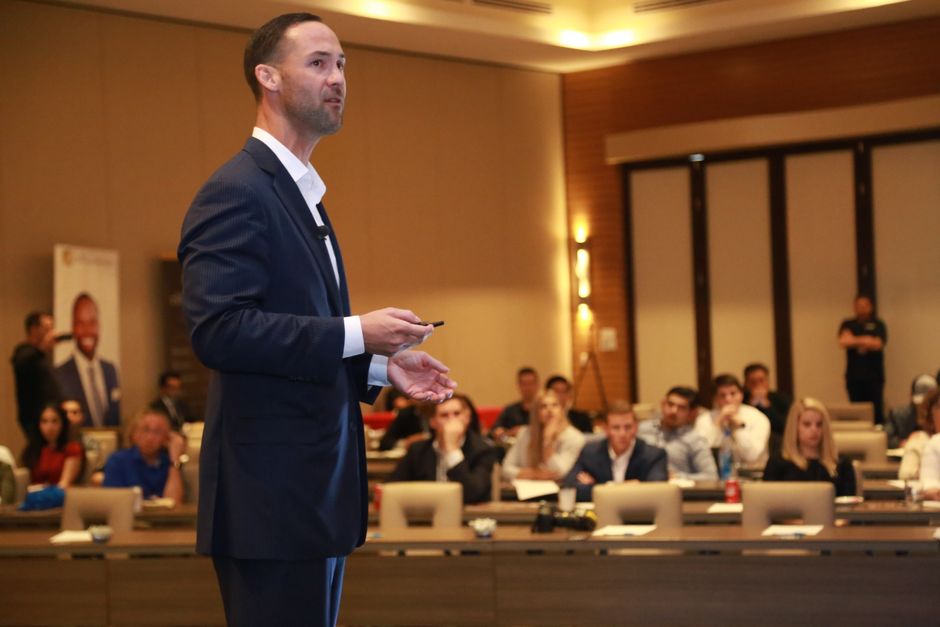
Louis Scarantino, a motivational speaker and autism advocate, works tirelessly to educate audiences about autism through his lived experiences. His mission focuses on challenging misconceptions and promoting acceptance for individuals on the autism spectrum through speaking engagements and published works. This comprehensive guide explores the multifaceted nature of autism communication, offering insights that can benefit individuals, families, educators, and organizations committed to supporting autistic individuals.
The Spectrum of Communication in Autism
Autism affects communication in varied ways, and no two autistic individuals communicate exactly alike. Some people on the spectrum are non-verbal or minimally verbal, while others speak fluently but may struggle with social nuances. Many autistic individuals excel in written communication but find face-to-face interactions challenging. Others might communicate through alternative methods such as sign language, picture exchange systems, or assistive technology devices.

Understanding that autism exists on a spectrum means recognizing that communication abilities and challenges also exist on a continuum. Some autistic individuals may process language differently, taking longer to formulate responses or preferring time to think before speaking. Others might experience echolalia, repeating words or phrases they hear, which can serve various communicative purposes including self-regulation, processing information, or expressing emotions.
Sensory processing differences can significantly impact communication. Overwhelming environments with loud noises, bright lights, or strong smells can make it difficult for autistic individuals to focus on conversation. Creating sensory-friendly spaces and being mindful of environmental factors can dramatically improve communication opportunities.
Verbal Communication Strategies
For autistic individuals who communicate verbally, several strategies can enhance successful interactions. Using clear, concrete language rather than abstract concepts or figurative speech helps prevent misunderstandings. Many autistic people interpret language literally, so phrases like “break a leg” or “it’s raining cats and dogs” can cause genuine confusion.

Direct communication is often appreciated. Instead of hinting or using subtle social cues, stating exactly what you mean creates clarity. For example, rather than saying “It’s getting late,” you might say “I need to leave in ten minutes.” This directness eliminates the need to interpret hidden meanings, reducing anxiety and improving mutual understanding.
Allowing processing time is crucial. After asking a question or making a statement, pause and give the person time to formulate their response. Rushing or interrupting can disrupt their thought process and make communication more difficult. Patience demonstrates respect and creates a more comfortable communication environment.
Visual supports can complement verbal communication effectively. Written schedules, checklists, or visual aids help reinforce verbal information and provide reference points. Many autistic individuals are visual thinkers who benefit from seeing information in addition to hearing it.
Non-Verbal and Alternative Communication
Non-verbal communication encompasses a rich array of methods that enable expression without spoken words. For non-speaking autistic individuals, augmentative and alternative communication (AAC) devices and systems provide vital means of expression. These range from low-tech options like picture boards to high-tech speech-generating devices and tablet applications.
Sign language serves as another powerful communication tool. While American Sign Language is a complete language with its own grammar and syntax, some families develop personalized sign systems that work for their specific needs. The key is finding what works best for each individual.
Body language and behavior are forms of communication that deserve attention and respect. When an autistic person withdraws, covers their ears, or exhibits certain repetitive behaviors (stimming), they are communicating their internal state. Recognizing these signals as communication rather than dismissing them as “behaviors to be corrected” shows respect for the person’s experience.
Written communication often provides comfort and clarity for many autistic individuals. Email, text messaging, or written notes allow time for processing and crafting responses without the pressure of immediate verbal interaction. This can lead to deeper, more meaningful exchanges.
Supporting Communication Development
Supporting communication development for autistic individuals requires patience, flexibility, and individualized approaches. Early intervention services can help identify communication challenges and develop strategies tailored to each person’s strengths and needs. Speech-language pathologists specializing in autism can provide valuable guidance and therapy.
Creating a communication-friendly environment involves minimizing distractions and providing a calm, predictable setting. Establishing routines helps autistic individuals know what to expect, reducing anxiety that can interfere with communication. Consistency in approach across different settings—home, school, work—reinforces learning and skill development.
Practicing social communication in low-stress situations builds confidence. Role-playing scenarios, using social stories, or watching videos that break down social interactions can help autistic individuals understand expectations and practice responses. The goal is not to force conformity but to provide tools that enable greater connection and independence.
Respecting communication preferences is paramount. If someone communicates best through writing, honor that preference rather than insisting on verbal communication. If someone uses an AAC device, address them directly rather than speaking through a companion or caregiver. Presuming competence—believing that autistic individuals understand and have important things to communicate—creates an environment where communication can flourish.
Communication in Different Life Settings
In educational environments, teachers and administrators can support autistic students by implementing communication strategies school-wide. Providing clear instructions, offering multiple ways to demonstrate knowledge, and allowing breaks when students become overwhelmed all support better communication and learning outcomes. Professional development for educators on autism communication benefits the entire school community.
Workplace accommodations for autistic employees might include written instructions for tasks, regular check-ins through preferred communication methods, and flexibility regarding meeting formats. Some autistic individuals thrive in positions that leverage their communication strengths, such as technical writing, programming, or research roles that emphasize written communication.
In healthcare settings, medical professionals should recognize that autistic patients may communicate differently about pain, symptoms, or concerns. Maintaining physical health requires effective communication between patients and providers, making it essential that healthcare workers understand autism communication needs. Offering patient intake forms in advance, allowing extra appointment time, and accepting alternative communication methods all improve care.
Social relationships benefit when friends and family members learn about autism communication. Understanding that an autistic loved one isn’t being rude by avoiding eye contact or needing time alone strengthens relationships. Celebrating differences rather than trying to eliminate them creates authentic connections built on mutual respect.
Breaking Down Barriers and Building Understanding
Societal barriers to autism communication often stem from misconceptions and lack of awareness. Education and understanding of neurodiversity help break down these barriers. Autism advocates like Louis Scarantino work to shift perspectives, helping people recognize that different communication styles are valid and valuable.
Promoting acceptance means moving beyond simple awareness toward actively accommodating and celebrating different communication styles. Organizations can conduct training sessions, implement universal design principles that benefit everyone, and create cultures that value diverse perspectives and methods of expression.
Technology continues to evolve, offering new communication tools and possibilities. Speech-generating apps, video modeling programs, and virtual reality social skills training provide innovative ways to support autism communication. However, technology should supplement, not replace, human connection and individualized support.
Self-advocacy skills empower autistic individuals to communicate their needs and preferences effectively. Teaching self-advocacy from an early age—helping autistic individuals understand their communication style, know their rights, and express their needs—promotes independence and self-determination throughout life. Rest and stress management also play important roles, as adequate sleep and reduced stress levels can significantly improve communication abilities.
Conclusion
Understanding autism communication requires recognizing diversity, practicing patience, and committing to ongoing learning. Every autistic individual has a unique communication profile with distinct strengths and challenges. By implementing supportive strategies, creating accommodating environments, and promoting acceptance, we enable autistic individuals to connect meaningfully with others and participate fully in all aspects of life.
Through the advocacy work of speakers like Louis Scarantino, awareness grows and attitudes shift. His lived experiences and dedication to education help audiences understand that autism communication differences are not deficits but variations that deserve respect and support. Whether you are a family member, educator, employer, or community member, your efforts to understand and accommodate autism communication needs make a tangible difference in someone’s life.
As we continue building more inclusive communities in 2026 and beyond, let us commit to listening in all the ways people communicate, presuming competence, and creating spaces where every voice—however it expresses itself—is heard and valued. For those looking for an inspiring voice, consider an autism motivational speaker who can bridge gaps in understanding.