
Inclusive Workplace Strategies for Neurodiversity
Creating a truly inclusive workplace means recognizing and embracing the full spectrum of human neurological differences. Neurodiversity encompasses autism, ADHD, dyslexia, and other neurological variations that bring unique strengths to the workplace. When organizations implement thoughtful strategies to support neurodiverse employees, they tap into exceptional talents while fostering a culture of acceptance and innovation.
As we move forward in 2026, the business case for neurodiversity inclusion has never been stronger. Companies that prioritize neuroinclusive practices report higher innovation rates, improved problem-solving capabilities, and enhanced employee satisfaction across all levels of their organization.
Understanding Neurodiversity in the Workplace
Neurodiversity refers to the natural variation in how human brains function and process information. Rather than viewing conditions like autism, ADHD, or dyslexia as deficits, the neurodiversity movement recognizes these differences as valuable variations of human cognition. In the workplace, neurodiverse individuals often possess exceptional abilities in areas such as pattern recognition, attention to detail, creative thinking, and systematic analysis.

However, traditional workplace environments and hiring practices often fail to accommodate different cognitive styles, inadvertently excluding talented individuals. The challenge lies not in changing neurodiverse employees to fit standard workplace molds, but in adapting workplace practices to harness diverse cognitive strengths effectively.
Misconceptions about neurodiversity persist in many organizations, limiting opportunities for both employers and employees. Some managers assume that neurodiverse individuals cannot work independently or handle complex tasks, when research consistently shows that with proper support, these employees often outperform their neurotypical counterparts in specific areas of expertise. You can learn more about how to challenge misconceptions about disability to foster a more inclusive environment.
Building Neuroinclusive Recruitment and Hiring Practices
Traditional hiring processes often inadvertently screen out qualified neurodiverse candidates through practices that favor specific communication styles or social interactions. Organizations committed to neurodiversity must reimagine their recruitment strategies to identify talent beyond conventional interview formats.
Skill-based assessments and work samples provide more accurate measures of capability than traditional interviews alone. Many successful companies now offer multiple pathways for demonstrating competency, including portfolio reviews, practical problem-solving exercises, and extended trial periods that allow candidates to showcase their abilities in real work environments.
Job descriptions should clearly outline essential functions versus preferred qualifications, avoiding unnecessarily restrictive requirements that don’t directly relate to job performance. For example, requiring “excellent communication skills” for a data analysis role may exclude highly qualified candidates who excel at written communication but struggle with verbal presentations.
Partnering with organizations that specialize in neurodiverse talent placement can significantly expand your candidate pool. These partnerships often provide additional support during the transition period, increasing the likelihood of successful long-term employment relationships.
Creating Supportive Work Environments and Accommodations
Workplace accommodations for neurodiverse employees often benefit the entire workforce while addressing specific needs. Simple environmental modifications can dramatically improve productivity and comfort for neurodiverse individuals without requiring significant investment.

Sensory considerations play a crucial role in creating inclusive environments. Providing quiet workspaces, noise-canceling headphones, adjustable lighting, and designated break areas helps employees manage sensory sensitivities. Open office plans, while popular, can be particularly challenging for individuals with autism or ADHD who may struggle with constant background noise and visual distractions. This is just one example of breaking down stereotypes about autism and understanding the genuine needs of neurodiverse individuals.
Flexible scheduling arrangements accommodate different energy patterns and focus periods that vary among neurodiverse individuals. Some employees perform best during non-traditional hours or benefit from compressed work weeks that allow for longer periods of deep focus. Remote work options can also eliminate commuting stress and environmental barriers that may impede performance.
Clear, written communication protocols help ensure that expectations and instructions are understood consistently. Providing agendas in advance, offering multiple communication channels, and establishing structured feedback processes creates predictability that supports success for many neurodiverse employees.
According to the U.S. Department of Labor, reasonable accommodations for employees with disabilities often cost less than $500 and provide significant returns on investment through improved productivity and retention.
Developing Effective Management and Communication Strategies
Managing neurodiverse teams requires understanding different communication preferences and work styles. Direct, specific feedback helps neurodiverse employees understand expectations and performance standards. Avoiding ambiguous language or implied meanings prevents misunderstandings that can affect job performance and workplace relationships.
Regular check-ins and structured feedback sessions provide opportunities to address challenges before they become significant problems. These conversations should focus on specific behaviors and outcomes rather than personality traits or social interactions that may not directly impact work quality.
Strengths-based management approaches maximize the potential of neurodiverse employees by aligning tasks with individual capabilities and interests. This might involve restructuring job responsibilities to emphasize analytical tasks for detail-oriented individuals or creative projects for those with strong innovative thinking skills.
Training managers to recognize signs of stress or overwhelm helps prevent burnout and supports employee wellbeing. Understanding that neurodiverse individuals may express stress differently or require different recovery strategies enables more effective support and intervention when needed.
Peer support programs and mentorship opportunities create additional layers of assistance and integration within teams. Pairing neurodiverse employees with understanding colleagues can facilitate knowledge sharing and social connections that enhance job satisfaction and performance. This can also help in developing self-advocacy skills for autistic individuals and other neurodiverse employees.
Training and Education for All Employees
Organization-wide education about neurodiversity creates a foundation of understanding and acceptance that benefits everyone. Training programs should address common myths and misconceptions while highlighting the valuable contributions that neurodiverse individuals bring to teams and projects.
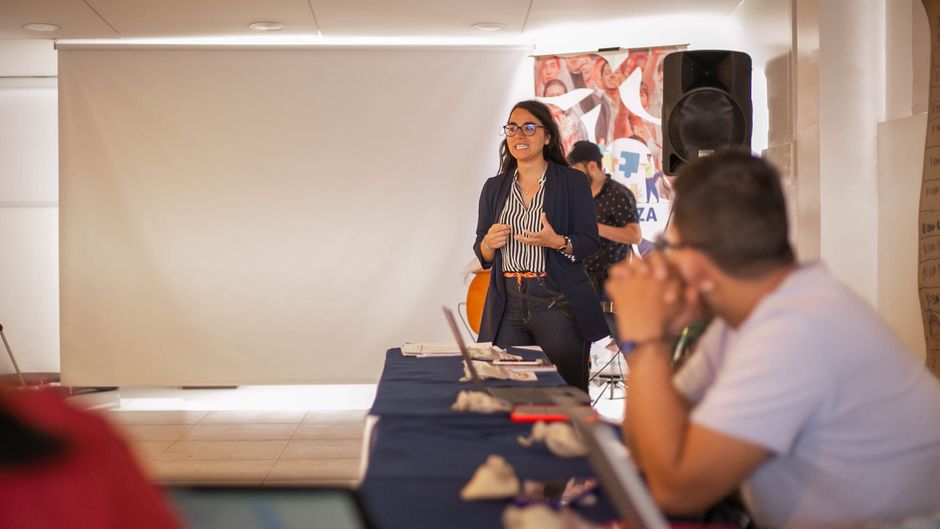
Interactive workshops and presentations by neurodiverse speakers, such as autism advocates and motivational speakers, provide authentic perspectives that resonate with employees at all levels. These personal accounts help build empathy and understanding while demonstrating the diverse ways that successful professionals navigate workplace challenges.
Bystander intervention training empowers all employees to recognize and address inappropriate comments or behaviors that may create hostile environments for neurodiverse colleagues. Creating a culture where everyone feels responsible for maintaining inclusivity strengthens the overall workplace atmosphere. This aligns with the broader goal of promoting acceptance and inclusion of disabled people in all environments.
Leadership commitment to neurodiversity inclusion must be visible and consistent. When executives and managers actively participate in training and model inclusive behaviors, it sends a powerful message about organizational values and expectations.
The Autism Society offers comprehensive resources and training materials that organizations can use to develop effective neurodiversity education programs tailored to their specific workplace contexts.
Measuring Success and Continuous Improvement
Successful neurodiversity initiatives require ongoing assessment and refinement based on employee feedback and measurable outcomes. Regular surveys and focus groups with neurodiverse employees provide insights into the effectiveness of current accommodations and identify areas for improvement.
Key performance indicators for neurodiversity inclusion might include retention rates, promotion rates, employee satisfaction scores, and productivity metrics for neurodiverse employees compared to overall workforce averages. These data points help organizations understand the impact of their inclusion efforts and make data-driven improvements.
Exit interviews with departing neurodiverse employees offer valuable information about barriers that may still exist within the organization. Understanding why talented individuals leave helps identify systemic issues that require attention.
Benchmarking against industry standards and best practices keeps organizations competitive in attracting and retaining neurodiverse talent. Many industries now recognize neurodiversity as a competitive advantage, making inclusive practices essential for talent acquisition and business success.
Partnership with external organizations and consultants can provide objective assessments of inclusion efforts and recommendations for enhancement. Third-party evaluations often identify blind spots that internal teams may miss.
The Society for Human Resource Management provides frameworks and tools for measuring the effectiveness of diversity and inclusion initiatives, including specific guidance for neurodiversity programs.
Conclusion
Implementing inclusive workplace strategies for neurodiversity represents both a moral imperative and a strategic business advantage. Organizations that embrace neurological differences create environments where all employees can thrive, leading to increased innovation, productivity, and employee engagement. Success requires commitment from leadership, comprehensive training for all staff, thoughtful accommodations, and ongoing assessment of progress. As we continue to understand the value that neurodiverse perspectives bring to problem-solving and creativity, companies that prioritize neuroinclusion will find themselves better positioned to compete in an increasingly complex business landscape. The journey toward true neurodiversity inclusion is ongoing, but the benefits for organizations, employees, and society as a whole make this effort both worthwhile and essential for building workplaces that truly serve everyone.