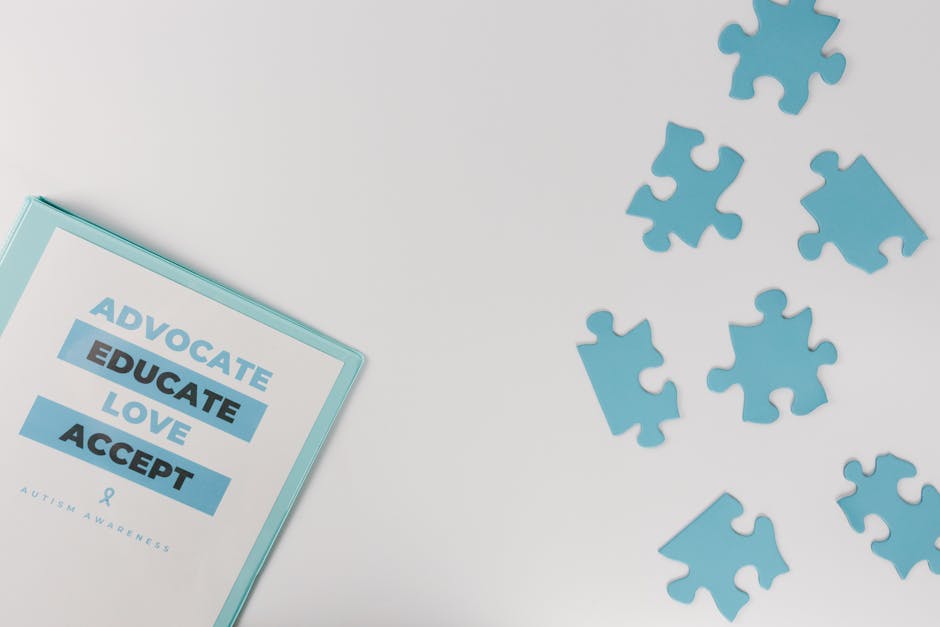
Promoting Acceptance and Inclusion of Disabled People
In 2026, the conversation around disability rights and inclusion has never been more critical. As society continues to evolve, we must recognize that promoting acceptance and inclusion of disabled people is not just a moral imperative—it’s essential for creating a truly equitable world. Through education, advocacy, and lived experiences, we can challenge misconceptions and build communities where everyone has the opportunity to thrive.
The journey toward meaningful inclusion requires understanding that disability is a natural part of human diversity. When we embrace this perspective, we move beyond viewing disability as something to be fixed or overcome, and instead focus on creating environments where all individuals can participate fully in society.
Understanding the Foundation of Acceptance
True acceptance begins with recognizing that disabled people are not defined solely by their disabilities. Each person brings unique strengths, perspectives, and contributions to their communities. This understanding forms the cornerstone of genuine inclusion efforts.
One of the most powerful ways to promote acceptance is through authentic representation and storytelling. When disabled people share their experiences—both challenges and triumphs—it humanizes disability and breaks down barriers of fear and misunderstanding. These personal narratives help others understand that disability is just one aspect of a person’s identity, not their entire story.
Education plays a crucial role in fostering acceptance. Many misconceptions about disability stem from lack of knowledge or exposure to inaccurate portrayals in media. By providing accurate information about different types of disabilities, their impacts, and the real experiences of disabled people, we can dispel myths and create more informed, empathetic communities.
The goal is not to inspire pity or admiration, but to promote understanding that disabled people are complete individuals with their own aspirations, talents, and contributions to make.
Creating Inclusive Environments in Education and Workplace
Educational institutions and workplaces serve as critical testing grounds for inclusion practices. In schools, inclusive education models demonstrate that when students with and without disabilities learn together, everyone benefits. Students develop empathy, understanding, and social skills that serve them throughout their lives.

Successful inclusion in educational settings requires more than physical accommodation. It demands universal design for learning approaches that consider diverse learning styles and needs from the outset. This might include providing multiple ways to access information, express knowledge, and engage with material.
In the workplace, inclusion goes beyond compliance with disability legislation. Forward-thinking organizations recognize that disabled employees bring valuable perspectives and problem-solving abilities. Creating inclusive workplaces involves:
- Implementing flexible accommodation processes
- Providing disability awareness training for all staff
- Ensuring physical and digital accessibility
- Fostering a culture where differences are valued
- Offering mentorship and career development opportunities
The Americans with Disabilities Act provides the legal framework for these efforts, but true inclusion requires going beyond minimum requirements to create genuinely welcoming environments.
The Role of Advocacy and Community Engagement
Advocacy serves as a powerful catalyst for social change and increased acceptance. Effective advocacy involves disabled people speaking for themselves about their experiences and needs, rather than having others speak on their behalf. This self-advocacy approach ensures that the voices and perspectives of disabled people remain central to discussions about their lives.

Community engagement initiatives can take many forms, from awareness campaigns to inclusive recreational programs. Local organizations, schools, and businesses can partner to create events that bring together people with and without disabilities in meaningful ways. These interactions help normalize disability and build relationships based on shared interests rather than differences.
Advocacy also involves challenging systemic barriers that prevent full participation. This might include pushing for better public transportation accessibility, advocating for inclusive housing policies, or working to ensure that digital platforms meet accessibility standards.
The disability rights movement has a rich history of grassroots activism that continues to drive progress. Organizations like Disability Rights Advocates work tirelessly to protect and advance the civil rights of disabled people through legal advocacy and policy reform.
Challenging Misconceptions Through Education and Awareness
Many barriers to inclusion stem from deeply ingrained misconceptions about disability. Common myths include the belief that disabled people are always suffering, that they cannot live independently, or that accommodating them is burdensome and expensive. These misconceptions persist partly because of limited representation and interaction between disabled and non-disabled people.
Educational programs that feature disabled speakers and presenters can effectively challenge these stereotypes. When audiences hear directly from disabled individuals about their lives, careers, relationships, and achievements, it shifts perceptions from pity or fear to respect and understanding.
Media representation also plays a crucial role in shaping public perceptions. Increasingly, television shows, movies, and books feature disabled characters portrayed by disabled actors and written by disabled creators. This authentic representation helps normalize disability and shows the full spectrum of disabled experiences.
Technology has opened new avenues for education and awareness. Social media platforms allow disabled people to share their stories directly with global audiences, creating communities and connections that were previously impossible. Online resources provide accessible information about different types of disabilities and inclusion best practices.
Building Supportive Communities and Networks
Strong communities form the backbone of successful inclusion efforts. These communities involve not just disabled people themselves, but their families, friends, allies, and broader society. Building these networks requires intentional effort to create spaces where relationships can develop naturally.
Support networks provide practical assistance, emotional support, and opportunities for social connection. They might include formal organizations, informal peer groups, online communities, or mentorship programs. These networks help disabled people navigate challenges while also providing platforms for celebrating achievements and milestones.
Family and friend networks play particularly important roles in promoting acceptance. When families embrace disability as part of their story rather than viewing it as a tragedy, they model acceptance for others. Friends and allies who stand up against discrimination and advocate for inclusion help create safer, more welcoming environments for everyone.
Professional networks and mentorship programs can help disabled people advance in their careers and access opportunities. These connections provide guidance, support, and advocacy within professional settings where barriers might otherwise limit advancement.
The United Nations Disability Inclusion Strategy provides a framework for building these supportive networks on a global scale, emphasizing the importance of partnerships and collaboration in advancing disability rights.
Moving Forward: Practical Steps for Lasting Change
Creating lasting change requires sustained commitment from individuals, organizations, and society as a whole. Everyone has a role to play in promoting acceptance and inclusion of disabled people.
For individuals, this might involve:
- Examining personal biases and assumptions about disability
- Learning about disability history and rights
- Supporting disabled-owned businesses and creators
- Speaking up against discrimination when witnessed
- Building genuine relationships with disabled people
For organizations, meaningful inclusion requires:
- Conducting accessibility audits of physical and digital spaces
- Implementing comprehensive diversity and inclusion policies
- Partnering with disability organizations for guidance and feedback
- Providing ongoing education and training for staff
- Measuring and reporting on inclusion efforts
Technology continues to play an increasingly important role in advancing inclusion. Assistive technologies help disabled people participate more fully in education, employment, and community life. Meanwhile, universal design principles ensure that new technologies are accessible from the start rather than requiring retrofitting.
Policy advocacy remains crucial for addressing systemic barriers. This includes pushing for stronger enforcement of existing disability rights laws, advocating for new protections, and ensuring that disabled people have a voice in policy decisions that affect their lives.
Conclusion
Promoting acceptance and inclusion of disabled people requires a multifaceted approach that combines education, advocacy, community building, and systematic change. As we move forward in 2026 and beyond, the goal is clear: creating a society where all people, regardless of disability status, can participate fully and contribute their unique talents and perspectives.
This transformation begins with recognizing that inclusion benefits everyone. When we create accessible environments, challenge misconceptions, and build supportive communities, we strengthen the fabric of society as a whole. The voices and experiences of disabled people must remain central to these efforts, ensuring that inclusion efforts are authentic and effective.
The journey toward true inclusion is ongoing, requiring sustained commitment from all members of society. By working together—disabled and non-disabled people alike—we can build communities where acceptance is the norm and everyone has the opportunity to thrive. The time for action is now, and the potential for positive change has never been greater.