
What Makes a Good Keynote Speaker
In an era where authentic voices and transformative messages carry unprecedented weight, the qualities that define a good keynote speaker have evolved dramatically. Whether addressing corporate audiences, educational institutions, or advocacy organizations, the most impactful speakers combine technical prowess with genuine human connection. Understanding these essential characteristics helps organizations select speakers who will truly resonate with their audiences and create lasting change.
Authenticity and Lived Experience
The foundation of exceptional keynote speaking lies in authenticity. Audiences today possess a refined ability to distinguish between speakers who recite borrowed stories and those who share genuine lived experiences. When a speaker draws from personal challenges, triumphs, and transformations, their message carries an unmistakable power that manufactured content cannot replicate.

Authentic speakers don’t merely tell stories—they embody their messages. This authenticity creates an immediate rapport with audiences because people recognize truth when they hear it. For instance, speakers who advocate for autism acceptance while living on the spectrum themselves bring invaluable insights that academic knowledge alone cannot provide. Their perspectives challenge misconceptions, dismantle stereotypes, and open pathways to genuine understanding.
The most compelling speakers embrace vulnerability as strength. They acknowledge struggles, failures, and ongoing challenges rather than presenting themselves as having all the answers. This honest approach humanizes the speaker and makes their achievements more relatable and inspiring to audiences facing their own obstacles.
The Ability to Connect and Inspire
Technical speaking skills matter, but the ability to forge emotional connections with diverse audiences distinguishes good speakers from great ones. Exceptional keynote speakers possess emotional intelligence that allows them to read the room, adjust their delivery in real-time, and speak to the unspoken needs of their listeners.

Connection begins before a speaker takes the stage. Understanding audience demographics, organizational challenges, and event objectives allows speakers to customize their message for maximum relevance. Generic presentations may inform, but tailored messages inspire action and create memorable experiences.
Inspiration emerges when speakers balance realism with hope. Audiences don’t need hollow positivity or sugar-coated messages—they need honest acknowledgment of challenges combined with practical pathways forward. Great speakers empower audiences by demonstrating that meaningful change is possible while respecting the complexity of real-world circumstances.
The most effective speakers also understand the importance of energy management. Just as proper rest and self-care are essential for optimal performance, speakers must calibrate their energy to sustain engagement throughout their presentation. This involves strategic pacing, vocal variety, and physical presence that maintains audience attention without exhaustion.
Educational Value and Actionable Insights
While inspiration matters, a good keynote speaker must also educate. Audiences increasingly expect to leave presentations with concrete knowledge and actionable strategies they can implement immediately. The most valued speakers balance emotional resonance with practical wisdom.
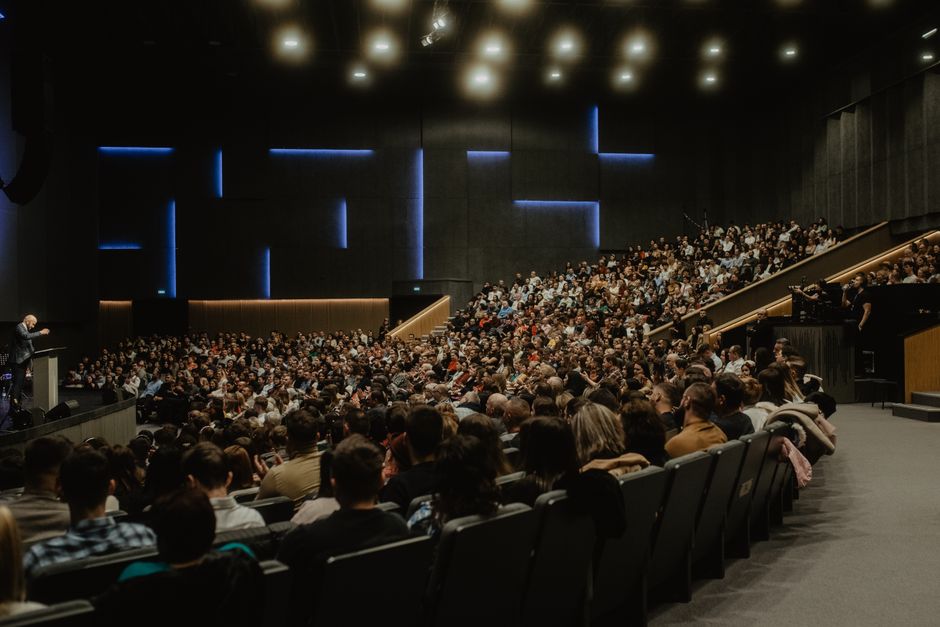
Educational content should be accessible without being simplistic. Exceptional speakers possess the rare ability to distill complex topics into digestible concepts that audiences at various knowledge levels can comprehend and apply. They avoid jargon when unnecessary but don’t shy away from substance.
Strong keynote speakers also cite credible sources and research when appropriate, demonstrating that their perspectives are informed by broader contexts. For example, when discussing overall wellness approaches, referencing established physical activity guidelines adds credibility to holistic messaging. This combination of personal experience and evidence-based information creates a compelling framework for understanding.
The educational component should extend beyond the presentation itself. Quality speakers often provide resources, recommended readings, or frameworks that audiences can reference long after the event concludes. This commitment to ongoing learning demonstrates that the speaker’s investment in their audience extends beyond a single performance.
Storytelling That Transforms
At the heart of memorable keynote presentations lies masterful storytelling. Humans are neurologically wired to process and remember information presented in narrative form. The best speakers understand story structure, using personal anecdotes and case studies that illustrate larger principles.
Effective storytelling involves specific sensory details that transport audiences into the narrative. Rather than stating that a situation was challenging, skilled speakers describe the moment—the physical sensations, the thoughts racing through their minds, the turning point that changed everything. This specificity makes abstract concepts tangible.
Great speakers also understand story arc. They don’t simply share random experiences; they craft narratives with clear beginnings, rising tensions, climactic moments, and resolutions that tie back to their core message. This structure satisfies audiences’ psychological need for coherence while making key points memorable.
Adaptability and Professional Polish
The speaking landscape has transformed dramatically, requiring speakers to master multiple formats and environments. Good keynote speakers demonstrate flexibility across virtual platforms, hybrid events, and traditional stage presentations. They understand how to maintain engagement regardless of technical constraints or audience configurations.
Professional polish extends beyond presentation skills to encompass reliability and preparedness. Exceptional speakers arrive early, test equipment, coordinate with event organizers, and anticipate potential challenges. They respect audience time by starting and ending punctually while delivering complete value within allocated timeframes.
Adaptability also means responding gracefully to unexpected situations—technical difficulties, schedule changes, or audience dynamics different from anticipated. The ability to maintain composure and adjust seamlessly demonstrates the experience and professionalism that organizations value.
This professional approach includes clear communication before, during, and after events. Quality speakers clarify expectations, provide necessary materials in advance, and follow up to ensure their contribution met organizational objectives. This level of service transforms a single presentation into a partnership.
A Mission Beyond the Stage
What ultimately distinguishes exceptional keynote speakers is purpose that transcends personal success. The most impactful speakers view their platform as a vehicle for broader change—whether challenging societal misconceptions, advancing important causes, or empowering marginalized voices.
Mission-driven speakers bring sustained commitment to their topics. They don’t simply deliver speeches for compensation; they actively contribute to their fields through advocacy, writing, community engagement, and ongoing education. This comprehensive approach establishes them as thought leaders rather than mere presenters.
For speakers focused on autism advocacy, for example, their mission extends to publishing books, engaging with organizations, and creating resources that promote acceptance and understanding. This multi-faceted approach amplifies their message and demonstrates authentic commitment to the communities they represent.
The concept of purpose-driven speaking aligns with broader understandings of human motivation and achievement. Just as historical figures who transformed societies were driven by conviction rather than convenience, contemporary speakers who effect real change are fueled by missions larger than themselves.
Conclusion: The Complete Speaker
What makes a good keynote speaker is ultimately a synthesis of authenticity, connection, education, storytelling, professionalism, and purpose. Technical skills can be developed, but the foundation must be genuine experience and sincere commitment to serving audiences. Organizations seeking speakers should prioritize these holistic qualities over superficial credentials or celebrity status.
The most valuable speakers challenge audiences to think differently, feel deeply, and act purposefully. They leave lasting impressions not through gimmicks or entertainment alone, but through messages that resonate with truth and possibility. Whether addressing autism advocacy, personal transformation, or organizational change, exceptional speakers empower audiences to envision and create better futures.
As the speaking landscape continues evolving, these core principles remain constant. Authenticity cannot be manufactured, connection cannot be scripted, and purpose cannot be faked. The speakers who embrace these truths—who speak from lived experience with genuine desire to inspire change—will continue to transform audiences, organizations, and communities for years to come.