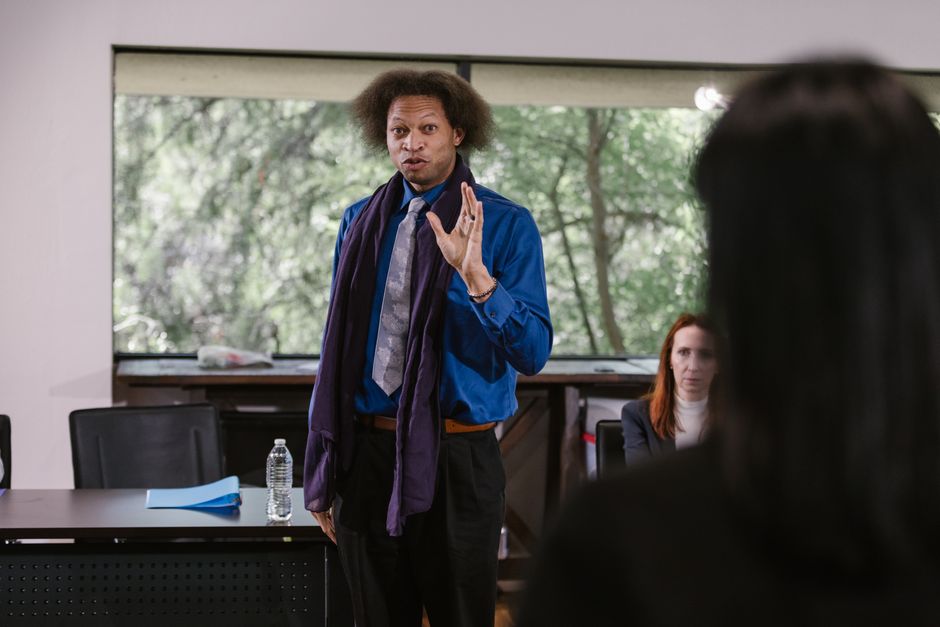
Autism Spectrum Communication: a Complete Guide
Communication lies at the heart of human connection, yet for individuals on the autism spectrum, navigating the complexities of verbal and nonverbal interaction presents unique challenges and opportunities. Understanding autism spectrum communication is essential for creating inclusive environments where everyone can thrive, express themselves, and feel genuinely understood.
As awareness grows in 2026, advocates like Louis Scarantino continue to share lived experiences that challenge misconceptions and illuminate the diverse communication styles within the autism community. By embracing neurodiversity and adapting our approaches, we can build bridges that honor different ways of processing and sharing information.
Understanding Communication Differences in Autism
Communication on the autism spectrum manifests across a broad continuum. Some individuals are nonspeaking and rely on alternative communication methods, while others speak fluently but may struggle with pragmatic language aspects like understanding sarcasm, maintaining eye contact, or interpreting facial expressions. These differences stem from variations in neurological processing rather than lack of desire to connect.

Many autistic individuals excel in literal interpretation and direct communication. Abstract concepts, idioms, and unwritten social rules that neurotypical people navigate intuitively often require explicit explanation. For instance, phrases like “break a leg” or “it’s raining cats and dogs” may cause genuine confusion when interpreted literally.
Sensory processing differences also significantly impact communication. Overwhelming auditory environments, bright lights, or competing visual stimuli can make focusing on conversation extremely difficult. Understanding these sensory considerations helps create communication-friendly environments that reduce barriers and support meaningful interaction.
Verbal and Nonverbal Communication Patterns
Traditional communication expectations often emphasize eye contact, specific vocal tones, and conventional body language. However, autistic individuals may communicate authenticity and engagement differently. Some may look away while listening to process information better, while others might appear to have a “flat affect” despite experiencing deep emotions.

Echolalia—repeating words or phrases—serves important communicative functions. This pattern might help individuals process language, regulate emotions, or express agreement. Rather than viewing echolalia as problematic, recognizing its purpose opens pathways to better understanding.
Many autistic communicators prefer written formats over spontaneous verbal exchanges. Text-based communication allows processing time, reduces sensory overwhelm, and enables more precise expression. Email, messaging apps, and written notes can facilitate clearer, less stressful interactions for those who find real-time conversation challenging.
Physical activity and movement can also support communication development. According to the CDC physical activity guidance, regular exercise benefits cognitive function and emotional regulation, which can positively impact communication abilities across all populations, including those on the autism spectrum.
Augmentative and Alternative Communication Methods
For individuals who are minimally verbal or nonspeaking, augmentative and alternative communication (AAC) systems provide vital pathways for expression. These tools range from low-tech options like picture exchange systems to sophisticated speech-generating devices and tablet applications.

AAC empowers users to share thoughts, make choices, build relationships, and participate fully in society. Contrary to outdated concerns, research consistently shows that AAC use supports rather than hinders speech development in those who have potential for verbal communication.
Sign language, gestures, and visual supports also serve as effective communication bridges. Visual schedules, social stories, and emotion charts help many autistic individuals understand expectations, navigate social situations, and express internal experiences that might be difficult to verbalize.
Technology continues advancing AAC accessibility. Voice output devices with customizable vocabularies, eye-gaze systems for those with motor challenges, and artificial intelligence-assisted communication apps are expanding possibilities for connection and self-advocacy in unprecedented ways.
Social Communication and Pragmatic Language
Pragmatic language encompasses the social rules governing how we use communication in context—taking turns in conversation, adjusting tone for different audiences, reading between the lines, and navigating unspoken expectations. These implicit social norms often require explicit teaching for autistic learners.
Small talk, which neurotypical individuals use to build rapport, may feel purposeless or draining to autistic communicators who prefer substantive, interest-based conversations. Rather than viewing this preference as a deficit, recognizing it as a different but valid communication style promotes mutual understanding and respect.
Theory of mind—the ability to recognize that others have different thoughts, knowledge, and perspectives—develops differently for many on the spectrum. This doesn’t indicate lack of empathy but rather a different way of processing social information that benefits from clear, direct communication about thoughts and feelings.
Emotional regulation challenges can impact communication effectiveness. When overwhelmed, some individuals may shut down verbally, while others might speak more bluntly than intended. Creating safe spaces for emotional processing and teaching self-advocacy skills supports more consistent communication across emotional states.
Creating Communication-Supportive Environments
Environmental modifications dramatically improve communication accessibility. Reducing sensory triggers like fluorescent lighting, loud background noise, and strong smells allows individuals to dedicate cognitive resources to interaction rather than sensory management.
Providing processing time is essential. After asking a question or making a statement, allowing several seconds of silence—rather than immediately repeating or rephrasing—gives autistic communicators the space needed to formulate responses. This patience demonstrates respect and yields more meaningful exchanges.
Clear, concrete language eliminates confusion. Instead of vague directives like “clean up soon,” specific instructions such as “please put your materials in the blue bin within five minutes” provide the clarity that supports successful communication and task completion.
Visual supports enhance understanding across settings. Written agendas for meetings, visual timers showing time remaining for activities, and labeled spaces for materials reduce anxiety and communication breakdowns related to uncertainty about expectations or transitions.
Quality sleep supports communication abilities for everyone. As research from the Sleep Foundation indicates, adequate rest is crucial for cognitive processing, emotional regulation, and social functioning—all of which directly impact communication effectiveness.
Advocacy, Acceptance, and Neurodiversity
The neurodiversity movement, which views autism as natural human variation rather than pathology requiring correction, is transforming communication expectations. This paradigm shift emphasizes creating environments that accommodate diverse communication styles rather than forcing conformity to narrow neurotypical standards.
Self-advocacy skills empower autistic individuals to communicate their needs, preferences, and boundaries. Teaching these skills from an early age—including the language to request accommodations, express discomfort, and educate others—builds lifelong independence and self-determination.
Presuming competence is fundamental to respectful communication. Regardless of observable communication challenges, assuming that individuals understand more than they can express prevents patronizing interactions and opens possibilities for meaningful connection and growth.
Motivational speakers and advocates with lived autism experience, like Louis Scarantino, provide invaluable perspectives that challenge stereotypes and inspire acceptance. Their voices remind us that communication differences don’t diminish the value, intelligence, or humanity of autistic individuals.
According to Britannica, autism spectrum disorder encompasses a wide range of conditions characterized by challenges with social skills, repetitive behaviors, and communication. This diversity means that effective approaches must be individualized rather than one-size-fits-all.
Conclusion
Autism spectrum communication represents a rich tapestry of diverse expression styles, processing patterns, and interaction preferences. By moving beyond deficit-focused perspectives toward genuine understanding and accommodation, we create communities where autistic individuals can communicate authentically and connect meaningfully. Whether through spoken words, written text, AAC devices, or alternative methods, every communication style deserves respect and support. As we continue learning from advocates sharing their lived experiences, we build a more inclusive world that celebrates neurodiversity and honors all forms of human communication. The path forward requires patience, flexibility, and commitment to creating environments where everyone’s voice—however expressed—can be heard and valued.