
Autistic Communication Differences Explained
Communication is one of the most misunderstood aspects of autism, often leading to misconceptions that create barriers between autistic individuals and the neurotypical world. Understanding autistic communication differences is essential for building inclusive environments where everyone can thrive. These differences are not deficits but rather alternative ways of processing and expressing information that deserve recognition and respect.
Understanding Communication Beyond Words
Autistic communication encompasses far more than spoken language. Many people mistakenly believe that all autistic individuals are nonverbal or have limited language abilities, but the reality is much more nuanced. Some autistic people are highly articulate, while others may use alternative communication methods such as typing, sign language, or augmentative and alternative communication devices.
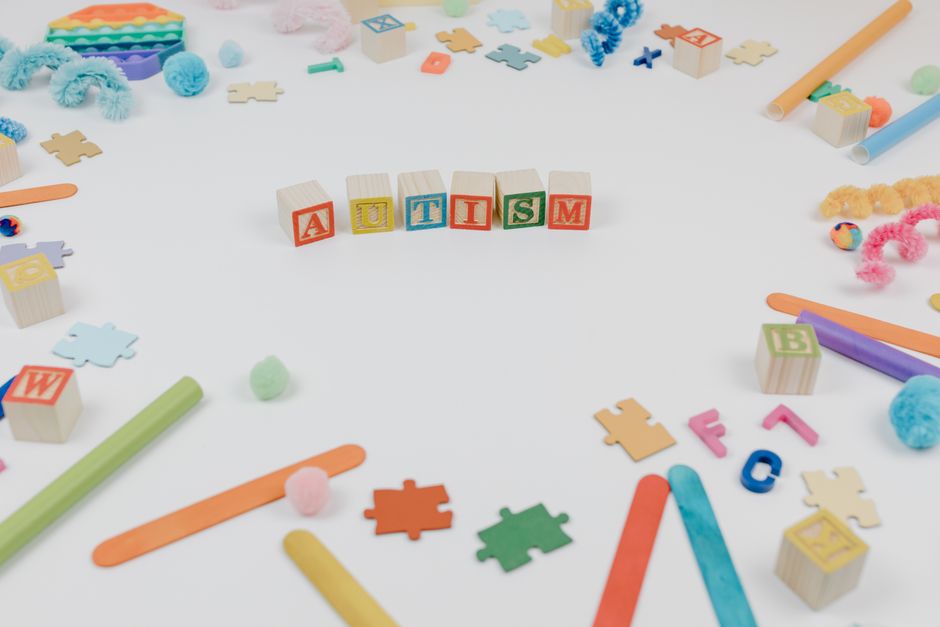
The challenge often lies not in the ability to communicate, but in the style and processing differences that exist between autistic and neurotypical communication patterns. Autistic individuals may process information more literally, struggle with implied meanings, or need additional time to formulate responses. These are not failures to communicate—they represent different communication operating systems that function equally well when properly understood and accommodated.
Many autistic people excel at direct, honest communication and may find the subtle social nuances that neurotypical people value to be confusing or inefficient. This straightforward approach, while sometimes perceived as blunt, actually reduces ambiguity and can lead to clearer understanding when both parties adjust their expectations.
Nonverbal Communication and Body Language
Body language operates differently for many autistic individuals. Eye contact, which neurotypical culture often associates with honesty and engagement, can be uncomfortable or even painful for autistic people. The intense concentration required to maintain eye contact may actually interfere with an autistic person’s ability to listen and process information effectively.
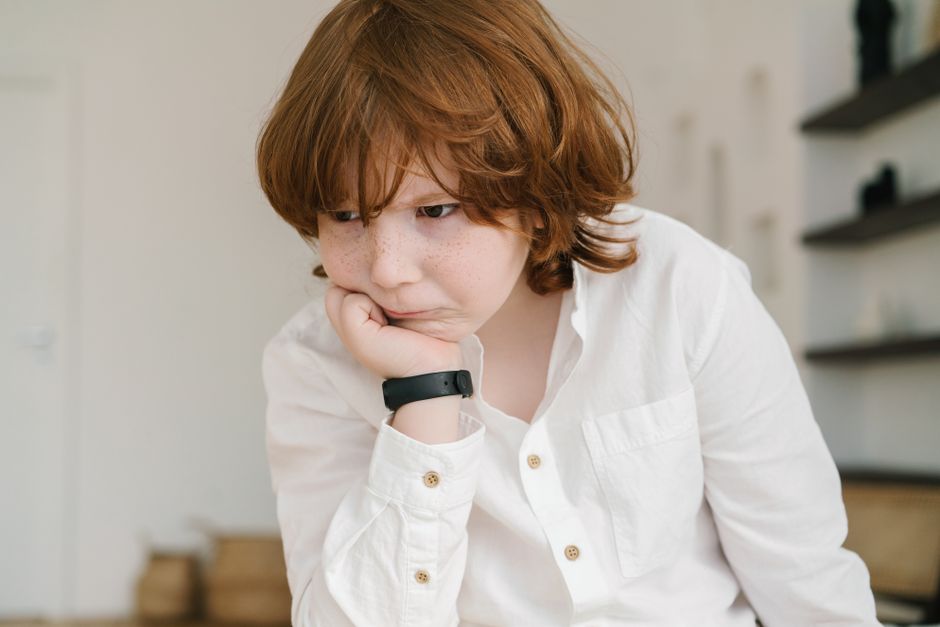
Similarly, facial expressions and gestures may not align with conventional expectations. An autistic person might appear expressionless while feeling intense emotions, or they may express emotions in ways that don’t match neurotypical patterns. This doesn’t mean they lack emotional depth—quite the opposite. Their internal experience may be rich and complex, simply not displayed in expected ways.
Understanding these differences helps prevent harmful misinterpretations. When we judge someone’s interest or honesty based solely on neurotypical body language standards, we risk missing the genuine connection and communication happening through alternative channels. Creating space for diverse communication styles benefits everyone involved.
Processing Time and Information Overload
Many autistic individuals require additional processing time to organize their thoughts and formulate responses. This isn’t a sign of incomprehension or disinterest—it’s simply a different processing speed. In a world that often values quick responses and rapid-fire conversation, this difference can be misinterpreted as confusion or lack of engagement.
Information overload presents another significant challenge. Autistic people may process sensory information and social cues more intensely than neurotypical individuals. During conversations, they’re simultaneously managing environmental stimuli, decoding social signals, processing verbal content, and formulating responses. This requires considerable cognitive energy, much like physical activity requires physical energy, and can lead to exhaustion in social situations.
Creating communication environments that minimize sensory distractions and allow for pauses can dramatically improve interactions. Written communication often works well because it eliminates the pressure of immediate response and allows for careful consideration of words. Understanding these needs helps create more accessible and productive exchanges.
Literal Thinking and Language Processing
Many autistic individuals process language literally, which can lead to confusion with idioms, sarcasm, and figurative language. When someone says “it’s raining cats and dogs,” an autistic person might initially visualize actual animals falling from the sky. This literal processing isn’t a cognitive deficit—it’s a different way of parsing linguistic information that has its own advantages.
Literal thinking promotes precision and clarity. Autistic individuals often excel in fields requiring exact language and unambiguous communication, such as technical writing, programming, or scientific research. Their preference for clear, direct communication can cut through the ambiguity that sometimes plagues neurotypical interactions.
However, navigating a world full of implied meanings and unstated social rules presents real challenges. Simple accommodations make a significant difference: speaking clearly and directly, confirming understanding, and avoiding unnecessary idioms or sarcasm, especially in important conversations. These practices benefit everyone by reducing miscommunication.
Social Reciprocity and Conversation Flow
The back-and-forth rhythm of conversation follows different patterns for autistic individuals. They might focus intensely on topics of special interest, share detailed information that seems excessive to neurotypical conversational partners, or struggle with small talk that feels meaningless. These aren’t social failures—they represent different priorities and patterns in social exchange.
Small talk, which serves important social functions in many cultures, can feel particularly challenging. For many autistic people, conversations serve primarily to exchange meaningful information rather than to build social bonds through casual chat. This difference in purpose can lead to mismatched expectations in social situations.
Autistic individuals often thrive in conversations about substantive topics where they can share expertise or explore ideas deeply. Creating space for these meaningful exchanges, rather than insisting on conventional social scripts, allows authentic connection to develop. Recognition that conversation styles vary legitimately helps both autistic and neurotypical people meet in the middle.
Building Bridges Through Understanding
Creating truly inclusive communication environments requires effort from everyone involved, not just autistic individuals adapting to neurotypical norms. The double empathy problem recognizes that communication difficulties arise from differences between autistic and neurotypical communication styles, not from deficits on either side. When both groups work to understand each other, communication improves dramatically.
Practical strategies include asking how someone prefers to communicate, providing agenda items before meetings, allowing processing time, and not forcing eye contact or other neurotypical body language expectations. Written follow-ups to verbal conversations help ensure understanding. These accommodations aren’t special treatment—they’re accessibility measures that level the playing field.
Organizations and individuals benefit from education about autistic communication differences. Just as we wouldn’t expect everyone to communicate in the same language, we shouldn’t expect everyone to communicate in the same style. Diversity in communication approaches strengthens teams and communities by bringing varied perspectives and problem-solving methods.
Quality rest also plays a crucial role in communication capacity. When autistic individuals are well-rested, they often have more energy for the demanding work of cross-neurotype communication. Resources like those from sleep health experts can help everyone improve their communication capacity through better rest.
Conclusion
Autistic communication differences reflect neurodiversity, not disorder. These variations in processing, expression, and social interaction represent legitimate ways of being human that deserve accommodation and respect. Moving forward, society benefits from embracing these differences rather than pathologizing them. By creating spaces where multiple communication styles are valued, we build more inclusive communities where autistic individuals can contribute their unique strengths and perspectives. The goal isn’t to make autistic people communicate like neurotypical people, but to create mutual understanding where different communication operating systems can interface successfully. This benefits everyone by expanding our collective understanding of human connection and interaction.
For further support and community, consider exploring Autism Spectrum Disorder support groups.