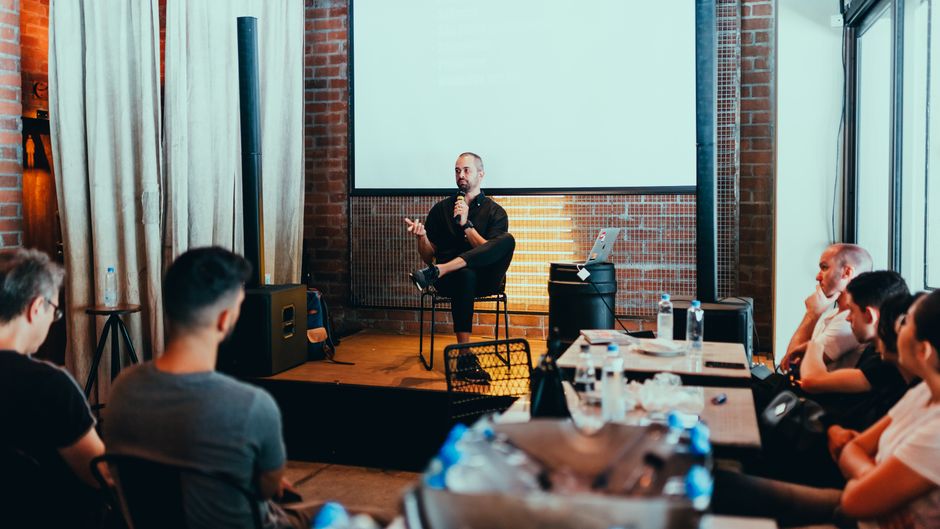
Expert Speaker With Lived Disability Experience
The landscape of disability advocacy has transformed dramatically over the past decade, with individuals who have lived experience taking center stage to share their authentic stories. An expert speaker with lived experience of disability brings unparalleled insight, credibility, and emotional resonance to audiences seeking genuine understanding of what it means to navigate the world with a disability. These speakers don’t just educate—they inspire change through their personal journeys, challenges overcome, and hard-won wisdom.
Louis Scarantino exemplifies this powerful combination of lived experience and expert communication. As a motivational speaker and autism advocate, he educates, inspires, and empowers audiences through his authentic experiences on the autism spectrum. His work extends beyond the stage, as he is also a published author dedicated to challenging misconceptions and promoting acceptance for individuals with autism. This multifaceted approach demonstrates how lived experience, when paired with exceptional communication skills, creates transformative educational opportunities.
The Power of Authentic Lived Experience
When an expert speaker shares their lived experience with disability, they bring something no amount of academic study can replicate: firsthand knowledge of daily realities, emotional challenges, and unexpected triumphs. This authenticity creates an immediate connection with audiences, breaking down barriers and fostering genuine empathy.

Lived experience speakers offer perspectives that challenge common assumptions and stereotypes. They illuminate the gap between how disability is perceived and what it actually means to live with a disability. This insider knowledge proves invaluable for organizations, educational institutions, and community groups seeking to create more inclusive environments and practices.
The credibility that comes with lived experience cannot be overstated. When audiences hear directly from someone who has navigated systemic barriers, social stigma, and personal challenges, the message carries weight that theoretical knowledge alone cannot achieve. This authenticity makes difficult conversations more accessible and actionable insights more readily embraced.
Educational Impact on Organizations and Communities
Organizations seeking disability awareness training increasingly recognize that expert speakers with lived experience deliver the most impactful programs. These presentations go beyond compliance training, creating meaningful cultural shifts within workplaces, schools, and community organizations.

For educational institutions, speakers who share their lived experience provide students with real-world context for understanding diversity, inclusion, and accessibility. The CDC emphasizes the importance of inclusive practices in various aspects of health and wellness, principles that extend naturally to educational and workplace environments.
Conference organizers value these speakers because they offer content that resonates on both intellectual and emotional levels. Attendees leave with practical knowledge, renewed commitment to inclusion, and personal stories that stay with them long after the event concludes. The combination of expertise and authenticity creates memorable learning experiences that drive lasting change.
Businesses investing in diversity and inclusion initiatives find that speakers with lived disability experience help teams understand the business case for accessibility while humanizing the conversation. Employees develop deeper understanding of how their decisions impact colleagues and customers with disabilities, leading to more thoughtful policies and practices.
Challenging Misconceptions Through Personal Narrative
One of the most powerful aspects of expert speakers with lived disability experience is their ability to challenge deep-seated misconceptions. Many people hold unconscious biases about disability, often shaped by limited media representation or lack of personal interaction with disabled individuals.

When speakers share their authentic stories, they dismantle stereotypes one narrative at a time. They reveal the diversity within disability communities, showing audiences that disability is not a monolithic experience. For instance, autism presents differently across individuals, and hearing from someone like Louis Scarantino who can articulate his unique journey helps audiences understand this spectrum nature.
These speakers address common myths head-on: that people with disabilities need pity, that they are defined by their disabilities, or that they cannot lead full, successful lives. By standing before audiences as accomplished professionals, authors, and advocates, they embody the counternarrative to limiting assumptions.
The storytelling approach used by expert speakers makes abstract concepts concrete. Rather than discussing “barriers to employment” in general terms, they share specific moments when they faced discrimination or when thoughtful accommodations made success possible. These stories stick with audiences and influence future decision-making in profound ways.
Promoting Acceptance and Empowerment
Beyond education and awareness, expert speakers with lived disability experience play a crucial role in promoting acceptance—both for themselves and others in disability communities. Their visibility and success challenge society’s limited expectations and create new possibilities for what disabled individuals can achieve.
For other people with disabilities, especially young people recently diagnosed or still developing their identity, seeing successful speakers who share their experience provides powerful representation. It demonstrates that disability is compatible with leadership, creativity, professional achievement, and public influence. This representation matters enormously for self-advocacy and aspiration.
The empowerment message extends to family members, educators, and support professionals. When they hear from someone who has successfully navigated challenges similar to those their loved ones or students face, they gain hope and practical strategies. They learn to see potential rather than limitations, to advocate more effectively, and to create environments where disabled individuals can thrive.
Acceptance also means acknowledging that disability is a natural part of human diversity rather than something to be hidden or overcome. Expert speakers normalize disability through their presence and messaging, helping audiences understand that inclusion benefits everyone by creating richer, more diverse communities and organizations.
The Intersection of Advocacy and Expertise
The most effective speakers combine lived experience with deep knowledge of disability rights, accessibility standards, neurodiversity frameworks, and evidence-based practices. This combination of personal and professional expertise creates comprehensive presentations that satisfy diverse audience needs.
Many expert speakers stay current with research, policy developments, and emerging best practices in their fields. This commitment to ongoing learning, as reflected in resources like comprehensive reference materials, ensures their content remains relevant and accurate. They bridge the gap between academic research and practical application through their unique perspective.
The advocacy dimension of their work extends beyond individual presentations. Many speakers, like Louis Scarantino through his published books, create lasting resources that amplify their impact. Written works allow them to reach broader audiences and provide reference materials for organizations implementing change.
This multifaceted approach—combining speaking engagements, published works, and ongoing advocacy—creates systemic change rather than just momentary awareness. Expert speakers become trusted partners for organizations committed to genuine inclusion rather than performative gestures.
Selecting the Right Speaker for Your Needs
Organizations and event planners seeking expert speakers with lived disability experience should consider several factors to ensure the best fit. First, identify your specific goals: Are you seeking to educate employees about autism, create more inclusive practices, or inspire a general audience about overcoming challenges?
Look for speakers who can tailor their presentations to your audience’s needs. The most effective speakers adjust their content, language, and examples based on whether they’re addressing corporate executives, educators, healthcare professionals, or students. This flexibility demonstrates both expertise and communication skill.
Consider the speaker’s track record and testimonials from previous engagements. Successful speakers will have demonstrated ability to engage diverse audiences, handle sensitive topics with nuance, and leave participants with actionable insights. Their lived experience should enhance rather than limit their professional presentation abilities.
Budget considerations matter, but remember that expert speakers invest significant time developing their expertise, crafting presentations, and often managing the logistics of travel and accessibility needs. Quality speakers deliver value that extends far beyond the presentation itself through changed perspectives and improved practices.
Finally, ensure your organization is prepared to fully accommodate the speaker’s needs. This includes physical accessibility, communication preferences, and any specific requirements related to their disability. Demonstrating commitment to accessibility in how you work with the speaker models the values you’re seeking to promote.
Conclusion
Expert speakers with lived disability experience offer transformative educational opportunities that combine authenticity, expertise, and emotional resonance. Through their personal narratives and professional knowledge, they challenge misconceptions, promote acceptance, and inspire meaningful change across organizations and communities. Whether addressing conferences, educational institutions, or businesses seeking to enhance inclusion, these speakers provide insights that no other source can replicate. Louis Scarantino and speakers like him demonstrate how lived experience, when shared skillfully and thoughtfully, becomes a powerful catalyst for creating more inclusive, understanding, and equitable spaces for all individuals, regardless of ability. Investing in these voices represents a commitment to genuine inclusion and the recognition that diverse perspectives make organizations and communities stronger.