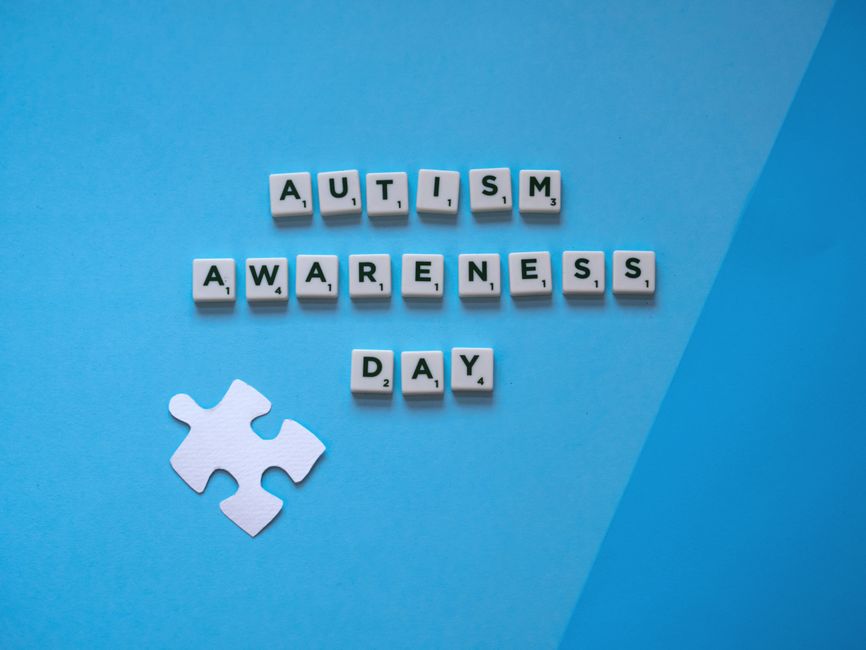
Autism Spectrum Awareness in 2026
Autism spectrum disorder (ASD) represents a diverse range of neurological and developmental conditions that affect how people communicate, interact, learn, and behave. As we navigate through 2026, awareness and understanding of autism have grown significantly, yet misconceptions still persist. Building authentic awareness means moving beyond simple recognition to genuine acceptance, support, and inclusion of individuals on the autism spectrum in all aspects of society.
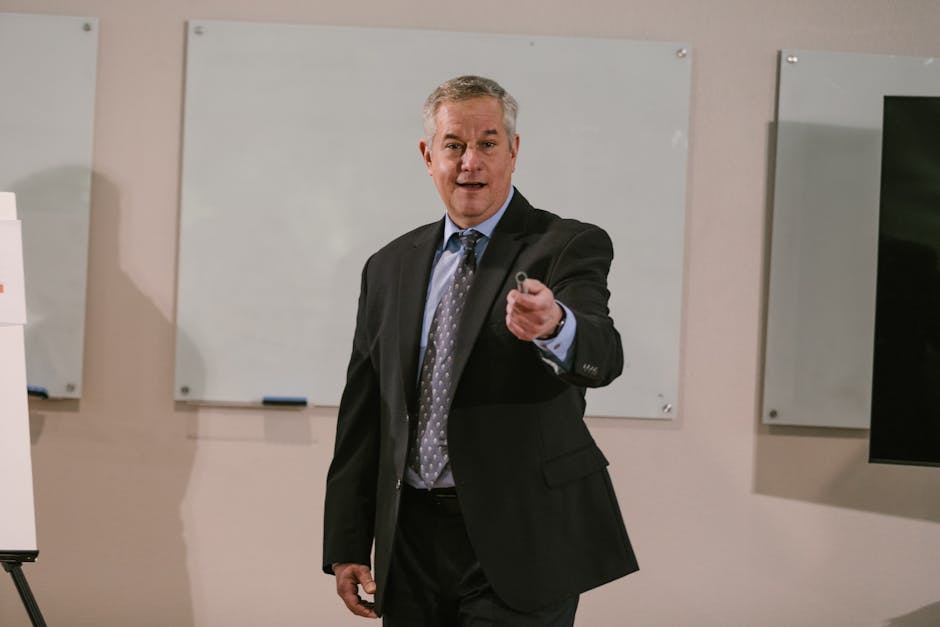
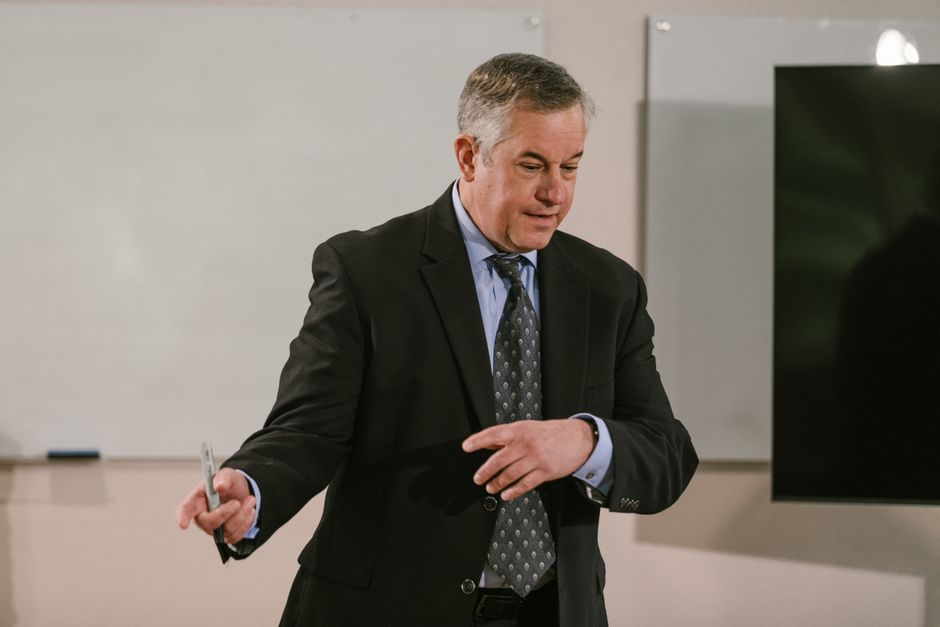
Louis Scarantino, a motivational speaker and autism advocate, dedicates his work to educating audiences through his lived experiences on the autism spectrum. As both a speaker and published author, Louis challenges stereotypes and promotes meaningful acceptance. His mission reflects the broader movement toward creating a world where neurodiversity is celebrated and individuals with autism receive the understanding and support they deserve.
Understanding the Autism Spectrum
Autism spectrum disorder is characterized by a wide range of symptoms, skills, and levels of support needs. No two individuals with autism are exactly alike, which is why it’s described as a spectrum. Some people on the spectrum may need significant support in their daily lives, while others may need less support and, in some cases, live entirely independently.
Common characteristics associated with autism include differences in social communication, restricted interests, repetitive behaviors, and unique sensory sensitivities. However, these characteristics manifest differently in each person. Some individuals may be nonverbal, while others are highly articulate. Some may struggle with eye contact and interpreting social cues, while others develop their own effective ways of connecting with people.
According to the Britannica encyclopedia, autism has been increasingly recognized and diagnosed in recent decades, leading to greater awareness of its prevalence and the diverse ways it presents across different individuals. This increased recognition has helped shift perspectives from viewing autism as something to “fix” to understanding it as a different way of experiencing and interacting with the world.
The Importance of Advocacy and Lived Experience
Authentic autism advocacy must center the voices of those who live with autism every day. When individuals on the spectrum share their stories, they provide invaluable insights that cannot be replicated by outside observation alone. These personal narratives help break down stereotypes and reveal the rich, complex lives of people with autism.

Motivational speakers like Louis Scarantino who share their lived experiences serve a critical role in education and awareness. They humanize autism, moving the conversation beyond clinical definitions to showcase real triumphs, challenges, and perspectives. Through speaking engagements at conferences, educational institutions, and organizations, these advocates create meaningful connections that foster understanding and acceptance.
Published works by authors on the spectrum further expand this mission, offering deeper dives into the autistic experience and providing resources for families, educators, and allies. These books challenge misconceptions and offer practical guidance for creating more inclusive environments.
Creating Inclusive Environments
Building awareness means taking action to create spaces where individuals with autism can thrive. This begins with understanding and accommodation in educational settings, workplaces, and communities. Inclusive environments recognize that differences in communication and sensory processing are not deficits but variations that require thoughtful support.
Educational institutions can promote inclusion by implementing individualized education programs, providing sensory-friendly spaces, and training staff to understand autism. Teachers who learn about different learning styles and communication methods can better support autistic students in reaching their full potential.
Workplaces benefit from autism awareness through diverse hiring practices and workplace accommodations. Many individuals on the spectrum possess exceptional skills in pattern recognition, attention to detail, and focused concentration. Companies that embrace neurodiversity often discover untapped talent and fresh perspectives.
Communities can support autism awareness by offering sensory-friendly events, such as quiet hours at museums or low-sensory movie screenings. Small adjustments like reducing fluorescent lighting, minimizing loud noises, and providing clear, direct communication can make public spaces more accessible to everyone.
Supporting Health and Wellbeing
Comprehensive awareness includes understanding the unique health and wellness needs of individuals on the autism spectrum. Many people with autism experience co-occurring conditions such as anxiety, sleep disturbances, and sensory processing challenges that require specialized attention and support.
Sleep issues are particularly common among individuals with autism. According to Sleep Foundation research, establishing consistent bedtime routines and creating calm, sensory-appropriate sleep environments can significantly improve sleep quality. Addressing sleep challenges is essential for overall health, mood regulation, and daily functioning.
Physical activity also plays a vital role in supporting wellbeing for individuals on the spectrum. The CDC physical activity guidelines emphasize the importance of regular movement for all individuals, including those with developmental differences. Exercise can help with regulation, reduce anxiety, and improve physical health. Finding activities that align with individual interests and sensory preferences increases the likelihood of sustained participation.
Mental health support should be accessible and autism-informed. Therapists and counselors who understand autism can provide more effective support by recognizing how anxiety, depression, and other mental health challenges may present differently in autistic individuals.
Empowering Through Education
Education remains the cornerstone of autism spectrum awareness. When families, educators, employers, and community members understand autism, they can move from passive awareness to active allyship. This education should be ongoing, incorporating the latest research while always centering autistic voices.
Conferences and speaking engagements provide powerful opportunities for learning. Hearing directly from individuals on the spectrum offers insights that textbooks and clinical descriptions cannot capture. These events create dialogue, answer questions, and inspire action toward greater inclusion.
Organizations seeking to improve their autism awareness can benefit from comprehensive training programs that address communication differences, sensory needs, and the importance of presuming competence. Understanding that intelligence and ability are not determined by verbal communication skills is crucial for supporting all individuals on the spectrum.
Resources such as books, articles, and educational materials written by autistic authors provide ongoing learning opportunities. These resources help families navigate diagnoses, support children and adults on the spectrum, and advocate effectively within systems that may not yet be fully inclusive.
Moving Forward with Acceptance
True autism spectrum awareness in 2026 means embracing neurodiversity as a natural and valuable part of human diversity. It requires moving beyond mere tolerance to genuine acceptance and celebration of different ways of thinking, communicating, and experiencing the world.
Acceptance means listening to autistic individuals about their needs rather than making assumptions. It means creating opportunities rather than limitations. It means recognizing that autism is a lifelong neurological difference, not something to be cured, but rather understood and supported.
The disability awareness movement has made significant strides, yet there is still work to be done. By supporting advocates, attending educational events, reading books by autistic authors, and implementing inclusive practices, each person can contribute to a more accepting world.
Motivational speakers and advocates like Louis Scarantino demonstrate that individuals on the autism spectrum can inspire, educate, and lead meaningful change. Their voices remind us that awareness without action is incomplete, and true progress comes from empowerment, understanding, and unwavering commitment to inclusion.
As awareness continues to grow, the focus must remain on creating tangible change that improves lives, expands opportunities, and celebrates the unique contributions of every person on the autism spectrum. Through education, advocacy, and acceptance, we build a future where neurodiversity is not just acknowledged but genuinely valued.