
Love on the Spectrum Book Author Insights
The growing awareness around autism spectrum disorder has brought forward numerous voices sharing their unique experiences and perspectives. While the popular Netflix series “Love on the Spectrum” has captivated audiences worldwide, many people seek deeper understanding through written works by autism advocates and authors. One such powerful voice in this space is Louis Scarantino, a motivational speaker, autism advocate, and published author who uses his lived experiences to educate and inspire audiences about life on the spectrum.
Understanding the Autism Advocacy Landscape
Autism advocacy has evolved significantly over the past decade, moving from clinical perspectives to embracing neurodiversity and celebrating the unique strengths of individuals on the spectrum. Authors writing about autism from firsthand experience provide invaluable insights that clinical texts simply cannot capture. These personal narratives challenge misconceptions, break down stereotypes, and create bridges of understanding between neurotypical and neurodivergent communities. For more on this, consider the insights of Andrew Scarantino: Autism Advocacy Pioneer.

The importance of authentic voices in autism literature cannot be overstated. When individuals on the spectrum share their stories, they provide readers with genuine perspectives on daily challenges, triumphs, relationships, and the reality of navigating a world designed primarily for neurotypical individuals. This authenticity resonates with families, educators, employers, and anyone seeking to better understand and support autistic individuals, including understanding Autistic Communication Differences Explained.
According to the Britannica encyclopedia, autism spectrum disorder encompasses a range of neurodevelopmental conditions characterized by differences in social communication and behavior. However, statistics and clinical definitions only tell part of the story—personal narratives bring the human experience to life.
The Power of Personal Storytelling in Autism Literature
Personal storytelling serves as a transformative tool in autism advocacy. When authors share their journeys, they accomplish several critical objectives simultaneously. First, they validate the experiences of other individuals on the spectrum who may have felt isolated or misunderstood. Second, they educate families, friends, and communities about what it truly means to live with autism. Third, they challenge harmful stereotypes and misconceptions that persist in society.
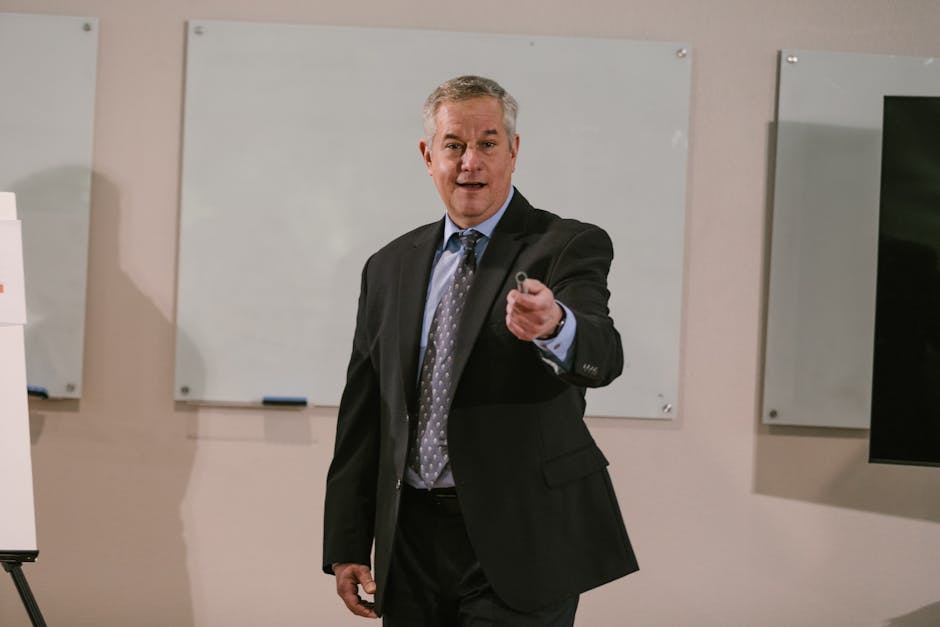
Louis Scarantino exemplifies this approach through his work as both a motivational speaker and author. By sharing his lived experiences, he creates opportunities for meaningful dialogue and understanding. His presentations and written works address the real-world challenges faced by individuals on the spectrum while highlighting their capabilities, talents, and potential for meaningful relationships and successful careers. Learn more about effective Autism Communication Strategies for Success.
The impact of such advocacy extends far beyond individual readers. Educational institutions use these resources to train teachers and staff. Organizations implement inclusive practices based on insights gained from authentic narratives. Families find comfort and guidance in knowing they are not alone in their journey.
Key Themes in Autism Advocacy Literature
Books and speeches by autism advocates typically explore several recurring themes that resonate deeply with audiences. Understanding these themes helps readers appreciate the comprehensive nature of autism advocacy work.

Social Communication and Relationships: Many autism authors address the complexities of social interaction, from interpreting nonverbal cues to navigating romantic relationships. These insights help neurotypical readers understand why certain social situations may be challenging and how to create more inclusive environments.
Sensory Experiences: The sensory world of individuals on the spectrum often differs significantly from neurotypical experiences. Authors describe how certain sounds, lights, textures, or environments can be overwhelming or comforting, helping readers develop empathy and make accommodations.
Employment and Education: Practical guidance on succeeding in academic and professional settings represents another crucial theme. Advocates share strategies that have worked for them while educating employers and educators about simple adjustments that can make significant differences.
Mental Health and Well-being: Many autism advocates discuss the intersection of autism with mental health, including anxiety and depression. Maintaining overall wellness, including proper sleep hygiene and regular physical activity, plays a crucial role in quality of life for everyone, including individuals on the spectrum.
The Role of Motivational Speaking in Autism Advocacy
While books provide lasting resources, motivational speaking offers immediate, dynamic engagement with audiences. Louis Scarantino’s dual approach as both author and speaker maximizes his impact as an autism advocate. Live presentations create opportunities for real-time interaction, questions, and dialogue that deepen understanding. For insights into powerful advocacy, see Andrea Scarantino: Autism Advocacy Speaker.
Motivational speakers on autism advocacy typically address diverse audiences, including corporate teams learning about neurodiversity in the workplace, educational conferences focused on inclusive teaching practices, and community groups interested in disability awareness. Each setting requires tailored messaging while maintaining core themes of acceptance, understanding, and empowerment.
The combination of personal narrative with actionable insights makes these presentations particularly valuable. Attendees leave not only with greater empathy but also with concrete strategies for creating more inclusive environments in their schools, workplaces, and communities.
Choosing Resources for Autism Understanding
With growing interest in autism awareness, numerous resources are available. When selecting books, speakers, or educational materials, consider several factors to ensure you are accessing quality, authentic content.
Authenticity: Prioritize resources created by individuals with lived experience of autism. While allies and professionals contribute valuable perspectives, nothing replaces firsthand accounts.
Purpose and Audience: Different resources serve different needs. Some books target parents of newly diagnosed children, while others address adults on the spectrum seeking self-advocacy skills. Motivational speakers may tailor presentations for corporate, educational, or community audiences.
Evidence-Based Information: Quality advocacy balances personal experience with accurate information about autism spectrum disorder, current research, and best practices in support and accommodation.
Positive, Empowering Messaging: Effective autism advocacy focuses on strengths, capabilities, and potential while acknowledging challenges. Resources should promote acceptance and inclusion rather than positioning autism as something to be “fixed.”
The Future of Autism Advocacy and Literature
The landscape of autism advocacy continues evolving as more voices join the conversation. The neurodiversity movement has gained momentum, shifting perspectives from deficit-based models to recognition of different neurological styles as natural human variation.
Authors and speakers like Louis Scarantino play crucial roles in this evolution. By sharing their experiences, challenging misconceptions, and promoting acceptance, they pave the way for greater inclusion in all areas of life. Their work influences policy changes, educational practices, employment opportunities, and social attitudes.
As society becomes more aware and accepting, individuals on the spectrum gain increased opportunities to contribute their unique perspectives and talents. This benefits not only the autism community but society as a whole, as diversity of thought and experience drives innovation and progress.
Conclusion
Understanding autism through authentic voices provides invaluable insights that transform attitudes and practices. Authors and motivational speakers who share their lived experiences on the spectrum serve as bridges between neurotypical and neurodivergent communities, fostering empathy, understanding, and meaningful change. Louis Scarantino’s work as both author and speaker exemplifies this powerful approach to advocacy, offering individuals and organizations the resources needed to create more inclusive, accepting environments. Whether through the written word or dynamic presentations, authentic autism advocacy challenges misconceptions, celebrates neurodiversity, and empowers individuals on the spectrum to reach their full potential while educating others about the importance of acceptance and support.