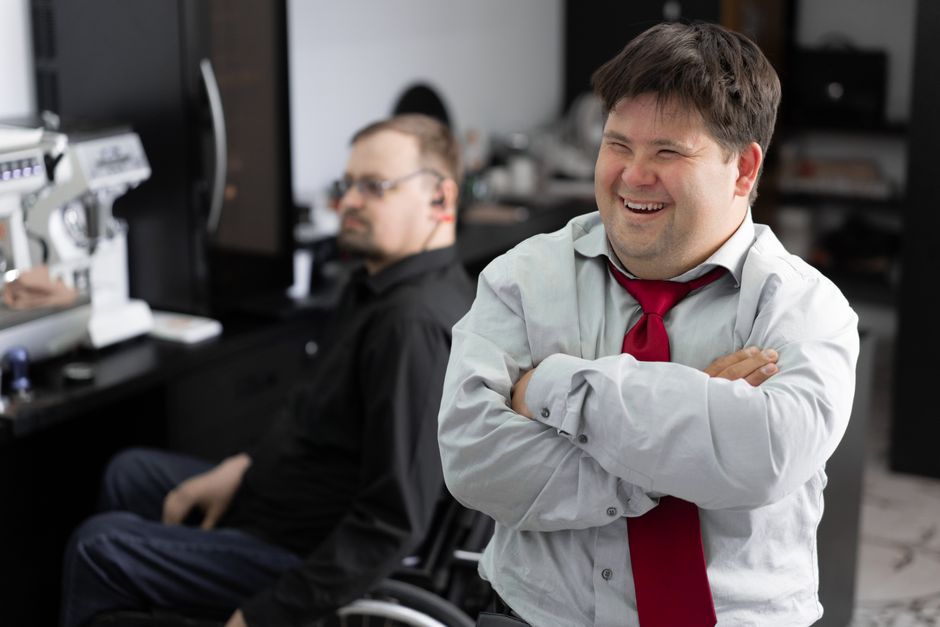
Disability Inclusion Workshops for Businesses
In 2026, businesses face an imperative to create truly inclusive workplaces that embrace neurodiversity and disability. Disability inclusion workshops have emerged as essential tools for organizations committed to building environments where all employees can thrive. These workshops go beyond basic compliance training, offering transformative experiences that reshape company culture, improve employee engagement, and unlock the potential of diverse talent pools.
As a motivational speaker and autism advocate, Louis Scarantino brings lived experience to the forefront of disability inclusion education. Through authentic storytelling and practical strategies, businesses can move from passive accommodation to active celebration of neurological differences and disabilities, creating workplaces that benefit everyone.
Why Businesses Need Disability Inclusion Training
The business case for disability inclusion extends far beyond moral imperatives. Organizations that prioritize inclusive practices access a wider talent pool, improve employee retention, and enhance innovation through diverse perspectives. Yet despite growing awareness, many workplaces struggle with unconscious biases, outdated practices, and a fundamental lack of understanding about what true inclusion means.

Disability inclusion workshops address these gaps by providing employees and leadership with the knowledge, tools, and empathy needed to create genuinely welcoming environments. When team members understand autism, physical disabilities, invisible disabilities, and other forms of neurodivergence, they become better colleagues, managers, and leaders.
Research consistently demonstrates that diverse teams outperform homogeneous ones in problem-solving and creativity. Individuals with disabilities bring unique perspectives shaped by navigating a world not always designed for them. This experience cultivates resilience, adaptability, and innovative thinking—qualities every successful business needs.
Components of Effective Inclusion Workshops
High-impact disability inclusion workshops combine education, personal narrative, and actionable strategies. The most effective programs include several key components that work together to create lasting change within organizations.
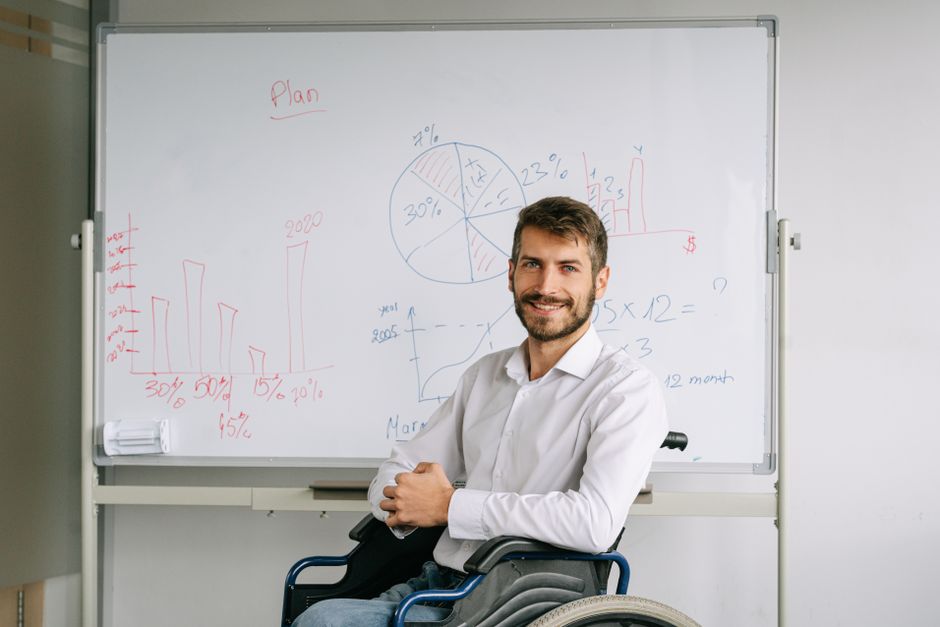
Lived Experience Storytelling: Nothing replaces the power of hearing directly from individuals with disabilities. When speakers like Louis Scarantino share their personal journeys, challenges, and successes, audiences develop genuine empathy and understanding that abstract statistics cannot provide. This human connection transforms how colleagues perceive and interact with disabled team members.
Misconception Addressing: Many workplace barriers stem from well-intentioned but incorrect assumptions. Effective workshops systematically identify and correct common misconceptions about autism, physical disabilities, mental health conditions, and other disabilities. This education helps participants recognize their own biases and adjust their behaviors accordingly.
Practical Accommodation Strategies: Beyond awareness, employees need concrete tools for creating inclusive environments. Workshops should cover reasonable accommodations, communication adjustments, sensory considerations, and flexible work arrangements that enable all employees to perform at their best.
Interactive Exercises: Passive learning has limited impact. The best workshops incorporate role-playing scenarios, group discussions, and problem-solving activities that allow participants to practice inclusive behaviors in safe environments before applying them in real workplace situations.
Tailoring Workshops to Different Audiences
Not all disability inclusion training should look identical. Different organizational roles require different focuses and depths of understanding to maximize effectiveness.
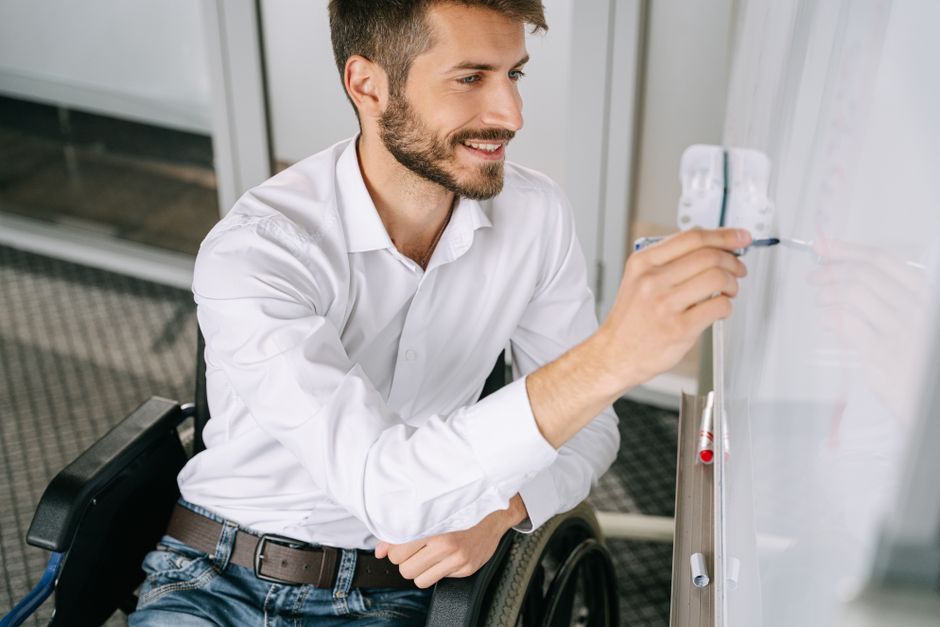
Leadership and Executive Training: Senior leaders need to understand the strategic importance of disability inclusion, from talent acquisition to market expansion. These workshops should emphasize policy development, resource allocation, and culture-setting responsibilities that only leadership can address. Executives who champion inclusion create permission structures for the entire organization to embrace change.
Manager and Supervisor Programs: Middle management holds tremendous power in either enabling or hindering workplace inclusion. Manager-focused workshops should provide specific guidance on conducting inclusive interviews, managing diverse teams, addressing accommodation requests, and creating psychologically safe team environments. These individuals need both philosophical understanding and tactical skills.
Employee-Wide Sessions: Broad employee training builds foundational awareness across the organization. These sessions introduce disability etiquette, communication best practices, and the value of neurodiversity. Even brief workshops can significantly shift workplace culture when delivered authentically and reinforced through organizational practices.
Human Resources Specialization: HR professionals require deep technical knowledge of legal requirements, accommodation processes, and inclusive recruitment strategies. Advanced workshops for these teams should address Americans with Disabilities Act compliance, interview techniques, onboarding adaptations, and performance management considerations specific to employees with disabilities.
Measuring Workshop Impact and Success
Organizations investing in disability inclusion workshops deserve to see tangible results. Measuring impact requires both quantitative and qualitative assessment methods that capture the full scope of cultural transformation.
Pre and post-workshop surveys can measure changes in attitudes, awareness levels, and confidence in supporting colleagues with disabilities. These assessments provide immediate feedback on workshop effectiveness and identify areas requiring additional focus or reinforcement.
Tracking behavioral changes offers deeper insights into lasting impact. Organizations should monitor accommodation request patterns, retention rates among employees with disabilities, internal mobility statistics, and employee satisfaction scores disaggregated by disability status. Positive trends in these metrics indicate that workshop learning is translating into meaningful workplace changes.
Qualitative feedback through focus groups, interviews, and testimonials captures the human dimension of inclusion progress. Stories of improved team dynamics, increased psychological safety, and enhanced belonging provide context that numbers alone cannot convey.
Long-term success requires ongoing commitment beyond single workshop events. The most successful organizations integrate disability inclusion into broader diversity initiatives, provide refresher training, and continually evolve their practices based on employee feedback and emerging best practices.
Creating Sustainable Inclusion Beyond Workshops
While disability inclusion workshops catalyze change, they represent starting points rather than destinations. Organizations must embed workshop learnings into everyday practices, policies, and cultural norms to achieve sustainable inclusion.
Establishing employee resource groups for workers with disabilities creates ongoing support networks and provides leadership with direct channels for feedback. These groups often identify practical improvements that workshop facilitators might miss, ensuring inclusion efforts remain grounded in actual employee needs.
Regular communication reinforces workshop concepts and prevents backsliding into old patterns. Internal newsletters, leadership messages, and team meetings should consistently highlight inclusion successes, share resources, and celebrate progress. Just as physical health requires ongoing attention—as evidenced by CDC physical activity guidance and sleep recommendations—organizational inclusion requires continuous nurturing.
Integrating disability inclusion into performance expectations and advancement criteria signals that these values matter beyond workshop days. When inclusive behavior factors into evaluations and promotions, employees recognize that the organization genuinely prioritizes these principles.
Partnering with disability-focused organizations, hiring consultants with disabilities, and maintaining relationships with speakers like Louis Scarantino ensures access to current insights and prevents inclusion efforts from becoming stagnant or performative.
Conclusion
Disability inclusion workshops represent powerful opportunities for businesses to transform workplace culture, unlock human potential, and build competitive advantages through diversity. When delivered by authentic voices with lived experience, these workshops move beyond compliance checkboxes to create genuine understanding, empathy, and behavioral change.
The most effective programs combine education about disabilities and neurodiversity with practical strategies, interactive learning, and role-specific content. However, workshops alone cannot sustain inclusion. Organizations must integrate these learnings into policies, practices, and everyday interactions to create environments where all employees truly belong.
As businesses navigate the evolving landscape of 2026, disability inclusion is not optional—it is essential for attracting talent, serving diverse customers, and fostering the innovation that comes from varied perspectives. By investing in comprehensive workshops and committing to ongoing cultural development, organizations position themselves as leaders in creating workplaces that reflect and celebrate the full spectrum of human diversity.