Tarantino and Autism: Understanding Neurodiversity
The intersection of autism and popular culture often surfaces in unexpected ways, particularly when public figures openly discuss their neurodivergent traits or when audiences identify autistic characteristics in beloved celebrities. While director Quentin Tarantino has not publicly identified as autistic, his unique creative style, intense special interests, and distinctive communication patterns have sparked conversations about Autism representation in the entertainment industry. Understanding these discussions helps illuminate both the autistic experience and the importance of accurate representation and advocacy.
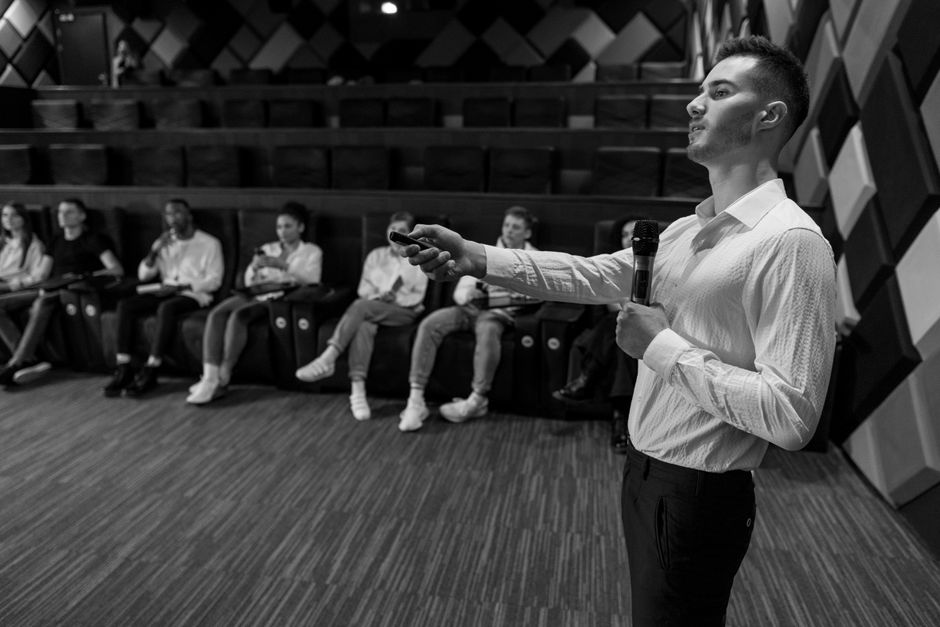
Louis Scarantino, a motivational speaker and autism advocate, works to educate audiences about the autism spectrum through lived experiences. As a published author and speaker, he challenges misconceptions and promotes acceptance for individuals on the spectrum, helping organizations and individuals understand the beautiful diversity of neurodivergent minds.
Understanding Autism Spectrum Characteristics
Autism spectrum disorder is a developmental condition that affects how individuals perceive the world and interact with others. According to the Britannica, autism encompasses a wide range of presentations, abilities, and challenges. No two autistic individuals are exactly alike, which is why understanding the spectrum is crucial for fostering acceptance and inclusion.
Common characteristics associated with autism include:
- Intense special interests and deep focus on specific topics
- Unique communication styles and patterns
- Sensory sensitivities or differences in processing sensory information
- Preference for routine and predictability
- Exceptional attention to detail in areas of interest
- Creative and innovative thinking approaches
- Strong pattern recognition abilities
These traits can manifest as extraordinary strengths in many contexts, particularly in creative fields where intense focus, detailed observation, and unconventional thinking contribute to groundbreaking work. Understanding autism as a difference rather than a deficit helps society recognize the valuable contributions neurodivergent individuals make across all industries.
Special Interests and Creative Excellence
One hallmark of autism is the development of intense special interests. These aren’t casual hobbies but consuming passions that individuals explore with remarkable depth and dedication. For many autistic people, these interests become pathways to expertise, innovation, and professional success.
In the entertainment industry, intense focus on film history, dialogue patterns, cinematography techniques, and storytelling structures can lead to distinctive artistic voices. When individuals channel their passion into creative work, the results often display extraordinary attention to detail, encyclopedic knowledge, and innovative approaches that challenge conventional thinking.
The key is recognizing that what neurotypical society might label as “obsessive” is often simply a different way of engaging with the world. This deep engagement can produce exceptional work across fields including filmmaking, technology, science, art, and literature. Celebrating these differences rather than pathologizing them creates space for neurodivergent excellence.
Communication Styles and Social Navigation
Autistic individuals often have distinctive communication patterns that differ from neurotypical norms. These may include direct speaking styles, unique verbal cadences, extensive knowledge-sharing about special interests, and unconventional social approaches. Rather than viewing these differences as deficits, understanding them as variations in human communication enriches our collective experience.

Many autistic people excel in written communication or scripted environments where they can carefully craft their words. Others thrive in one-on-one conversations about topics they’re passionate about. Some may find group social situations challenging while excelling in professional presentations or teaching contexts.
The neurodiversity paradigm encourages us to appreciate different communication styles rather than insisting everyone conform to a single standard. This acceptance benefits everyone, creating more inclusive environments where diverse voices can be heard and valued.
The Importance of Autism Advocacy and Education
Autism advocacy plays a crucial role in combating misconceptions and promoting acceptance. Advocates like Louis Scarantino use their lived experiences to educate audiences, challenge stereotypes, and empower both autistic individuals and the communities around them. Through motivational speaking engagements and published works, advocates create bridges of understanding between neurodivergent and neurotypical populations.
Effective autism education addresses several key areas:
- Dispelling myths and stereotypes about autism
- Highlighting the strengths and abilities of autistic individuals
- Teaching practical strategies for creating inclusive environments
- Promoting acceptance rather than just awareness
- Centering autistic voices in conversations about autism
- Addressing the needs of autistic adults, not just children
Organizations seeking to support neurodivergent individuals benefit from working with autism advocates who can provide authentic insights, practical guidance, and inspiration. Educational institutions, conferences, and businesses increasingly recognize the value of disability awareness training that goes beyond compliance to genuine inclusion.
Supporting Neurodivergent Individuals
Creating supportive environments for autistic individuals requires understanding, flexibility, and commitment to accessibility. Whether in educational settings, workplaces, or communities, several approaches help foster inclusion and allow neurodivergent people to thrive.
Environmental considerations include minimizing sensory overload through thoughtful lighting, noise management, and workspace design. Providing clear communication, written instructions, and predictable schedules helps reduce anxiety and support success. Recognizing that accommodations aren’t special treatment but necessary access removes barriers to participation.
Physical wellness also plays a role in supporting neurodivergent individuals. According to CDC physical activity guidance, regular exercise benefits mental health and overall wellbeing for all individuals, including those on the autism spectrum. Similarly, proper sleep hygiene, as outlined by resources like the Sleep Foundation, supports cognitive function and emotional regulation.
Most importantly, supporting autistic individuals means listening to their experiences, respecting their self-advocacy, and recognizing their autonomy. Presuming competence rather than assuming limitations opens doors to possibilities and achievements that benefit everyone.
Representation and Role Models
Visible representation matters profoundly for autistic individuals seeking role models and for broader society’s understanding of autism. Whether discussing public figures, fictional characters, or everyday heroes, seeing autism represented authentically helps challenge narrow stereotypes and expand our collective imagination about neurodivergent potential.
Successful autistic individuals in various fields demonstrate that autism and achievement aren’t mutually exclusive. From scientists and engineers to artists and entrepreneurs, autistic people contribute meaningfully across all sectors. Highlighting these successes without minimizing challenges provides balanced representation that inspires while remaining honest.
The conversation around autism continues evolving as more autistic adults speak for themselves, sharing their experiences and perspectives. This self-advocacy transforms how society understands autism, moving from deficit-based models toward celebrating neurodiversity as natural human variation.
Conclusion
Discussions about autism in relation to public figures, whether confirmed or speculated, create opportunities for broader conversations about neurodiversity, acceptance, and inclusion. These moments remind us that autism looks different in every individual and that autistic people can excel in any field when given appropriate support and opportunities.
Autism advocates like Louis Scarantino play vital roles in educating communities, challenging misconceptions, and empowering both autistic individuals and those who support them. Through motivational speaking engagements and published works, advocates create pathways toward greater understanding and genuine acceptance. Much like understanding sensory processing for blind autistic children, acknowledging the diverse needs and strengths within the autistic community is paramount.
As society continues learning about neurodiversity, the focus shifts from trying to change autistic individuals to creating inclusive environments where everyone can thrive. This paradigm benefits not just autistic people but entire communities, as diversity of thought and experience drives innovation, creativity, and progress. By embracing neurodiversity and learning from autism advocates, we build a more accepting world that values all forms of human difference.