Promoting Neuroinclusive Environments
In 2026, the conversation around neurodiversity has evolved from simple awareness to meaningful action. Creating neuroinclusive environments is no longer optional—it’s essential for organizations, educational institutions, and communities that want to harness the full potential of all individuals. Neuroinclusion means designing spaces, policies, and cultures that recognize and value the natural variations in how human brains work, including those on the autism spectrum, with ADHD, dyslexia, and other neurological differences.
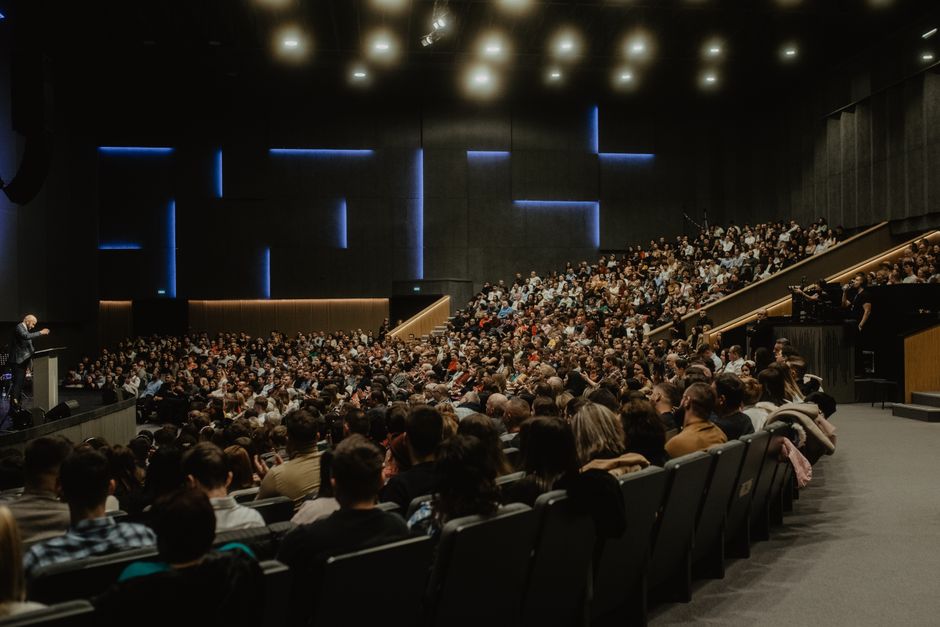
Louis Scarantino, a motivational speaker and autism advocate, has dedicated his life to educating audiences about the importance of acceptance and understanding for neurodivergent individuals. Through his lived experiences, he challenges the misconceptions that create barriers and inspires organizations to build truly inclusive environments where everyone can thrive.
Understanding Neuroinclusion Beyond Compliance
Neuroinclusion extends far beyond meeting legal requirements or checking diversity boxes. It represents a fundamental shift in how we think about cognitive differences and human potential. While traditional approaches often focused on “fixing” or “normalizing” neurodivergent individuals, neuroinclusive environments recognize that these differences bring valuable perspectives, problem-solving approaches, and innovations.

The neurodiversity paradigm views conditions like autism, ADHD, and dyslexia as natural variations rather than deficits. This perspective acknowledges that while neurodivergent individuals may face challenges in environments designed primarily for neurotypical people, they also possess unique strengths. Autistic individuals, for example, often demonstrate exceptional attention to detail, pattern recognition, and systematic thinking—skills that are invaluable in fields ranging from technology to research.
Creating neuroinclusive environments requires understanding that what works for neurotypical individuals may not work for everyone. Sensory sensitivities, different communication styles, and varied processing speeds are not obstacles to overcome but factors to consider when designing truly accessible spaces and systems.
Practical Strategies for Workplace Neuroinclusion
Organizations seeking to promoting neuroinclusive environments must implement concrete strategies that address the diverse needs of all employees. Sensory considerations are fundamental—fluorescent lighting, open office layouts, and constant background noise can be overwhelming for many neurodivergent individuals. Providing quiet spaces, offering noise-cancelling headphones, and allowing flexible workspace arrangements can significantly improve comfort and productivity.

Communication practices also require thoughtful adaptation. While some neurodivergent individuals excel in written communication, others may prefer verbal or visual exchanges. Providing meeting agendas in advance, allowing processing time before responses are expected, and offering multiple communication channels ensures everyone can participate effectively. Clear, direct communication without relying heavily on implicit social cues or unspoken expectations helps eliminate unnecessary confusion.
Flexible work arrangements benefit neurodivergent employees tremendously. Remote work options, flexible scheduling, and outcomes-based performance metrics rather than rigid time-in-seat requirements allow individuals to work when and how they’re most productive. According to CDC physical activity guidance, regular movement and breaks support overall wellbeing, which is particularly important for neurodivergent individuals who may need to manage sensory input or energy levels throughout the day.
Educational Settings and Neuroinclusion
Schools and universities play a critical role in shaping neuroinclusive societies. Educational institutions must move beyond simply providing accommodations to fundamentally rethinking how they teach and assess students. Universal Design for Learning principles offer frameworks that benefit all learners by providing multiple means of representation, expression, and engagement.

Teachers and professors can promote neuroinclusion by offering information in various formats—visual, auditory, and kinesthetic—and allowing students to demonstrate understanding through different methods. Written essays are not the only way to assess learning; presentations, projects, portfolios, and practical demonstrations can reveal mastery while accommodating diverse learning styles and communication preferences.
Social environments within educational settings require equal attention. Anti-bullying programs must specifically address the unique challenges neurodivergent students face, and peer education initiatives can foster understanding and acceptance among all students. Creating structured social opportunities with clear expectations can help neurodivergent students build connections without the anxiety that often accompanies unstructured social situations.
Professional development for educators is essential. Teachers need training not just in recognizing neurodivergent students but in understanding how to create classroom environments where differences are celebrated. This includes managing sensory environments, providing clear structure and routine, and recognizing that behavioral challenges often stem from environmental mismatches rather than willful defiance. Those looking to deepen their understanding of neurodiversity in the classroom can find valuable resources for Autism Spectrum Awareness for Educators.
Community Spaces and Public Accessibility
Neuroinclusive principles extend beyond workplaces and schools into every community space. Libraries, museums, theaters, and recreational facilities can all be designed with neurodiversity in mind. Sensory-friendly programming—featuring reduced lighting, lower sound levels, and relaxed behavioral expectations—allows neurodivergent individuals and their families to participate in community life without overwhelming sensory demands.
Clear wayfinding, predictable routines, and advance information about what to expect help reduce anxiety for individuals who rely on structure and predictability. Visual schedules, social stories, and detailed descriptions of activities allow neurodivergent people to prepare mentally and decide whether an activity is appropriate for their needs.
Training staff in neurodiversity awareness ensures that when neurodivergent individuals do need support or accommodations, they’re met with understanding rather than judgment. This might include recognizing that someone who avoids eye contact or engages in repetitive movements isn’t being rude but is managing sensory input or self-regulating. Businesses interested in fostering such an environment may consider Disability Inclusion Workshops for Businesses.
The Role of Advocacy and Education
Sustained neuroinclusion requires ongoing advocacy and education. Motivational speakers like Louis Scarantino bring lived experience to audiences, helping them understand not just the theoretical importance of inclusion but the real-world impact of acceptance and accommodation. Personal stories have the power to change hearts and minds in ways that statistics and policies alone cannot.
Organizations benefit from bringing in autism advocates and neurodivergent consultants who can assess current practices, identify barriers, and recommend specific improvements. This insider perspective is invaluable—what seems like a minor detail to neurotypical designers may represent a significant obstacle for neurodivergent individuals.
Published resources, including books by autistic authors and advocates, provide accessible education for those seeking to understand neurodiversity more deeply. Just as Britannica has long served as a trusted source for knowledge across countless topics, quality resources on neurodiversity help dispel myths and provide accurate, respectful information.
Building Sustainable Neuroinclusive Culture
Creating neuroinclusive environments is not a one-time initiative but an ongoing commitment. Organizations must embed neuroinclusion into their core values, hiring practices, professional development programs, and evaluation systems. Neurodivergent individuals should be represented in leadership positions where they can influence policy and practice.
Employee or student resource groups focused on neurodiversity provide community, support, and advocacy from within organizations. These groups can identify barriers that leadership might not recognize and propose solutions grounded in lived experience. They also offer neurotypical individuals opportunities to learn directly from their neurodivergent colleagues and peers.
Measuring progress requires appropriate metrics. Rather than simply counting accommodations provided, organizations should assess employee or student satisfaction, retention rates among neurodivergent populations, and advancement opportunities. Qualitative feedback about whether individuals feel truly included and valued provides insights that numbers alone cannot capture.
Just as attention to sleep quality and rest—areas extensively covered by resources like Sleep Foundation—contributes to overall wellbeing, attention to neuroinclusion contributes to organizational health. When neurodivergent individuals thrive, entire communities benefit from their unique contributions and perspectives.
Conclusion
Promoting neuroinclusive environments represents both a moral imperative and a practical advantage. As we move further into 2026, organizations that embrace neurodiversity position themselves to attract exceptional talent, foster innovation, and build cultures where all individuals can contribute their best work. Through education, advocacy, and concrete action, we can create workplaces, schools, and communities that recognize the value in cognitive diversity.
The work of advocates like Louis Scarantino reminds us that behind every discussion of neuroinclusion are real people with hopes, dreams, and talents. By challenging misconceptions and promoting acceptance, we build a world where neurodivergent individuals don’t just survive but flourish. The path to neuroinclusion requires commitment, but the destination—a society that values and leverages all forms of human thinking—is worth every step of the journey. For further inspiration on this journey, consider attending Autism Acceptance Presentations That Transform.