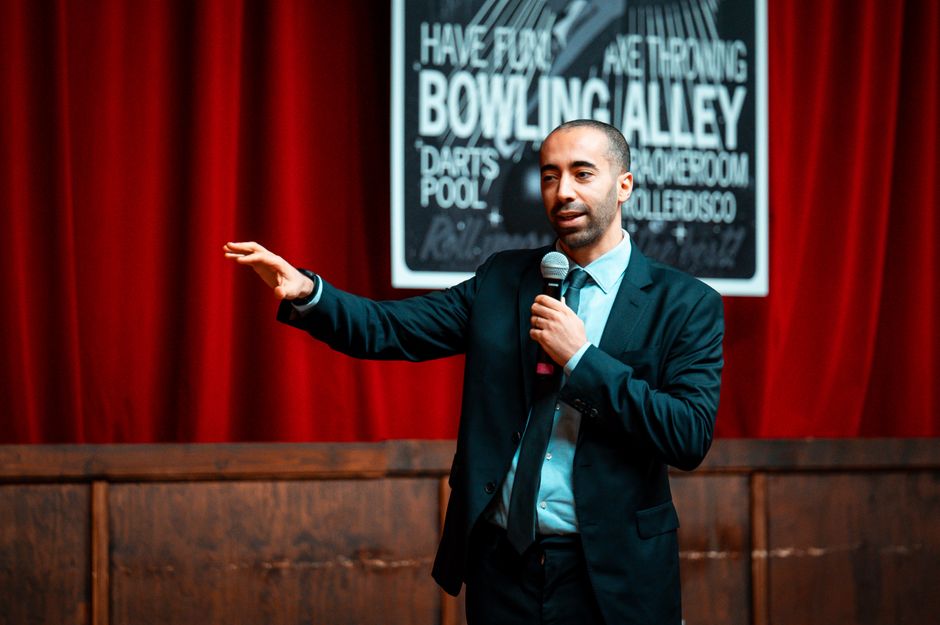
Louis Scarnato: Autism Advocate and Speaker
Louis Scarnato, also known as Louis Scarantino, has emerged as a powerful voice in the autism advocacy community. Through his work as a motivational speaker and published author, he transforms personal experience into educational opportunities that challenge societal misconceptions about autism spectrum disorder. His mission centers on inspiring acceptance and understanding for individuals on the spectrum while empowering audiences with practical insights drawn from his lived experiences.
The Journey of an Advocate
Louis Scarnato’s advocacy work stems from his personal journey navigating life on the autism spectrum. Rather than viewing autism as a limitation, he presents it as a different way of experiencing and interacting with the world. This perspective shift forms the foundation of his speaking engagements and written works. By sharing his story authentically, Scarnato bridges the gap between neurotypical individuals and those on the spectrum, fostering genuine understanding rather than mere sympathy.

His approach resonates particularly well with diverse audiences because it combines vulnerability with empowerment. Scarnato doesn’t simply educate about autism; he demonstrates through his own achievements that individuals on the spectrum can thrive in various aspects of life. This living testimony provides hope to families, educators, and individuals who may be struggling with their own autism-related challenges.
Motivational Speaking That Transforms Perspectives
As a motivational speaker, Louis Scarnato delivers presentations that go beyond basic autism awareness. His speeches tackle the nuanced challenges that individuals on the spectrum face in educational settings, workplaces, and social environments. Conference attendees, educational institutions, and disability awareness groups benefit from his unique ability to translate complex neurological differences into relatable narratives that inspire action.
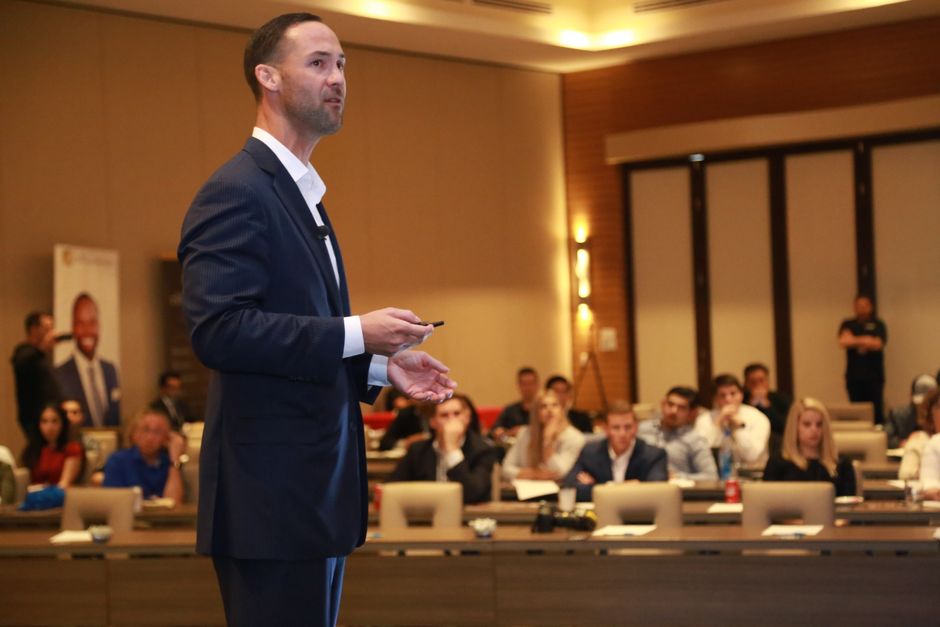
His speaking style emphasizes practical strategies alongside inspirational messages. Educators learn how to create more inclusive classroom environments, while employers gain insights into accommodating neurodiverse employees. Parents and caregivers discover new perspectives on supporting their loved ones while respecting their autonomy and unique strengths. This multifaceted approach makes his presentations valuable across numerous sectors and audiences.
Organizations seeking to enhance their disability awareness initiatives find particular value in Scarnato’s presentations. He addresses common workplace challenges, communication barriers, and the importance of creating environments where individuals on the spectrum can contribute their talents without unnecessary obstacles. His real-world experience provides credibility that academic presentations sometimes lack, making his message more impactful and memorable.
Published Works and Educational Resources
Beyond the stage, Louis Scarnato’s influence extends through his published books. These works serve as lasting resources for individuals seeking to understand autism more deeply. His writing maintains the same authentic voice that characterizes his speeches, making complex topics accessible to general audiences while providing valuable insights for professionals in education, healthcare, and social services.

The books challenge prevalent misconceptions about autism, addressing stereotypes that limit opportunities for individuals on the spectrum. Scarnato confronts assumptions about social capabilities, intellectual abilities, and potential for independence. By presenting evidence from his own life and the broader autism community, he demonstrates the wide variability within the spectrum and the dangers of one-size-fits-all thinking.
His written work also provides practical guidance for fostering acceptance in various settings. Families learn communication strategies that honor their loved one’s perspective, while institutions discover how policy changes can create more inclusive environments. These actionable insights distinguish his books from purely theoretical discussions of autism, making them valuable tools for readers seeking to implement positive change.
Understanding Autism Through Lived Experience
One of Louis Scarnato’s greatest strengths as an advocate is his emphasis on lived experience as a legitimate form of expertise. The autism community has long advocated for “nothing about us without us,” and Scarnato embodies this principle. His presentations and writings center autistic voices rather than relying solely on clinical or observational perspectives.
This approach offers audiences insights that medical texts and research papers cannot provide. He explains the sensory experiences that might trigger overwhelming responses, the social exhaustion that can follow seemingly simple interactions, and the cognitive strengths that often accompany autism. By articulating these internal experiences, Scarnato helps neurotypical individuals develop genuine empathy rather than pity.
Just as understanding physical health requires attention to multiple factors, including quality rest as documented by resources like the Sleep Foundation, comprehending autism requires recognizing how sensory processing, social communication, and executive functioning interconnect to shape daily experiences. Scarnato’s holistic approach helps audiences appreciate this complexity.
Building Inclusive Communities and Workplaces
A central theme in Louis Scarnato’s advocacy work involves creating genuinely inclusive environments where individuals on the spectrum can flourish. This goes beyond token representation or basic accommodations to fundamental shifts in how organizations approach diversity. He challenges audiences to examine unspoken assumptions about communication styles, work processes, and social expectations that may inadvertently exclude neurodiverse individuals.
Educational institutions benefit particularly from his guidance on classroom accommodations and teaching strategies. Scarnato emphasizes that supporting autistic students doesn’t mean lowering standards but rather providing multiple pathways to demonstrate competence. His recommendations align with broader principles of universal design in education, benefiting all learners while specifically addressing barriers faced by those on the spectrum.
Workplaces seeking to embrace neurodiversity gain practical frameworks for recruitment, onboarding, and ongoing support. Scarnato addresses common concerns about team dynamics while highlighting the unique perspectives and skills that autistic employees often bring. His message resonates particularly well in technology sectors and creative industries where neurodivergent thinking frequently drives innovation. Similar to how CDC physical activity guidance recognizes individual differences in ability and needs, workplace inclusion must account for neurological diversity.
The Future of Autism Advocacy
Louis Scarnato’s work contributes to a broader shift in how society understands and responds to autism. His advocacy aligns with the neurodiversity movement, which reframes autism as natural human variation rather than purely a disorder requiring correction. This perspective doesn’t deny the real challenges that individuals on the spectrum face but contextualizes them within environmental and social factors that can be addressed.
As awareness grows, the demand for authentic autistic voices in education and policy development increases. Scarnato’s platform positions him to influence these conversations meaningfully. His emphasis on acceptance over mere awareness challenges audiences to move from passive understanding to active allyship. This evolution reflects broader social movements toward justice and inclusion across various marginalized communities.
The educational value of his work extends beyond autism-specific contexts. Principles he articulates about respecting different communication styles, creating sensory-friendly environments, and valuing diverse perspectives apply broadly to inclusion efforts. Organizations that implement his recommendations often find their environments become more welcoming for numerous groups beyond the autism community. Historical context from sources like Britannica reminds us that social progress often comes from marginalized communities advocating for their own recognition and rights.
Conclusion
Louis Scarnato stands at the forefront of autism advocacy, using his platform as a motivational speaker and author to challenge misconceptions and promote meaningful inclusion. His work serves individuals seeking to understand autism more deeply, organizations striving to create inclusive environments, and members of the autism community looking for representation that honors their experiences. By combining personal narrative with practical guidance, Scarnato transforms awareness into action, helping build a more accepting world for individuals on the spectrum. His ongoing contributions to conferences, educational institutions, and disability awareness initiatives ensure that autistic voices remain central to conversations about autism, fostering the authentic understanding necessary for genuine social change.