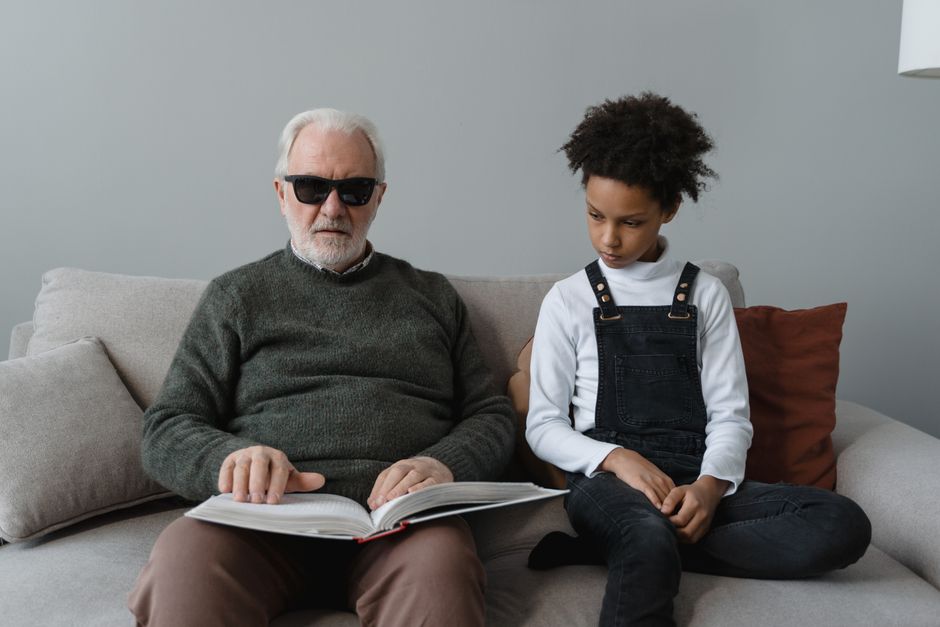
Sensory Processing for Blind Autistic Children
When a child experiences both blindness and autism, their sensory processing needs become uniquely complex. Understanding how these two conditions intersect is essential for parents, educators, and caregivers who want to provide meaningful support. Sensory processing differences are a hallmark of autism spectrum disorder, and when combined with visual impairment, these challenges require specialized approaches that honor both aspects of a child’s neurological makeup.
The journey of supporting blind children with autism begins with recognizing that their experience of the world is fundamentally different from neurotypical sighted children. Their remaining senses—touch, hearing, smell, taste, and proprioception—work overtime to compensate for the lack of visual input, while simultaneously processing information in the distinctive way characteristic of autism. This creates a sensory landscape that demands our attention, understanding, and creative problem-solving.
Understanding Dual Sensory and Neurological Differences
Autism affects how the brain processes sensory information, often leading to hypersensitivity or hyposensitivity across multiple sensory domains. For blind autistic children, this means that the senses they rely on most heavily—particularly touch and hearing—may simultaneously be sources of both essential information and potential overwhelm.
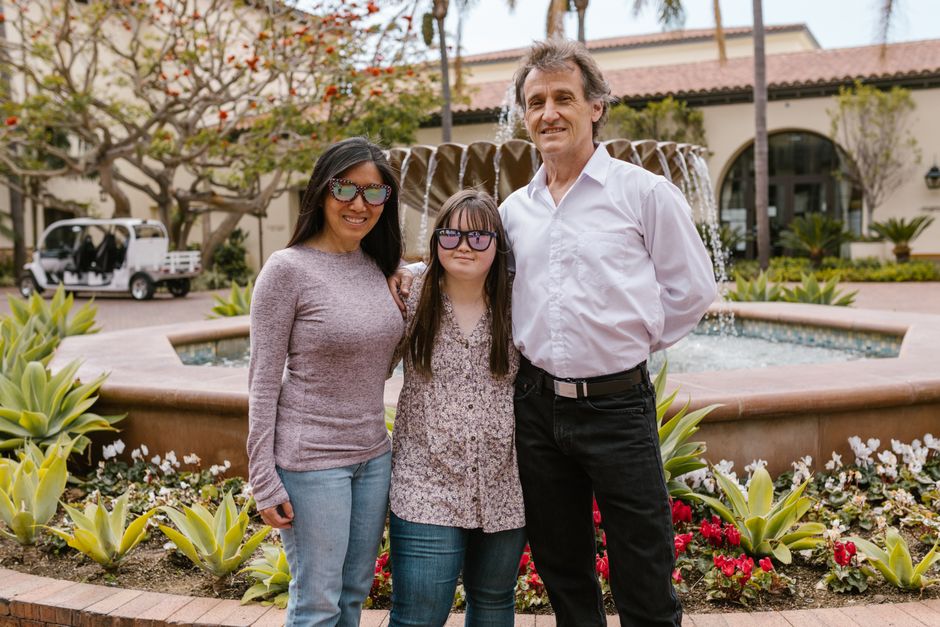
Research indicates that children with autism frequently experience sensory processing differences that impact their daily functioning. When vision is absent, the brain reorganizes to prioritize other sensory inputs, but autism may affect this reorganization in unexpected ways. A blind autistic child might seek deep pressure through tactile input while simultaneously being overwhelmed by certain fabric textures. They might have exceptional auditory discrimination abilities yet find certain sound frequencies unbearable.
The proprioceptive system, which helps us understand where our body is in space, becomes particularly important for blind children. However, autism can affect proprioceptive processing, making movement planning and body awareness more challenging. This intersection creates unique opportunities for intervention and support tailored to each child’s specific sensory profile.
Tactile Sensitivities and Touch-Based Learning
Touch becomes a primary learning channel for blind children, but autistic sensory processing differences can make tactile experiences complicated. Some blind autistic children may actively avoid touching new objects, which presents a significant challenge since tactile exploration is their main way of understanding the physical world. Others may seek constant tactile input, running their hands over surfaces repeatedly or requiring firm pressure to feel regulated.

Creating positive tactile experiences requires patience and systematic desensitization. Start with materials the child already tolerates and gradually introduce new textures in a predictable, low-pressure environment. Using hand-under-hand techniques—where the adult’s hand supports from below while the child’s hand explores—can provide security while encouraging exploration.
Establishing consistent tactile routines helps build trust and reduces anxiety. When a blind autistic child knows what to expect from their tactile environment, they can better regulate their responses. Consider using tactile schedules with objects of reference that represent different activities throughout the day, providing both information and sensory preparation for transitions.
Auditory Processing and Sound Sensitivity
Blind children naturally develop heightened reliance on auditory information, but autism can create a complicated relationship with sound. According to the Centers for Disease Control and Prevention, understanding sensory needs is crucial for supporting children with developmental differences in all activities, including physical movement that affects spatial and auditory awareness.
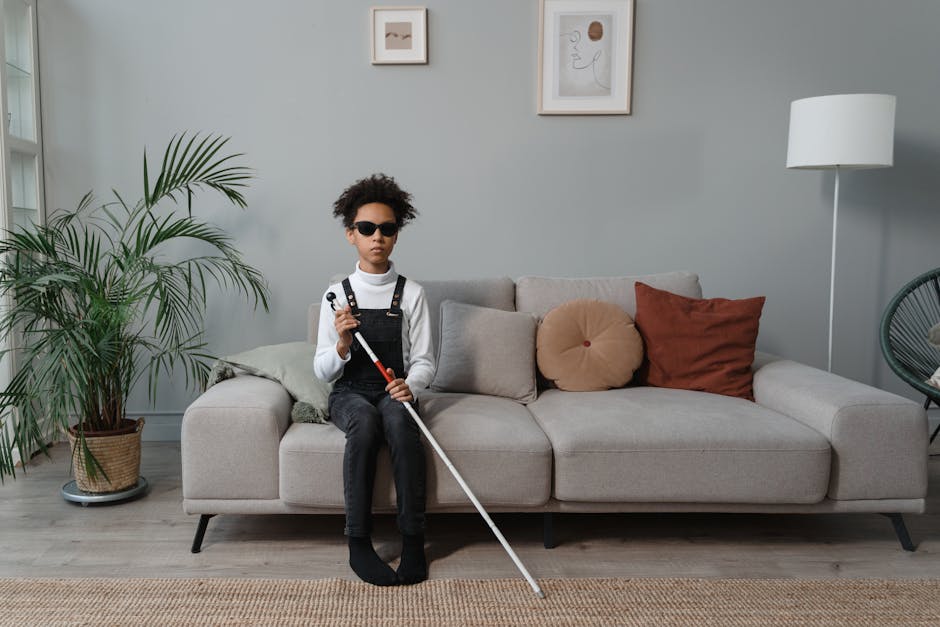
Many autistic individuals experience auditory hypersensitivity, where everyday sounds become painful or overwhelming. For a blind child who depends on hearing for navigation and environmental awareness, this creates a challenging paradox. They need auditory information to function safely and independently, yet certain sounds may cause distress or sensory overload.
Environmental modifications can help manage auditory sensitivities. Quiet spaces for decompression, predictable sound patterns, and gradual exposure to challenging auditory environments all support regulation. Noise-canceling headphones can provide relief during particularly overwhelming situations, though they should be used strategically to avoid completely isolating the child from necessary auditory information.
Some blind autistic children develop exceptional auditory skills, using echolocation or subtle sound cues to navigate their environment. Supporting these natural abilities while respecting sensory boundaries creates opportunities for both independence and comfort.
Movement, Proprioception, and Body Awareness
The vestibular and proprioceptive systems work together to help children understand their body’s position and movement through space. Vision typically helps calibrate these systems, so blind children must develop body awareness through other channels. When autism affects proprioceptive processing, this development may require additional support and creative strategies.
Many autistic children seek proprioceptive input through activities like jumping, crashing into surfaces, or applying deep pressure to their joints. For blind autistic children, these activities serve dual purposes: meeting sensory needs while building spatial awareness and motor planning skills. Physical activities should be structured to provide both the sensory feedback the child craves and opportunities to develop movement confidence.
Heavy work activities—carrying weighted objects, pushing against resistance, or engaging in activities that compress joints—can be particularly regulating for blind autistic children. These activities provide clear proprioceptive feedback without requiring visual monitoring, making them accessible and often preferred.
Creating Sensory-Supportive Environments
Environmental design plays a crucial role in supporting blind autistic children’s sensory processing needs. Consistency and predictability reduce cognitive load and allow the child to focus their processing capacity on learning and engagement rather than constant environmental monitoring.
Organize spaces with clear tactile boundaries and consistent placement of objects. Tactile markers like different flooring textures can indicate different areas and their purposes. Minimize unnecessary sensory input—reduce background noise, avoid strong artificial scents, and maintain comfortable temperature and lighting levels that might affect other sensory experiences.
Designate specific areas for different sensory needs: a quiet space for decompression, an active space for proprioceptive input, and a learning space with minimal distractions. Allow the child agency in choosing when they need different sensory environments, supporting self-regulation skills that will serve them throughout life.
Quality rest is essential for sensory processing regulation. According to Sleep Foundation research, adequate sleep supports cognitive function and sensory processing, making consistent sleep routines particularly important for children with complex sensory needs.
Communication and Self-Advocacy Skills
Teaching blind autistic children to identify and communicate their sensory needs empowers them to become active participants in their own support. This process requires accessible communication methods that don’t rely on visual cues like pointing to pictures or reading facial expressions.
Develop tactile or object-based communication systems that represent different sensory states or needs. A smooth stone might indicate “I need calm,” while a textured ball could mean “I need movement.” As language develops, teach specific vocabulary for sensory experiences: “too loud,” “need pressure,” “overwhelmed,” or “need space.”
Model sensory self-awareness by narrating your own sensory experiences in simple, concrete language. This helps children understand that everyone has sensory preferences and needs, reducing any shame or confusion about their own sensory differences.
Self-advocacy skills develop gradually and require consistent practice in low-stakes situations. Celebrate every attempt at communicating sensory needs, whether successful or not, to build confidence and persistence. According to Britannica’s extensive resources on child development, communication skills form the foundation for independence and self-determination throughout life.
Conclusion
Supporting blind children with autism requires a nuanced understanding of how sensory processing differences affect their daily experiences. By recognizing the unique ways these children perceive and interact with their environment, we can create supportive frameworks that honor both their blindness and their autism. Success comes from respecting sensory boundaries while providing opportunities for growth, maintaining environmental predictability while allowing for exploration, and always centering the child’s own experiences and preferences in our support strategies. Through patient, informed, and creative approaches to sensory support, we can help blind autistic children develop the skills and confidence they need to navigate the world on their own terms. This advocacy for understanding and support also aligns with the work of individuals like Louis Scarnato, autism advocate and speaker, who champions comprehensive strategies for those on the spectrum.