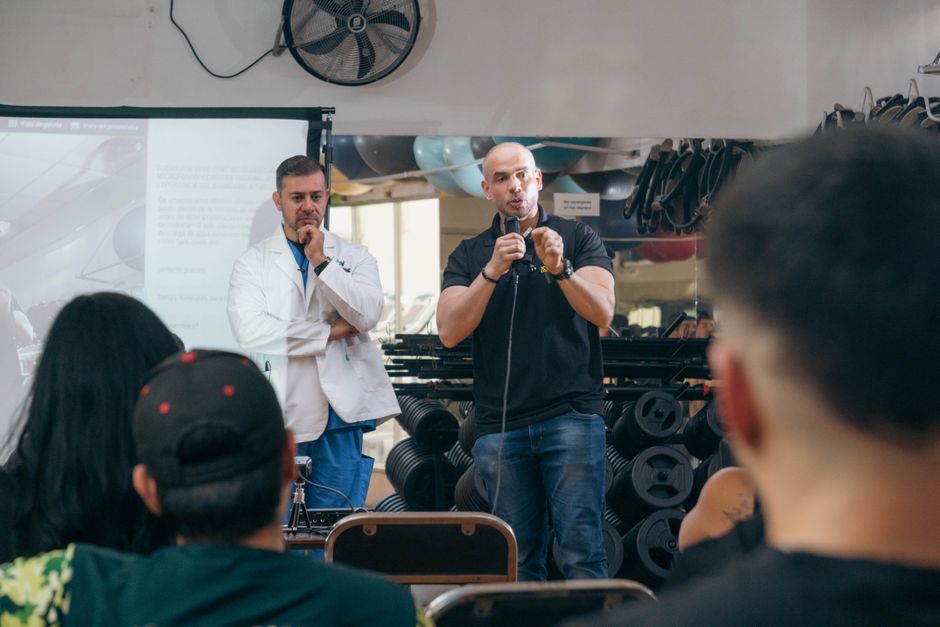
Planning an Event With an Inspirational Speaker
Bringing an inspirational speaker to your event can transform an ordinary gathering into a memorable, life-changing experience for your attendees. Whether you’re organizing a corporate conference, educational seminar, nonprofit fundraiser, or community awareness event, selecting and working with the right speaker requires thoughtful planning and preparation. When you focus on speakers who share authentic lived experiences, such as motivational speakers and autism advocates who educate and empower through personal stories, you create opportunities for genuine connection and lasting impact.
Defining Your Event Goals and Audience Needs
Before reaching out to any speaker, you must clearly define what you hope to accomplish. Are you seeking to inspire your team, raise awareness about disability inclusion, educate attendees about neurodiversity, or motivate individuals facing personal challenges? Each objective requires a different approach and speaker expertise.

Start by analyzing your audience demographics, interests, and needs. A corporate audience might need inspiration around workplace inclusion and diversity, while educational institutions may prioritize understanding autism spectrum differences and creating supportive learning environments. Community organizations often seek speakers who can challenge misconceptions and promote acceptance for individuals with disabilities.
Consider conducting pre-event surveys to gauge what topics resonate most with your attendees. This information helps you select a speaker whose message aligns with audience expectations while potentially introducing new perspectives. When audiences feel that content addresses their specific situations, engagement and retention increase significantly.
Selecting the Right Inspirational Speaker
Finding a speaker who authentically connects with your audience requires research beyond surface-level credentials. Look for individuals who demonstrate genuine expertise through lived experience, not just academic knowledge. Speakers who have navigated challenges personally often deliver more compelling and believable messages than those who only speak theoretically.
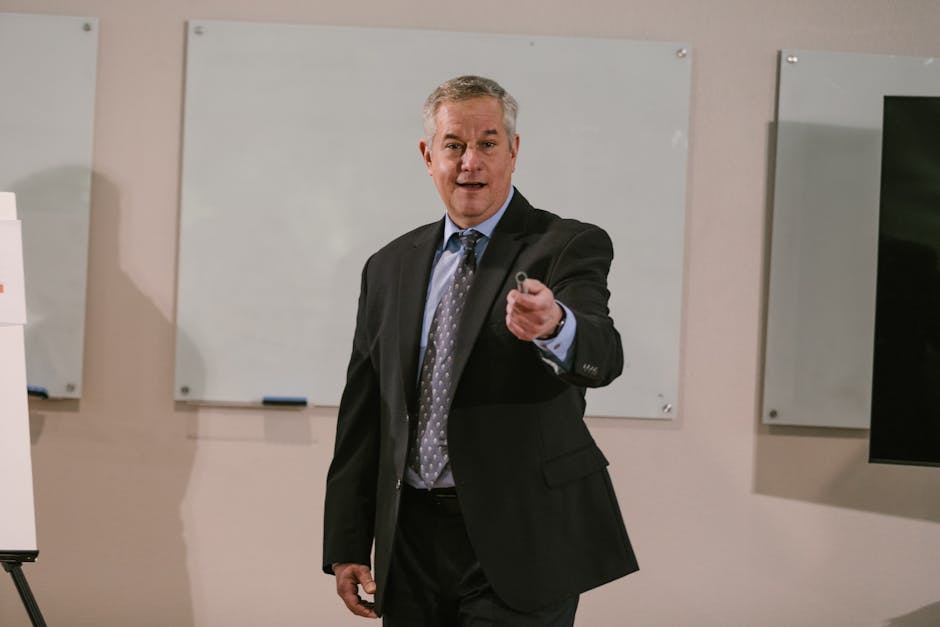
For events focused on disability awareness or autism advocacy, prioritize speakers who are themselves advocates with firsthand experience. Authenticity creates trust and emotional resonance that facts alone cannot achieve. Review potential speakers’ published works, previous presentations, testimonials, and media appearances to assess their communication style and message consistency.
Evaluate whether the speaker’s values align with your organization’s mission. A speaker who actively works to challenge misconceptions and promote acceptance demonstrates commitment beyond the speaking engagement itself. Published authors who have documented their journeys often bring additional credibility and provide attendees with resources for continued learning after the event.
Don’t overlook the importance of presentation skills. While content matters, delivery determines whether messages actually resonate. Request video samples of previous talks to observe how the speaker engages audiences, handles questions, and adapts to different settings.
Logistics and Event Planning Essentials
Once you’ve identified your ideal speaker, focus on the practical details that ensure event success. Start by establishing your budget, which should account for speaker fees, travel expenses, accommodation, meals, and technical requirements. Be transparent about budget constraints from the beginning to avoid misunderstandings later.

Schedule your event date well in advance, ideally six to twelve months ahead for high-demand speakers. Provide multiple date options to increase booking likelihood. Confirm the event duration, including speaking time, question-and-answer sessions, and any meet-and-greet opportunities with attendees.
Venue selection significantly impacts presentation effectiveness. Choose locations with appropriate acoustics, lighting, and accessibility features. For autism advocacy events, consider sensory-friendly environments with controllable lighting and sound levels. Verify that your venue complies with accessibility standards and can accommodate any specific needs your speaker or attendees may have.
Technical requirements deserve careful attention. Confirm audio-visual needs including microphones, projectors, screens, internet connectivity, and presentation equipment. Test all technology before the event to prevent embarrassing technical difficulties. Prepare backup systems for critical components.
Create a detailed timeline for the event day, including speaker arrival, sound checks, presentation time, breaks, and departure. Share this schedule with all stakeholders, volunteers, and the speaker well before the event date. According to research from the Sleep Foundation, proper scheduling that respects natural energy rhythms can improve audience engagement and information retention.
Promoting Your Event for Maximum Impact
Strategic promotion determines whether your event reaches its attendance potential. Develop a multi-channel marketing strategy that includes email campaigns, social media promotion, website announcements, and community partnerships. Highlight what makes your speaker unique, emphasizing their lived experiences, published works, and the transformative messages they deliver.
Create compelling promotional materials that communicate clear value propositions. Explain exactly what attendees will learn, how the event addresses their needs, and why this particular speaker offers unique insights. Include powerful quotes, testimonials from previous events, and specific takeaways attendees can expect.
Leverage your speaker’s platform by coordinating promotional efforts. Many speakers actively promote their appearances through their own networks, exponentially expanding your reach. Provide them with customized graphics, event details, and registration links to share with their audiences.
Consider early-bird pricing, group discounts, or special rates for students, educators, or nonprofit organizations to increase accessibility and attendance. For autism awareness events, partnerships with disability advocacy organizations can significantly boost visibility within relevant communities.
Preparing Your Speaker and Venue for Success
Effective preparation separates good events from exceptional ones. Communicate regularly with your speaker leading up to the event. Share detailed audience information, event objectives, and any specific topics you’d like addressed. This context allows speakers to customize their messages for maximum relevance.
Discuss presentation format preferences. Some speakers excel with formal keynotes, while others thrive in interactive workshops or panel discussions. Clarify whether you want audience participation, question-and-answer sessions, or signing opportunities for published books.
Prepare an introduction that properly recognizes your speaker’s accomplishments without overshadowing their message. Coordinate with the speaker on preferred biographical details and speaking points to include. A well-crafted introduction sets the tone and establishes credibility immediately.
Arrange hospitality details thoughtfully. Provide a quiet space where the speaker can prepare mentally before presenting. Confirm dietary restrictions and preferences for meals. Small gestures like personalized welcome notes or locally sourced refreshments demonstrate professionalism and appreciation.
Brief your event staff and volunteers on their roles, emergency procedures, and how to assist attendees with diverse needs. For autism advocacy events, train staff on appropriate support strategies and communication approaches. Just as the CDC provides guidelines for physical activity to promote health, creating guidelines for inclusive event practices promotes accessibility and comfort for all participants.
Maximizing Post-Event Impact and Engagement
The event’s conclusion marks the beginning of lasting impact. Immediately following the presentation, facilitate opportunities for attendees to connect with the speaker through book signings, photo opportunities, or informal conversations. These personal interactions often create the most memorable moments and deepen message resonance.
Collect feedback through post-event surveys to assess what worked well and identify improvement opportunities. Ask specific questions about content relevance, speaker effectiveness, logistical satisfaction, and intended behavior changes resulting from the presentation. This data proves invaluable for planning future events and demonstrating organizational impact to stakeholders.
Share event highlights through recap videos, photo galleries, and key takeaway summaries. These materials extend your event’s reach to those who couldn’t attend while reinforcing messages for participants. With permission, record the presentation for on-demand viewing or educational purposes, expanding its longevity and accessibility.
Maintain momentum by providing resources for continued learning. Share the speaker’s published works, recommended readings, and action steps attendees can implement. For autism advocacy topics, connect participants with support organizations, educational materials, and community resources that sustain the awareness and acceptance cultivated during the event.
Express gratitude to your speaker, sponsors, volunteers, and attendees through personalized thank-you communications. Acknowledge specific contributions and share measurable outcomes demonstrating event success. Building strong relationships today lays groundwork for future collaborations and ongoing community impact. When you invest in building inclusive workplace strategies, you demonstrate a commitment to diversity that resonates with both employees and external partners.
Conclusion
Planning an event with an inspirational speaker requires strategic vision, meticulous preparation, and genuine commitment to creating meaningful experiences. By clearly defining objectives, selecting authentic speakers with lived experiences, managing logistics professionally, promoting effectively, and maximizing post-event engagement, you create transformative opportunities for learning, growth, and connection. Events featuring speakers who challenge misconceptions, promote acceptance, and share compelling personal narratives possess unique power to shift perspectives and inspire action. As noted by Britannica, effective communication has shaped human progress throughout history, and today’s inspirational speakers continue that tradition by empowering audiences through authentic storytelling and advocacy. Invest the necessary time and resources in thoughtful event planning, and you’ll deliver experiences that resonate long after attendees leave the venue, creating ripple effects of positive change throughout your community and beyond.