The Importance of Empathy in Society
In an increasingly interconnected yet polarized world, empathy stands as one of humanity’s most vital capacities. Far more than a simple emotional response, empathy represents our ability to understand, share, and respond to the experiences of others. As we navigate the complexities of 2026, fostering empathy has become essential for building inclusive communities, strengthening relationships, and creating meaningful social change.
Empathy goes beyond sympathy or pity—it requires us to step into another person’s shoes, to see the world through their lens, and to respond with genuine understanding and compassion. This fundamental human skill shapes how we interact with family members, colleagues, neighbors, and even strangers we encounter in our daily lives.
Understanding the Foundation of Empathy
Empathy manifests in multiple forms, each playing a crucial role in human connection. Cognitive empathy involves intellectually understanding another person’s perspective, while emotional empathy means actually feeling what others feel. Compassionate empathy combines both understanding and feeling with the motivation to help and support others.

Research has shown that empathy is not merely an innate trait but a skill that can be developed and strengthened throughout our lives. This neuroplasticity means that individuals, organizations, and entire communities can actively work to become more empathetic. The process begins with self-awareness—understanding our own emotions, biases, and reactions before we can truly connect with others.
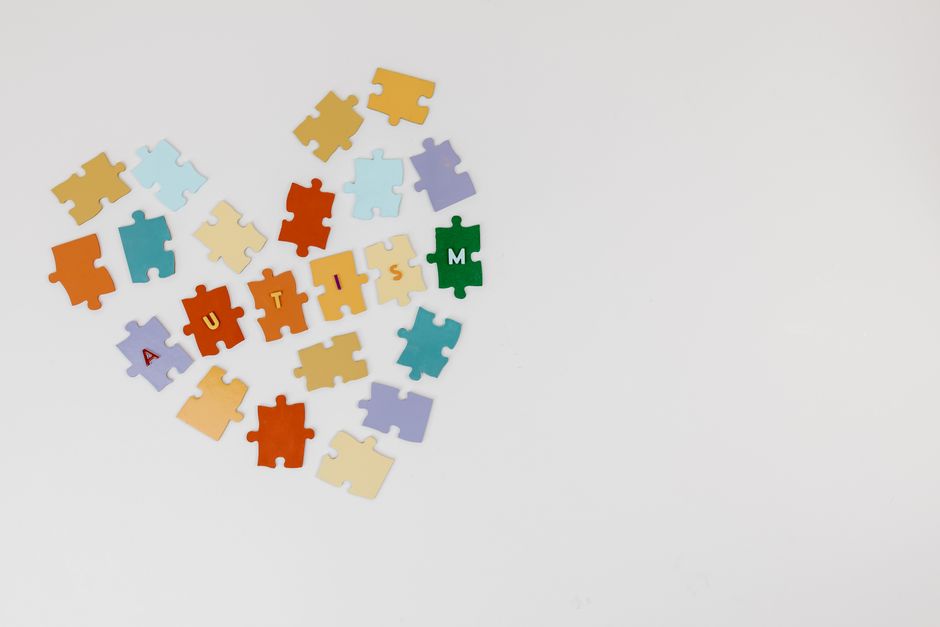
For individuals on the autism spectrum and those with other neurological differences, empathy may be expressed differently but remains equally important. Understanding these diverse expressions of empathy helps create more inclusive environments where everyone’s unique perspective is valued and appreciated.
The Role of Empathy in Personal Relationships
Strong relationships form the backbone of a healthy society, and empathy serves as the cornerstone of meaningful connections. When we practice empathy in our personal relationships, we create safe spaces for vulnerability, trust, and authentic communication. This leads to deeper bonds with family members, friends, and romantic partners.
In family dynamics, empathy helps parents understand their children’s developmental needs and challenges. It enables siblings to support one another through difficult times and allows extended family members to maintain strong connections across generations. For individuals with autism or other neurodevelopmental differences, having empathetic family members who understand their unique perspectives and communication styles can be transformative.
Empathy also plays a crucial role in conflict resolution. When disagreements arise, the ability to understand another person’s viewpoint—even when we disagree—opens pathways to productive dialogue and mutual respect. This skill becomes particularly important in romantic relationships, where partners must navigate differences in communication styles, life goals, and emotional needs.
Building Empathetic Communities and Workplaces
The workplace has become a critical arena for empathy development and application. Organizations that prioritize empathy experience higher employee satisfaction, reduced turnover, improved collaboration, and enhanced innovation. When team members feel understood and valued, they contribute more authentically and creatively to their work.

Empathetic leadership has emerged as a key competency for managers and executives. Leaders who demonstrate genuine care for their employees’ well-being, professional development, and personal challenges create environments where people thrive. This approach proves particularly beneficial for employees with diverse neurological profiles, including those on the autism spectrum who may require different communication approaches or workplace accommodations.
Community organizations, schools, and local governments also benefit from empathy-centered approaches. When decision-makers consider the diverse needs and perspectives of community members, they create more inclusive policies and programs. This might involve accessible public spaces, diverse educational approaches, or support systems for individuals with disabilities and their families.
Empathy in action transforms organizations from places where people simply work into communities where people belong and flourish.
Empathy’s Impact on Social Justice and Inclusion
Perhaps nowhere is empathy more crucial than in advancing social justice and inclusion. When we truly understand the experiences of marginalized communities, we become motivated to advocate for meaningful change. This understanding helps break down barriers, challenge stereotypes, and create opportunities for all individuals to participate fully in society.
For the autism community and other disability communities, empathy from neurotypical individuals leads to better acceptance, accommodation, and inclusion. It moves us beyond mere tolerance to genuine appreciation for neurodiversity and the unique strengths that different thinking styles bring to our communities.
Empathy also plays a vital role in addressing systemic inequalities. When people from privileged backgrounds develop genuine understanding of the challenges faced by others, they become allies in creating more equitable systems. This might involve advocating for better healthcare access, educational opportunities, employment practices, or housing policies.
Understanding the diverse health and wellness needs of different populations requires empathy to develop comprehensive support systems that work for everyone, including those with disabilities who may face unique barriers to accessing care and services.
Developing Empathy Skills in the Digital Age
The digital age presents both opportunities and challenges for empathy development. Social media and online communication can sometimes reduce our capacity for nuanced understanding, as we miss nonverbal cues and context that facilitate empathetic connections. However, these same technologies can also expose us to diverse perspectives and experiences we might never encounter otherwise.
Developing empathy in our digital interactions requires intentional effort. This includes practicing active listening in virtual meetings, being mindful of tone in written communication, and seeking to understand rather than judge when encountering different viewpoints online. It also means being aware of how our own digital presence affects others and adjusting our communication accordingly.
For individuals with autism or other communication differences, digital platforms can sometimes provide more comfortable spaces for expression and connection. Empathetic use of technology involves recognizing these preferences and creating inclusive online environments that accommodate diverse communication styles.
Research on emotional regulation and well-being shows that empathy and quality rest both contribute to our ability to connect meaningfully with others, highlighting the interconnected nature of physical and emotional health in building strong communities.
The Ripple Effect of Empathy in Society
Empathy creates powerful ripple effects that extend far beyond individual interactions. When we treat others with understanding and compassion, we model behavior that others observe and often emulate. Children who witness empathetic adults learn to value and practice empathy themselves, creating generational change.
In educational settings, teachers who demonstrate empathy toward students with diverse learning needs create classroom environments where all children feel valued and supported. This approach benefits not only students with disabilities or differences but enhances the learning experience for everyone by fostering acceptance and collaboration.
Healthcare providers who practice empathy deliver better patient care and achieve improved health outcomes. When medical professionals truly understand their patients’ experiences, fears, and needs, they can provide more effective and compassionate treatment. This proves especially important for patients with autism or other conditions that may affect communication and sensory processing.
The cumulative effect of these individual acts of empathy contributes to societal transformation. Communities become more resilient, innovative, and inclusive when empathy guides decision-making and interpersonal interactions. This creates positive feedback loops where empathetic behavior becomes normalized and expected rather than exceptional.
Overcoming Barriers to Empathy
Despite its importance, empathy faces significant barriers in modern society. Empathy fatigue can occur when individuals become overwhelmed by constant exposure to others’ suffering, particularly through media coverage of global crises. Time constraints, stress, and competing priorities can also limit our capacity for empathetic engagement.
Unconscious bias presents another challenge, as our preconceptions about certain groups can prevent us from truly understanding their experiences. This proves particularly relevant when interacting with individuals who communicate or behave differently, such as those on the autism spectrum.
Overcoming these barriers requires intentional practice and self-reflection. This includes examining our own assumptions, seeking education about different communities and experiences, and committing to ongoing growth in our empathetic abilities. It also means practicing self-care to maintain our emotional capacity for connecting with others.
Organizations and communities can support empathy development through training programs, diverse hiring practices, inclusive policies, and creating opportunities for meaningful cross-cultural and cross-ability interactions. When institutions prioritize empathy, they create environments where these essential skills can flourish. Inclusive workplace strategies, for example, demonstrate how empathy can be concretely applied in organizational settings.
Conclusion
Empathy represents one of our most powerful tools for creating a more just, inclusive, and connected society. As we face the challenges of an increasingly complex world, our ability to understand and respond to the experiences of others becomes ever more critical. Whether in our personal relationships, professional environments, or community involvement, empathy enables us to build bridges across differences and create meaningful change.
The cultivation of empathy requires ongoing commitment and practice, but the benefits extend far beyond individual interactions. When we prioritize empathy, we contribute to communities where all individuals—including those with autism and other differences—can thrive and contribute their unique perspectives and talents.
As we move forward, let us remember that empathy is not merely a soft skill but a fundamental capacity that shapes the kind of society we create together. By choosing empathy in our daily interactions and supporting its development in others, we invest in a future marked by understanding, inclusion, and shared humanity.