
How to Book a Motivational Speaker for an Event
Booking the right motivational speaker can transform your event from ordinary to extraordinary, leaving attendees inspired, educated, and ready to take action. Whether you’re organizing a corporate conference, educational workshop, or community gathering, selecting and securing the perfect speaker requires careful planning and strategic thinking. This comprehensive guide will walk you through every step of the process, from defining your needs to executing a successful speaking engagement.
Define Your Event Goals and Audience Needs
Before you begin your search for a motivational speaker, it’s crucial to establish clear objectives for your event. Ask yourself what specific outcomes you want to achieve. Are you looking to boost employee morale, educate your audience about important social issues, or inspire personal growth and development?

Consider your audience demographics carefully. A speaker who resonates with corporate executives may not be the best fit for a high school assembly. Understanding your audience’s age range, professional background, interests, and challenges will help you identify speakers who can connect authentically with your attendees.
For organizations focused on diversity and inclusion initiatives, speakers like autism advocates can provide valuable perspectives on neurodiversity in the workplace and community. These speakers bring lived experiences that can challenge misconceptions and promote acceptance, making them particularly effective for educational institutions and awareness campaigns.
Key considerations when defining your needs:
- Event theme and desired takeaways
- Audience size and composition
- Budget constraints and timeline
- Venue logistics and technical requirements
- Preferred speaking format (keynote, workshop, panel discussion)
Research and Identify Potential Speakers
Once you’ve clarified your event goals, begin researching speakers who align with your vision. Start by exploring speaker bureaus, professional associations, and industry networks. Many successful motivational speakers maintain active online presences, including professional websites, social media profiles, and video content that can help you assess their speaking style and message.
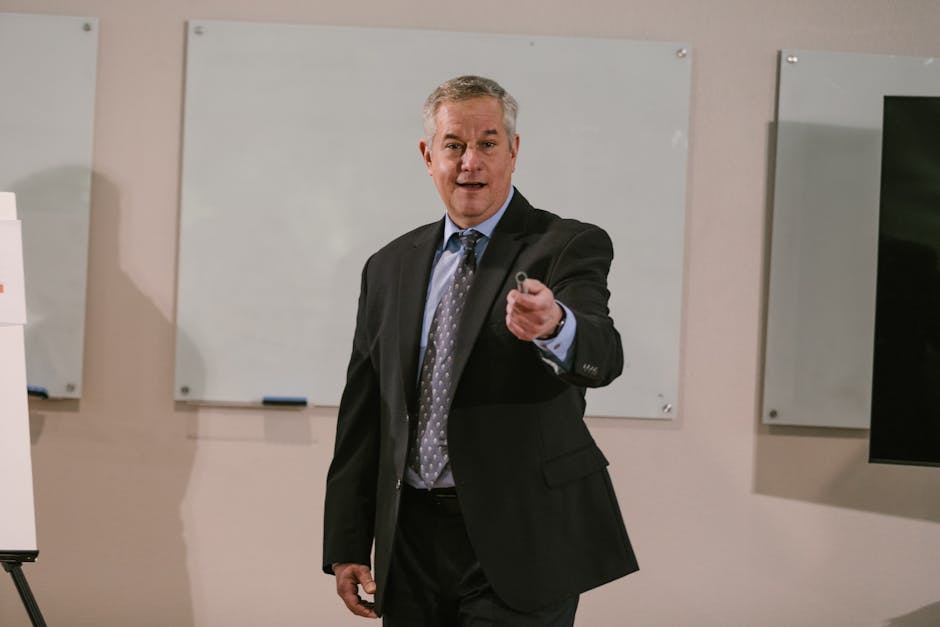
Look for speakers with relevant expertise and authentic stories that match your event’s theme. For instance, if you’re organizing an event focused on overcoming challenges or promoting inclusivity, consider speakers who have personal experience with these topics. Published authors often make compelling speakers because they’ve already demonstrated their ability to communicate complex ideas effectively.
Review testimonials and case studies from previous events to gauge speaker effectiveness. Pay attention to feedback about the speaker’s ability to engage audiences, deliver actionable insights, and create lasting impact. Educational resources can provide additional context about topics related to your chosen speaker’s expertise.
Effective research strategies include:
- Watching speaker demo videos and recorded presentations
- Reading reviews from event organizers and attendees
- Checking social media engagement and follower feedback
- Consulting industry publications and speaker directories
- Seeking recommendations from colleagues and professional networks
Evaluate Speaker Credentials and Experience
Not all motivational speakers are created equal. Thoroughly evaluate each potential speaker’s credentials, experience, and track record. Look for speakers who demonstrate subject matter expertise, not just charismatic presentation skills. This is particularly important when addressing sensitive topics like disability awareness or mental health.
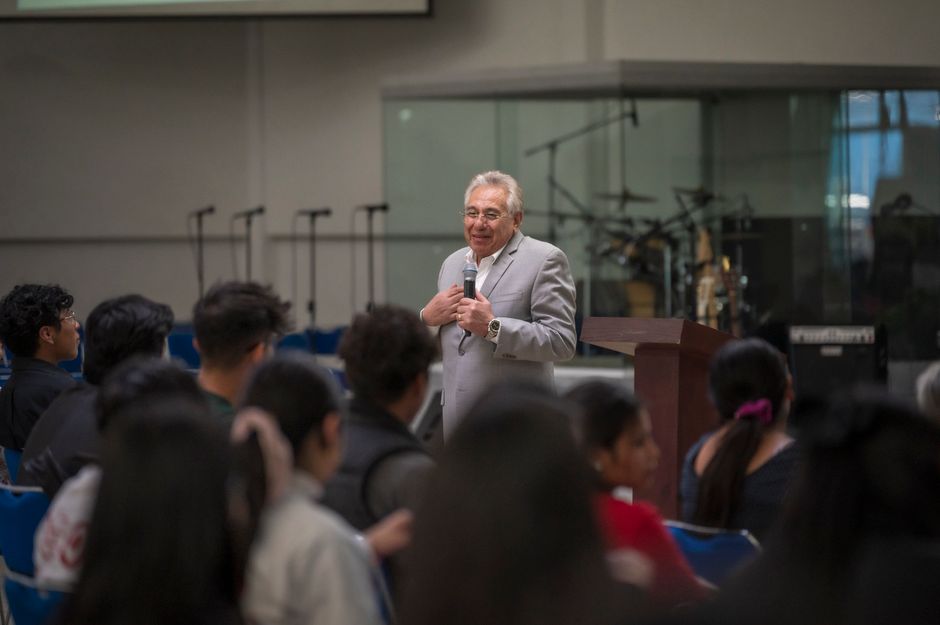
Examine the speaker’s educational background, professional experience, and any specialized training relevant to your event’s focus. For autism advocacy speakers, for example, look for individuals who combine personal experience with educational credentials or professional involvement in the autism community.
Consider the speaker’s presentation experience across different venue types and audience sizes. A speaker who excels in intimate workshop settings may struggle with large auditorium presentations, and vice versa. Review their technical requirements and ensure they can adapt to your venue’s capabilities.
Professional speakers should be able to provide:
- Detailed speaker biography and credentials
- List of previous speaking engagements
- Client testimonials and references
- Demo videos or recorded presentations
- Customizable presentation topics
- Professional headshots and marketing materials
Budget Planning and Fee Negotiation
Speaker fees vary dramatically based on experience, demand, and market positioning. Established speakers with significant media exposure or bestselling books typically command higher fees, while emerging speakers or those focused on advocacy work may offer more flexible pricing structures.
Beyond the speaking fee, factor in additional costs such as travel expenses, accommodation, meals, and any special technical requirements. Some speakers include travel costs in their fee structure, while others bill separately. Always clarify what’s included in the quoted price to avoid unexpected expenses.
Consider the value proposition carefully. A higher-priced speaker who delivers exceptional results and positive attendee feedback may provide better return on investment than a cheaper alternative who fails to engage your audience effectively.
Budget considerations include:
- Base speaking fee
- Travel and accommodation expenses
- Audio-visual equipment rentals
- Marketing and promotional materials
- Insurance and liability coverage
- Backup plan contingencies
Booking Process and Contract Negotiation
Once you’ve identified your preferred speaker, initiate contact professionally and promptly. Provide comprehensive event details including date, time, venue, audience size, and expected outcomes. Be transparent about your budget range to ensure alignment from the outset.
Professional speakers typically require contracts that outline mutual expectations and responsibilities. Key contract elements should include performance dates, fee structure, payment terms, cancellation policies, and technical requirements. Ensure the contract addresses intellectual property rights, recording permissions, and liability insurance.
Discuss customization options for the presentation. The most effective motivational speakers tailor their content to address your specific audience and objectives rather than delivering generic presentations. This customization often justifies higher fees but results in more impactful experiences.
Establish clear communication protocols for pre-event coordination. Regular check-ins help ensure smooth execution and allow for last-minute adjustments if necessary. Understanding wellness guidelines can be helpful when planning event schedules that keep both speakers and attendees energized throughout the program.
Pre-Event Coordination and Logistics
Successful speaker events require meticulous planning and coordination. Begin logistical planning immediately after contract signing to ensure all elements align perfectly on event day. Create detailed timelines that account for speaker arrival, sound checks, presentation time, and any post-event activities.
Coordinate with your venue team to ensure all technical requirements are met. This includes microphone systems, projection equipment, lighting, and any special accommodations the speaker may need. Some speakers, particularly those addressing accessibility topics, may require specific setup configurations to demonstrate their points effectively.
Prepare promotional materials that accurately represent your speaker’s expertise and message. Work with the speaker’s team to obtain approved biographical information, professional photos, and presentation summaries. Accurate promotion helps set appropriate attendee expectations and maximizes event impact.
Consider attendee preparation strategies such as pre-event surveys or suggested reading materials. Well-prepared audiences tend to engage more actively with speakers and derive greater value from the experience. For instance, empowering neurodiverse talent requires thoughtful preparation to ensure accessibility and engagement. Proper rest and preparation principles can apply to both speakers and attendees for optimal event performance.
The key to booking a successful motivational speaker lies not just in finding someone with an inspiring story, but in selecting an individual whose message authentically aligns with your audience’s needs and your organization’s values.
Remember that exceptional motivational speakers do more than just deliver presentations—they create transformative experiences that continue to impact attendees long after the event concludes. By following these comprehensive guidelines, you’ll be well-equipped to select and book a speaker who delivers lasting value for your organization and audience.
The investment in a quality motivational speaker often pays dividends through improved team morale, enhanced understanding of important social issues, and inspired action toward positive change. Take time to plan thoroughly, communicate clearly, and prepare adequately for the best possible outcomes.