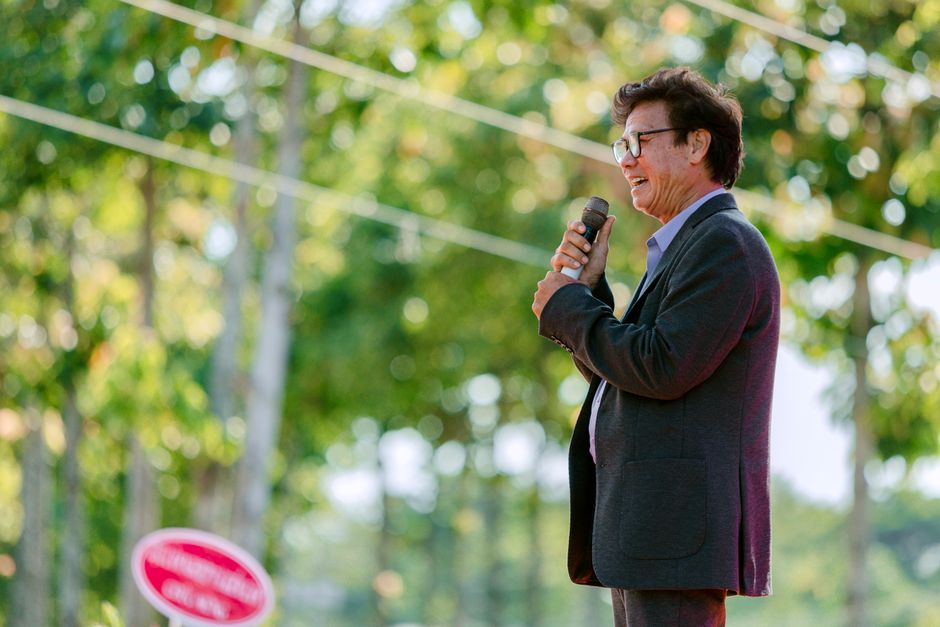
Autism Motivational Speaker: Inspiring Change Through Lived Experience
In an era where authentic representation matters more than ever, autism motivational speakers are transforming how we understand neurodiversity in workplaces, schools, and communities. Louis Scarantino stands at the forefront of this movement, using his personal journey on the autism spectrum to educate audiences, challenge deeply-rooted misconceptions, and empower individuals to embrace neurodivergent perspectives. As both a motivational speaker and published author, Louis brings a unique combination of vulnerability, insight, and practical wisdom that resonates with diverse audiences seeking authentic disability awareness education.
The power of hearing from someone who has lived the experience cannot be overstated. When individuals and organizations engage with an autism advocate who speaks from personal knowledge rather than clinical observation, the impact creates lasting change in attitudes, policies, and interpersonal relationships. This comprehensive guide explores what makes autism motivational speaking effective, how it benefits various audiences, and why authentic voices like Louis Scarantino’s are essential for creating genuinely inclusive environments.
The Unique Impact of an Autism Advocate Speaking from Experience
Traditional disability awareness training often relies on clinical perspectives or secondhand accounts. While valuable, these approaches lack the emotional resonance and practical insights that come from someone who navigates life on the autism spectrum daily. Louis Scarantino’s approach centers on lived experience, offering audiences an insider’s perspective on the challenges, strengths, and daily realities of being autistic in a neurotypical world.

This experiential authority transforms abstract concepts into tangible understanding. When Louis shares how sensory sensitivities affect workplace productivity or how communication differences can be strengths rather than deficits, listeners gain insights impossible to convey through statistics alone. His presentations bridge the gap between academic knowledge and human understanding, creating the empathy necessary for meaningful inclusion.
Research consistently shows that direct contact with individuals from marginalized groups reduces prejudice and increases acceptance. When an autism motivational speaker shares personal stories, audiences develop nuanced understanding that goes beyond stereotypes. They learn that autism exists on a spectrum, that each individual’s experience is unique, and that accommodations benefit everyone by creating more flexible, understanding environments.
Educational Institutions: Creating Autism-Friendly Learning Environments
Schools, colleges, and universities increasingly recognize that neurodivergent students bring valuable perspectives to academic communities. However, educators often lack practical knowledge about supporting autistic learners effectively. An autism motivational speaker provides educators with concrete strategies while fostering institutional culture change.

Louis Scarantino’s presentations for educational institutions address multiple stakeholders. Teachers learn about communication strategies that help autistic students thrive. Administrators gain insights into policy modifications that create genuinely inclusive campuses. Most importantly, students—both neurotypical and neurodivergent—develop understanding and empathy that transform peer relationships and classroom dynamics.
These presentations go beyond disability compliance to explore how neurodiversity enriches learning communities. When students understand that their autistic classmates process information differently but equally validly, collaboration improves and social isolation decreases. Educational settings that embrace this perspective prepare all students for diverse workplaces and communities they’ll encounter after graduation.
Schools focusing on holistic student wellness often integrate multiple aspects of health education. According to the CDC’s physical activity guidelines, regular movement benefits mental health and cognitive function for all students, including those on the autism spectrum. Understanding how sensory processing differences affect participation helps educators create truly inclusive physical education programs.
Corporate and Organizational Benefits of Autism Awareness Training
Forward-thinking organizations recognize that diversity includes neurodiversity. Companies that actively recruit and support autistic employees access unique talents: pattern recognition, attention to detail, innovative problem-solving, and specialized knowledge. However, realizing these benefits requires organizational culture that understands and accommodates neurological differences.

When organizations engage an autism motivational speaker for professional development, they invest in competitive advantage. Louis Scarantino’s corporate presentations address practical workplace scenarios: how to conduct interviews that reveal autistic candidates’ strengths, modifications to onboarding processes, communication strategies that work across neurological differences, and how to create sensory-friendly workspaces.
These sessions benefit all employees, not just those who are autistic. Flexible communication styles, clear expectations, and sensory-conscious office design improve workplace satisfaction and productivity for everyone. Organizations that implement inclusive workplace strategies for neurodiversity often discover they’ve created healthier work environments that reduce stress and burnout across their workforce.
The business case extends beyond talent acquisition. Companies with strong diversity programs, including neurodiversity initiatives, demonstrate better innovation metrics and stronger employee retention. When team members understand and value different thinking styles, collaborative problem-solving improves and creative solutions emerge.
Conferences and Public Events: Spreading Autism Acceptance Broadly
Large-scale events offer unique opportunities for autism advocates to reach diverse audiences simultaneously. Conference keynotes, panel discussions, and breakout sessions featuring autism motivational speakers create ripple effects as attendees carry insights back to their communities and organizations.
Louis Scarantino’s conference presentations challenge audiences to examine their assumptions about disability, capability, and normalcy. These high-impact sessions combine personal narrative with practical takeaways, ensuring that inspiration translates into action. Attendees leave with specific strategies they can implement immediately, whether in their professional roles, community involvement, or personal relationships.
Public speaking engagements also contribute to broader cultural shifts. When respected conferences feature autistic speakers as experts rather than subjects, they normalize neurodivergent voices in leadership and thought leadership roles. This visibility matters profoundly for young people on the spectrum who need role models demonstrating that autism doesn’t limit potential.
The storytelling element of motivational speaking creates memorable learning experiences. While factual information about autism spectrum disorder can be found through resources like Britannica, hearing those facts woven into personal narrative creates emotional connections that drive lasting attitude change. Inspirational stories of resilience stick in memory where statistics fade.
Supporting Individual Growth and Self-Advocacy Skills
Beyond organizational audiences, autism motivational speakers provide invaluable support for individuals on the spectrum and their families. Hearing from someone who has navigated similar challenges offers hope, validation, and practical strategies. Louis Scarantino’s work includes resources that help autistic individuals developing self-advocacy skills essential for navigating education, employment, and relationships.
His published books extend his speaking impact, providing ongoing resources that readers can reference repeatedly. Written from authentic experience, these materials offer guidance that clinical resources cannot—the nuanced, practical wisdom of someone who understands the challenges from the inside. Families benefit from understanding their loved ones’ perspectives more deeply, leading to stronger relationships and more effective support.
Self-advocacy training empowers autistic individuals to communicate their needs clearly, request reasonable accommodations, and educate others about their experiences. When delivered by someone who has developed these skills through personal necessity, the teaching carries credibility and practical applicability that theoretical instruction lacks.
The emphasis on holistic wellbeing in these presentations includes discussing how various factors affect autistic individuals. For instance, quality rest significantly impacts emotional regulation and sensory processing. Resources like the Sleep Foundation provide evidence-based guidance on sleep health that complements broader wellness strategies for neurodivergent individuals.
Choosing the Right Autism Motivational Speaker for Your Audience
Organizations seeking autism awareness training should prioritize speakers with genuine lived experience. Authenticity creates the connection necessary for transformative learning. When evaluating potential speakers, consider their presentation style, the specific topics they address, and how their message aligns with your organizational goals.
Louis Scarantino’s approach combines vulnerability with professionalism, making complex topics accessible without oversimplifying. His presentations adapt to audience needs—whether addressing medical professionals, corporate teams, educators, or general audiences—while maintaining focus on practical application and actionable insights.
Effective autism motivational speakers balance inspiration with education. They celebrate autistic strengths while honestly addressing challenges. They promote acceptance without diminishing the real support needs many autistic individuals have. This nuanced approach prevents both inspiration-only messaging that lacks substance and deficit-focused presentations that reinforce negative stereotypes.
References from previous engagements provide insight into a speaker’s impact. Organizations should look for evidence that presentations lead to measurable change: policy modifications, improved accommodation processes, increased neurodivergent hiring, or enhanced workplace satisfaction scores.
Conclusion: The Transformative Power of Authentic Autism Advocacy
The movement toward genuine neurodiversity inclusion requires voices like Louis Scarantino’s—authentic, experienced, and committed to both challenge and inspiration. An autism motivational speaker offers something no clinical training or theoretical knowledge can provide: the irreplaceable perspective of lived experience combined with the communication skills to translate that experience into understanding and action.
Whether your organization seeks to create more inclusive hiring practices, your school wants to better support neurodivergent students, or your conference needs keynote content that inspires meaningful change, engaging an autism advocate who speaks from experience creates lasting impact. The investment in quality autism awareness training pays dividends in organizational culture, individual relationships, and broader societal acceptance.
As we move forward into 2026 and beyond, the voices of autistic self-advocates will continue shaping how we understand disability, diversity, and human potential. By choosing to learn from those who live the experience daily, we create more inclusive, understanding, and ultimately more successful communities and organizations. Louis Scarantino’s work exemplifies the power of turning personal challenges into opportunities for widespread education and empowerment, proving that the most effective advocates are often those who have walked the path themselves. As Louis demonstrates, it’s possible to be overcoming challenges with a positive mindset, inspiring countless others.