Inspirational Stories of Resilience: Lessons From Those Who Overcame
In a world that constantly tests our strength, resilience emerges as the defining quality that separates those who thrive from those who merely survive. Inspirational stories of resilience remind us that within every challenge lies an opportunity for growth, transformation, and profound human triumph. As we navigate through 2026, these narratives of perseverance continue to illuminate paths forward for countless individuals facing their own adversities.
Resilience is not simply about bouncing back from hardship—it’s about evolving through it, finding purpose within struggle, and emerging with a deeper understanding of one’s capabilities. The stories that follow demonstrate the extraordinary power of the human spirit when confronted with seemingly insurmountable obstacles.
The Power of Embracing Neurodiversity
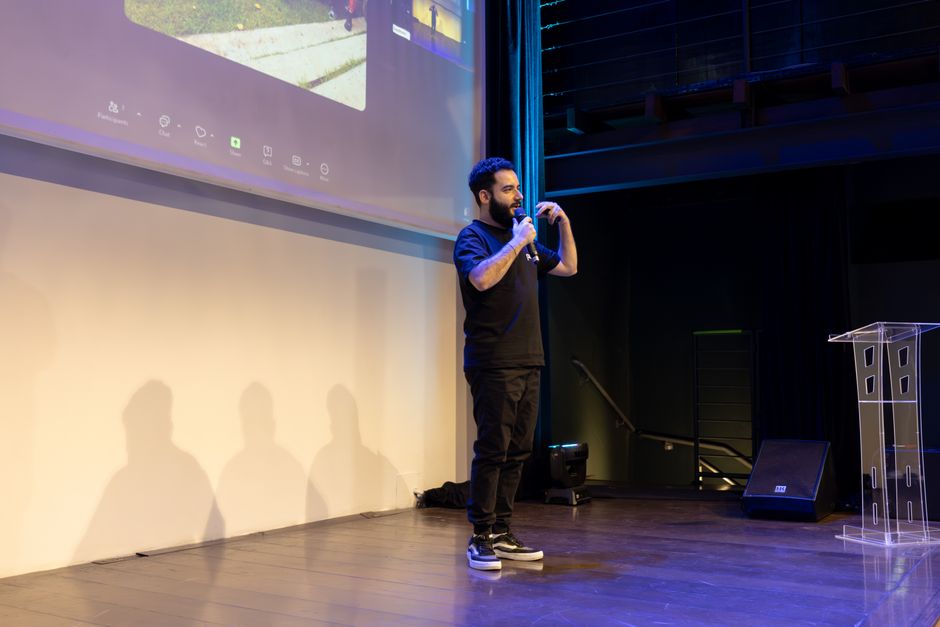
One of the most compelling areas of resilience in our modern era centers on individuals who have transformed their challenges with neurodiversity into platforms for advocacy and empowerment. Louis Scarantino represents a powerful example of this journey. As a motivational speaker and autism advocate, he has turned his lived experiences on the autism spectrum into a mission that educates and inspires audiences worldwide.

Scarantino’s work challenges the fundamental misconceptions that society holds about autism and disability. Rather than viewing his neurological differences as limitations, he has harnessed them as unique perspectives that offer valuable insights into human diversity and potential. Through his speeches and published works, he demonstrates that what society often labels as a deficit can become a source of strength, creativity, and profound contribution.
His journey highlights a critical truth about resilience: it often requires reframing our narrative. Instead of asking “Why did this happen to me?” resilient individuals ask “How can I use this experience to create meaning and help others?” This shift in perspective transforms victims into advocates and struggles into stepping stones.
Physical Wellness as Foundation for Mental Resilience
Many stories of remarkable resilience share a common thread—the recognition that physical and mental health are inextricably linked. According to the CDC’s physical activity guidelines, regular exercise not only strengthens the body but significantly enhances mental resilience, reducing symptoms of depression and anxiety while improving cognitive function.
Resilient individuals understand that maintaining physical wellness creates a foundation that supports emotional and psychological strength during difficult times. This doesn’t mean achieving athletic perfection; rather, it involves establishing sustainable habits that nourish both body and mind. Whether through walking, yoga, adaptive sports, or other movement practices, physical activity becomes a cornerstone of resilience-building.
Sleep, too, plays a crucial role in resilience. Research from the Sleep Foundation consistently demonstrates that adequate rest is essential for emotional regulation, decision-making, and stress management. Many individuals who have overcome significant adversity credit improved sleep hygiene as a turning point in their recovery journey, recognizing that rest is not a luxury but a necessity for resilience.
Turning Adversity Into Advocacy
The most powerful inspirational stories often feature individuals who transform their personal pain into platforms for change. This phenomenon extends beyond individual triumph to create ripple effects that benefit entire communities. When someone shares their story of overcoming addiction, abuse, discrimination, or disability, they offer more than inspiration—they provide roadmaps for others navigating similar terrain.

Advocacy born from adversity carries unique authenticity. Those who speak from lived experience bring credibility and compassion that cannot be replicated through academic study alone. Organizations seeking to create meaningful change increasingly recognize the value of voices like those of disability advocates, mental health champions, and individuals who have overcome trauma. These speakers don’t just tell stories; they bridge understanding and dismantle barriers through genuine human connection.
Educational institutions, conferences, and corporate environments benefit tremendously from exposure to these narratives. When students hear from someone who has navigated challenges similar to their own, it validates their experiences and expands their sense of what’s possible. When organizations invest in understanding diverse experiences, they create cultures of inclusion that strengthen everyone involved.
The Role of Community in Building Resilience
While individual strength matters, few truly inspirational stories of resilience unfold in isolation. Community support—whether from family, friends, mentors, support groups, or professional networks—provides the scaffolding upon which resilience is built. The myth of the entirely self-made person crumbles when we examine authentic stories of overcoming adversity.
Communities that embrace inclusive workplace strategies for neurodiversity create environments where resilience can flourish. When schools implement inclusive practices, when workplaces accommodate diverse needs, when public spaces become accessible to all—these structural changes amplify individual resilience by removing unnecessary barriers and affirming human worth beyond narrow definitions of “normal.”
Support networks also provide crucial perspective during dark moments. When someone facing challenges can connect with others who have walked similar paths, isolation transforms into solidarity. This connection reminds struggling individuals that their experiences, while deeply personal, are also part of broader human patterns of challenge and triumph.
Redefining Success Through Resilience
Inspirational stories of resilience often challenge conventional definitions of success. According to Britannica, the concept of success has evolved throughout history, reflecting changing cultural values and priorities. Today’s most compelling resilience narratives frequently reframe success not as the absence of failure or struggle, but as the courage to continue despite them.
This redefinition is particularly relevant for individuals navigating disabilities, chronic conditions, or neurodiversity. Traditional metrics of achievement may not capture their profound accomplishments. The person who learns to develop self-advocacy skills for autistic individuals demonstrates extraordinary success. The individual who maintains hope through repeated setbacks exhibits remarkable strength. The speaker who shares vulnerable truths to help others achieves impact that transcends conventional measures.
When we expand our understanding of what constitutes success, we create space for more people to recognize their own resilience. We begin to celebrate progress over perfection, growth over outcomes, and persistence over immediate results. This broader perspective doesn’t lower standards—it deepens our appreciation for the diverse forms human excellence can take.
Practical Lessons from Stories of Resilience
Inspirational stories carry practical wisdom that anyone can apply to their own challenges. First, resilient individuals practice self-compassion. They recognize that struggling doesn’t indicate weakness and that setbacks are inevitable parts of growth. This self-compassion creates psychological safety that allows for risk-taking and recovery.
Second, resilient people cultivate purpose beyond their immediate circumstances. Whether through advocacy, creative expression, service to others, or pursuit of meaningful goals, they anchor themselves to something larger than their current struggle. Purpose provides motivation during difficult moments and creates continuity when everything else feels uncertain.
Third, those who demonstrate extraordinary resilience overcome challenges with a positive mindset. They learn to modify approaches when initial strategies fail, to seek alternative paths when primary routes close, and to find opportunities within limitations. This flexibility doesn’t mean abandoning goals—it means remaining committed to outcomes while staying open to unexpected methods.
Finally, resilient individuals invest in ongoing learning and growth. They read, attend workshops, seek mentorship, and continuously expand their understanding of themselves and their challenges. This commitment to growth ensures that experiences translate into wisdom rather than merely accumulating as scars.
Conclusion: Your Story of Resilience Matters
Every person carries within them stories of resilience, whether acknowledged or not. The obstacles you’ve overcome, the challenges you’ve navigated, the moments you chose to continue despite every reason to quit—these constitute your resilience narrative. Recognizing this truth doesn’t diminish the inspiring stories of others; rather, it connects you to the universal human capacity for perseverance and growth.
As we move forward in 2026 and beyond, the world needs more voices willing to share their journeys authentically. Organizations need speakers who can bridge understanding and inspire action. Communities need advocates who challenge misconceptions and promote acceptance. Individuals need reminders that they, too, possess the strength to overcome whatever challenges lie ahead.
Whether you’re seeking inspiration for your own journey, looking to bring powerful messages to your organization, or hoping to create more inclusive environments that recognize diverse experiences—the stories of resilience around us offer guidance, hope, and practical wisdom. Planning an event with an inspirational speaker can highlight these narratives, reminding us that our greatest limitations often become our most profound contributions, and that the courage to persist transforms not only individual lives but entire communities.