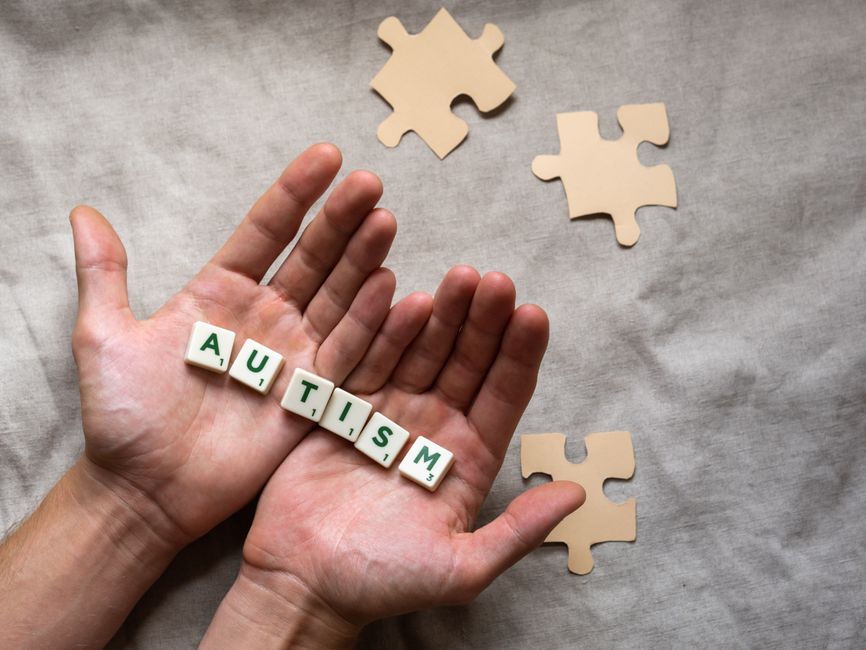
Autism Acceptance Presentations That Transform
Creating meaningful change in how society perceives and supports individuals on the autism spectrum requires more than awareness—it demands genuine acceptance. Autism acceptance presentations have emerged as powerful tools for educating audiences, challenging misconceptions, and fostering inclusive environments across schools, workplaces, and communities. These presentations, particularly when delivered by autistic advocates sharing their lived experiences, create authentic connections that statistics and clinical descriptions alone cannot achieve.
As we move through 2026, the conversation around autism has evolved significantly. Organizations and institutions are actively seeking speakers who can provide firsthand insights into the autistic experience while offering practical strategies for creating supportive environments. Louis Scarantino, a motivational speaker and autism advocate, represents this new generation of educators who combine personal narrative with actionable guidance to inspire lasting change.
Understanding the Core Purpose of Autism Acceptance Presentations
Autism acceptance presentations serve multiple essential functions in today’s educational and corporate landscapes. Unlike traditional awareness campaigns that simply acknowledge autism exists, acceptance-focused presentations dig deeper into understanding neurodiversity as a natural variation of human experience rather than a deficit to be corrected.

These presentations aim to dismantle harmful stereotypes that have long plagued the autism community. Many people still hold outdated beliefs about what autistic individuals can or cannot achieve, often based on incomplete information or media portrayals. Through authentic storytelling and education, skilled presenters help audiences recognize the strengths, challenges, and unique perspectives that autistic individuals bring to every environment they inhabit.
The most effective presentations create emotional resonance while providing practical takeaways. Audiences leave not only with increased empathy but also with concrete strategies for creating accommodations, improving communication, and building truly inclusive spaces. This dual approach—combining heart and action—distinguishes acceptance presentations from purely informational sessions.
Key Components of Impactful Autism Advocacy Speaking
Successful autism acceptance presentations share several critical elements that maximize their impact. First and foremost, authenticity forms the foundation. When speakers share their own lived experiences—the challenges they’ve faced, the misunderstandings they’ve encountered, and the triumphs they’ve achieved—audiences connect on a human level that transcends clinical definitions.

Personal narrative provides context that helps neurotypical individuals understand sensory sensitivities, communication differences, and social navigation from an insider’s perspective. For example, explaining how fluorescent lighting or crowded spaces physically affect an autistic person creates far more understanding than simply listing sensory processing differences as a characteristic.
Effective presentations also incorporate educational content grounded in current research and understanding. This includes explaining the spectrum nature of autism, discussing the importance of presuming competence, and addressing common myths. Presenters often cover topics such as stimming behaviors, the double empathy problem, and the harmful impacts of trying to make autistic individuals appear “normal.”
Interactive elements strengthen engagement and retention. Q&A sessions, scenario discussions, and opportunities for audience members to reflect on their own assumptions create active learning experiences. Many presenters also provide resource lists, reading recommendations, and follow-up materials to extend learning beyond the presentation itself.
Benefits for Educational Institutions and Workplaces
Schools and universities that host autism acceptance presentations invest in creating environments where neurodivergent students can thrive. Educators who understand autism beyond surface-level knowledge can better support students’ individual learning needs, recognize when accommodations might help, and foster peer acceptance that reduces bullying and social isolation.

These presentations help school staff recognize that behavioral challenges often stem from environmental factors or communication difficulties rather than willful defiance. This shift in understanding leads to more compassionate, effective approaches to supporting autistic students. Teachers learn to appreciate different learning styles and communication methods, creating classrooms where neurodivergent students feel valued rather than merely tolerated.
Corporate settings benefit equally from autism acceptance training. As workplaces become more diverse and companies recognize the value of neurodivergent talent, understanding how to create inclusive work environments becomes a competitive advantage. Presentations help managers understand reasonable accommodations, improve communication strategies, and recognize the unique strengths autistic employees bring to teams.
Many autistic individuals possess exceptional abilities in pattern recognition, attention to detail, systematic thinking, and sustained focus—skills highly valuable across numerous industries. When workplace cultures shift from trying to “fix” differences to leveraging diverse thinking styles, everyone benefits from increased innovation and problem-solving capacity.
Practical Strategies Presenters Share for Creating Acceptance
Autism acceptance presentations typically provide audiences with actionable strategies they can implement immediately. Communication modifications form a crucial component—speakers explain the benefits of direct, literal language and the importance of checking for understanding rather than assuming neurotypical communication norms work for everyone.
Environmental accommodations receive significant attention. Presenters discuss how simple changes like offering quiet spaces, providing advance notice of schedule changes, and allowing fidget tools can dramatically improve autistic individuals’ comfort and productivity. These modifications often benefit many people beyond those on the autism spectrum, creating universally more accessible environments.
Speakers emphasize the importance of asking individuals about their specific needs rather than making assumptions based on diagnosis alone. The spectrum is truly vast, and what helps one autistic person may differ completely from what another needs. Teaching audiences to approach each person as an individual with unique preferences and requirements represents a fundamental principle of genuine acceptance.
Self-care and well-being strategies also feature prominently in many presentations. Understanding the importance of adequate rest, as research from Sleep Foundation indicates, and physical activity, as outlined in CDC physical activity guidelines, helps create holistic support systems. Presenters often discuss how stress, sensory overload, and masking behaviors impact autistic individuals’ overall health and functioning.
Choosing the Right Speaker for Your Organization
Selecting an autism acceptance presenter requires consideration of several factors. First, prioritize autistic speakers when possible—nothing beats lived experience for authentic insight. While allies play important supporting roles, the principle “nothing about us without us” has become central to disability advocacy for good reason.
Evaluate speakers’ presentation styles and content to ensure alignment with your audience’s needs. Some presentations work better for general audiences seeking basic understanding, while others suit professional development contexts requiring more detailed implementation strategies. Review testimonials, previous engagement feedback, and sample content when available.
Consider the speaker’s approach to autism. Those promoting acceptance and neurodiversity perspectives differ significantly from presenters focused primarily on deficits or “overcoming” autism. According to Britannica, neurodiversity recognizes neurological differences as natural variations rather than disorders, a philosophy that should guide your selection process.
Ask about customization options. The best presenters tailor content to specific audiences and organizational goals rather than delivering identical presentations regardless of context. Whether addressing elementary educators, corporate leadership teams, or community organizations, effective speakers adapt their approach while maintaining core acceptance principles.
Measuring Impact and Creating Lasting Change
The true value of autism acceptance presentations extends far beyond the presentation itself. Organizations should implement follow-up mechanisms to reinforce learning and track behavioral changes over time. Pre- and post-presentation surveys can measure shifts in knowledge, attitudes, and confidence in supporting autistic individuals.
Creating action plans based on presentation content helps translate inspiration into concrete changes. Form implementation teams, establish accountability measures, and set specific goals for improving accessibility and inclusion. Regular check-ins ensure momentum doesn’t fade once the immediate impact of the presentation passes.
Many organizations benefit from ongoing relationships with autism advocates who can provide consultation as questions arise during implementation. Louis Scarantino and similar advocates often offer follow-up resources, additional training sessions, and continued support to organizations committed to meaningful change.
Success stories should be documented and shared to inspire continued progress and demonstrate the real-world impact of acceptance-focused approaches. When autistic individuals thrive in your environment—academically, professionally, or socially—their success validates the investment in understanding and accommodation.
Conclusion
Autism acceptance presentations represent powerful catalysts for creating more inclusive, understanding communities. By combining authentic lived experiences with practical strategies and evidence-based education, skilled presenters like Louis Scarantino help audiences move beyond superficial awareness to genuine acceptance and support. Whether your organization is an educational institution, corporate entity, or community group, investing in quality autism advocacy presentations demonstrates commitment to diversity, equity, and inclusion while providing tools for meaningful, lasting change. The transformation begins with understanding, but it flourishes through acceptance—and that journey often starts with a single, powerful presentation that opens hearts and minds to new perspectives.