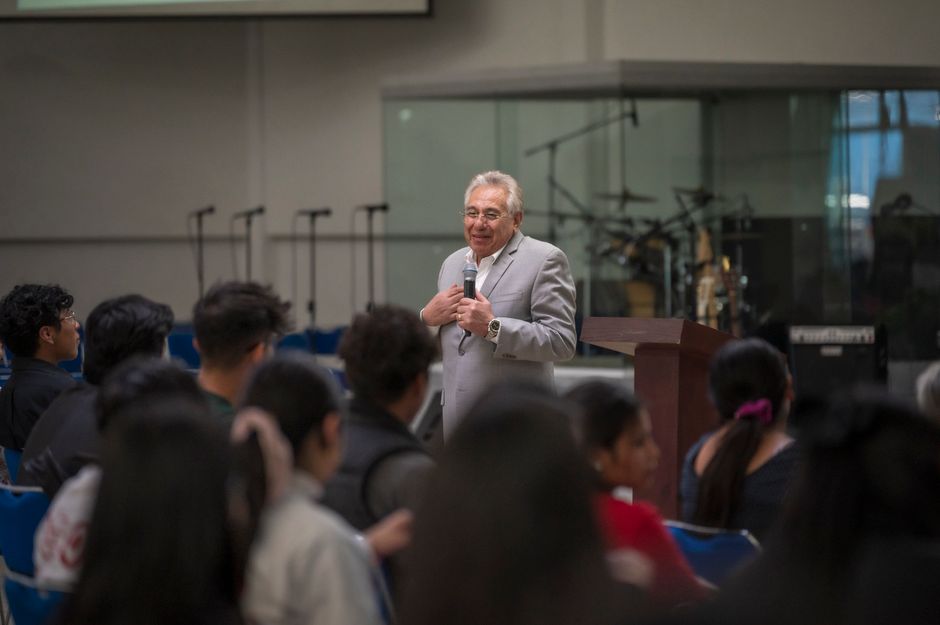
How Lived Experience Speakers Inspire Change
In a world where understanding and acceptance are more crucial than ever, lived experience speakers stand as powerful catalysts for transformation. These individuals, who have navigated unique challenges and triumphs, bring authenticity and insight that traditional educational approaches simply cannot match. Their stories don’t just inform—they ignite empathy, challenge preconceptions, and create lasting change in communities, organizations, and individuals alike.
The impact of lived experience speakers extends far beyond the stage or podium. When someone like Louis Scarantino shares his journey as an individual on the autism spectrum, he doesn’t merely present facts and statistics. Instead, he offers audiences a window into a world they may never have understood, breaking down barriers of misunderstanding and fear while building bridges of compassion and acceptance.
The Authentic Voice That Commands Attention
Lived experience speakers possess an invaluable asset that no textbook or research paper can replicate: authentic personal narrative. Their credibility stems not from academic credentials alone, but from the profound truth of their experiences. This authenticity creates an immediate connection with audiences, fostering an environment where real learning and transformation can occur.

When audiences hear directly from someone who has lived through specific challenges, the message carries weight that theoretical knowledge cannot match. The speaker’s vulnerability and honesty create a safe space for listeners to examine their own assumptions and biases. This emotional connection is crucial for inspiring genuine change, as it moves beyond intellectual understanding to create meaningful, lasting impact.
The power of authenticity also lies in its ability to humanize complex issues. Abstract concepts become tangible realities when filtered through personal experience. Whether discussing autism, mental health, disability, or other lived experiences, these speakers transform statistics into stories, making the unfamiliar accessible and the misunderstood relatable.
Breaking Down Barriers and Challenging Misconceptions
One of the most significant contributions of lived experience speakers is their ability to dismantle harmful stereotypes and misconceptions. Through their personal narratives, they challenge audiences to reconsider preconceived notions and examine the often unconscious biases that shape their interactions with others.

These speakers serve as living contradictions to limiting stereotypes. Their achievements, insights, and contributions demonstrate the vast potential that exists within every individual, regardless of their circumstances or challenges. By sharing their successes alongside their struggles, they paint a complete picture that defies oversimplified assumptions.
The process of challenging misconceptions goes beyond simply correcting false information. Lived experience speakers help audiences understand the complex realities behind labels and diagnoses. They reveal the person behind the condition, showing that identity encompasses far more than any single characteristic or challenge.
Moreover, these speakers often address the gap between perception and reality, highlighting how external assumptions can differ dramatically from internal experiences. This revelation can be particularly powerful for professionals working in healthcare, education, or social services, as it enhances their ability to provide more effective and compassionate support.
Creating Ripple Effects of Understanding
The impact of lived experience speakers extends far beyond their immediate audiences. Each presentation creates ripple effects that spread through communities, organizations, and personal networks. Attendees often become advocates themselves, sharing newfound understanding with colleagues, friends, and family members.

These ripple effects are particularly powerful in educational settings, where teachers, administrators, and students carry lessons learned into their daily interactions. A single presentation about autism advocacy, for instance, can transform how an entire school approaches inclusion and support for neurodivergent students.
In workplace environments, lived experience speakers can catalyze significant cultural shifts. Their presentations often lead to improved policies, better accommodation practices, and more inclusive hiring processes. Organizations that invest in this type of education frequently see improvements in employee satisfaction, retention, and overall workplace culture.
The digital age has amplified these ripple effects exponentially. Social media and online platforms allow audience members to share insights and reflections, extending the reach of lived experience speakers far beyond physical venues. This expanded reach means that a single presentation can ultimately influence thousands of individuals who never attended the original event.
Practical Strategies for Organizational Change
Effective lived experience speakers don’t just share their stories—they provide practical guidance for creating meaningful change. They understand that inspiration without action remains incomplete, so they equip their audiences with concrete strategies and tools for implementation.
Many speakers offer specific recommendations for policy changes, accommodation strategies, and inclusive practices. They help organizations identify areas for improvement and provide roadmaps for creating more welcoming environments. This practical approach ensures that the emotional impact of their presentations translates into tangible organizational improvements.
Training programs developed by lived experience speakers often include interactive elements that allow participants to practice new skills and approaches. Role-playing exercises, case studies, and group discussions help embed learning and build confidence in applying new knowledge. According to the CDC’s guidance on implementing change, hands-on learning approaches significantly improve retention and application of new concepts.
These speakers also emphasize the importance of ongoing education and continuous improvement. They help organizations establish systems for regular training, feedback collection, and policy updates. This sustained approach ensures that initial inspiration develops into lasting cultural transformation.
The Science Behind Emotional Connection and Learning
Research consistently demonstrates that emotional engagement enhances learning and retention. Lived experience speakers naturally tap into this powerful educational principle by creating strong emotional connections with their audiences. Their personal stories activate multiple areas of the brain simultaneously, including regions responsible for emotion, memory, and empathy.
The neurological impact of storytelling has been well-documented by researchers at institutions worldwide. When audiences hear personal narratives, their brains release oxytocin, often called the “empathy hormone,” which enhances social bonding and understanding. This biological response creates optimal conditions for attitude change and behavioral modification.
Studies referenced in Britannica’s exploration of learning science show that information presented through personal narrative is retained significantly longer than abstract data alone. This enhanced retention means that the impact of lived experience speakers can influence behavior and decision-making for months or even years after their presentations.
The combination of cognitive and emotional processing that occurs during these presentations creates what psychologists call “transformative learning experiences.” These experiences don’t just add new information to existing knowledge—they fundamentally alter how individuals perceive and interact with the world around them.
Building Sustainable Communities of Support
Lived experience speakers often serve as catalysts for building sustainable communities of support and advocacy. Their presentations frequently inspire audience members to become more active in creating positive change within their own spheres of influence.
Many speakers facilitate ongoing connections between audience members, creating networks of individuals committed to continued learning and action. These communities provide ongoing support for implementing changes and maintaining momentum long after the initial presentation.
The community-building aspect is particularly important for creating lasting change. Individual inspiration, while powerful, can fade over time without reinforcement and support. By fostering connections between like-minded individuals, lived experience speakers help ensure that their message continues to resonate and evolve within communities.
These communities often become sources of additional education and resources. Members share experiences, challenges, and successes, creating collective wisdom that extends far beyond the original speaker’s message. This collaborative approach to learning and change amplifies the impact of the initial presentation exponentially.
Research on community engagement, including studies noted in the Sleep Foundation’s analysis of social connections, demonstrates that strong social networks enhance individual well-being and increase the likelihood of sustained behavioral change. Lived experience speakers who facilitate these connections contribute to both individual transformation and broader social progress.
Measuring Impact and Creating Accountability
Effective lived experience speakers understand the importance of measuring their impact and creating accountability systems for continued progress. They often work with organizations to establish metrics for success and methods for tracking improvements over time.
These measurement systems might include surveys to assess attitude changes, policy audits to evaluate organizational improvements, or feedback mechanisms to gather ongoing input from affected communities. By establishing clear benchmarks and regular check-ins, speakers help ensure that their presentations lead to sustained change rather than temporary enthusiasm.
The accountability aspect is crucial for maintaining momentum and identifying areas that need additional attention. Many speakers offer follow-up services or ongoing consultation to help organizations navigate challenges and continue their progress toward greater inclusion and understanding.
Long-term impact measurement also helps lived experience speakers refine their approaches and improve their effectiveness. By understanding which messages resonate most strongly and which strategies produce the best results, they can continuously enhance their ability to inspire meaningful change.
Lived experience speakers like Louis Scarantino represent a powerful force for positive transformation in our society. Their unique combination of authenticity, expertise, and practical guidance creates opportunities for genuine understanding and lasting change. By sharing their stories, challenging misconceptions, and providing concrete strategies for improvement, they inspire individuals and organizations to create more inclusive, compassionate communities. Their impact extends far beyond single presentations, creating ripple effects that transform attitudes, policies, and lives for years to come. In a world that often struggles with difference and misunderstanding, these speakers offer hope, guidance, and the promise of a more accepting future for all. To truly foster inclusive environments, organizations must recognize how lived experience speakers inspire change at every level.