Conferences on Neurodiversity and Inclusion
As awareness of neurodiversity continues to grow in 2026, conferences focused on autism, ADHD, and other neurological differences have become essential platforms for education, advocacy, and community building. These gatherings bring together individuals on the spectrum, families, educators, employers, and advocates to share knowledge, challenge misconceptions, and promote meaningful inclusion across all sectors of society.
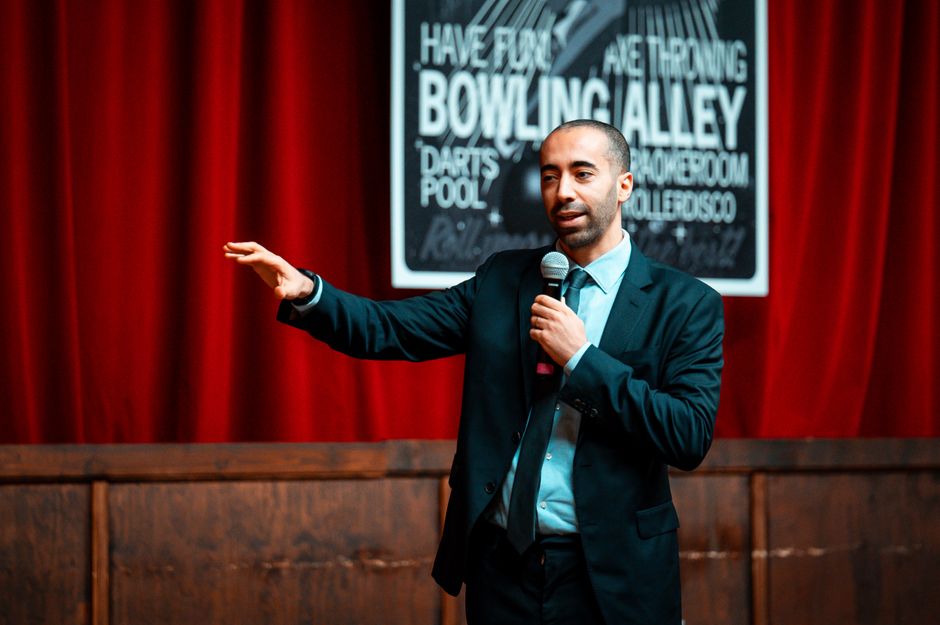
For organizations seeking to create more inclusive environments and individuals wanting to deepen their understanding of neurodiversity, these conferences offer invaluable insights from lived experiences and evidence-based practices. Louis Scarantino, a motivational speaker and autism advocate, represents the growing movement of neurodiverse voices leading these important conversations through keynote presentations and workshops that educate and inspire audiences worldwide. You can learn more about specific resources like Autism Education Resources for Families to further support this journey.
The Growing Importance of Neurodiversity Conferences
Neurodiversity conferences have evolved significantly over the past decade, shifting from primarily clinical or parent-focused events to inclusive gatherings that center the voices of autistic individuals and other neurodiverse people. This transformation reflects a broader cultural shift toward the social model of disability, which recognizes that many challenges faced by neurodiverse individuals stem from environmental barriers rather than inherent deficits.

These conferences serve multiple critical functions in 2026. They provide professional development opportunities for educators and workplace leaders, offer families practical strategies for supporting neurodiverse loved ones, and create spaces where neurodiverse individuals can connect with peers who share similar experiences. The networking opportunities alone make these events invaluable for building supportive communities and professional relationships.
Educational institutions increasingly recognize the value of sending staff to neurodiversity conferences as part of comprehensive professional development programs. When teachers, administrators, and support personnel gain firsthand knowledge from autistic speakers and advocates, they return to their classrooms better equipped to implement inclusive practices that benefit all students. For those interested in impactful presentations, consider exploring Autism Acceptance Presentations That Transform.
Corporate participation has also surged as businesses recognize the competitive advantages of neurodiversity hiring initiatives. Conference sessions on workplace accommodations, interview adaptations, and creating sensory-friendly environments help organizations tap into talented neurodiverse employees who bring unique perspectives and problem-solving approaches.
Key Topics Addressed at Neurodiversity Events
Modern neurodiversity conferences cover an expansive range of topics that reflect the multifaceted nature of supporting and understanding neurological differences. Employment and career development consistently rank among the most attended sessions, as unemployment and underemployment remain significant challenges for autistic adults despite high skill levels in many cases.
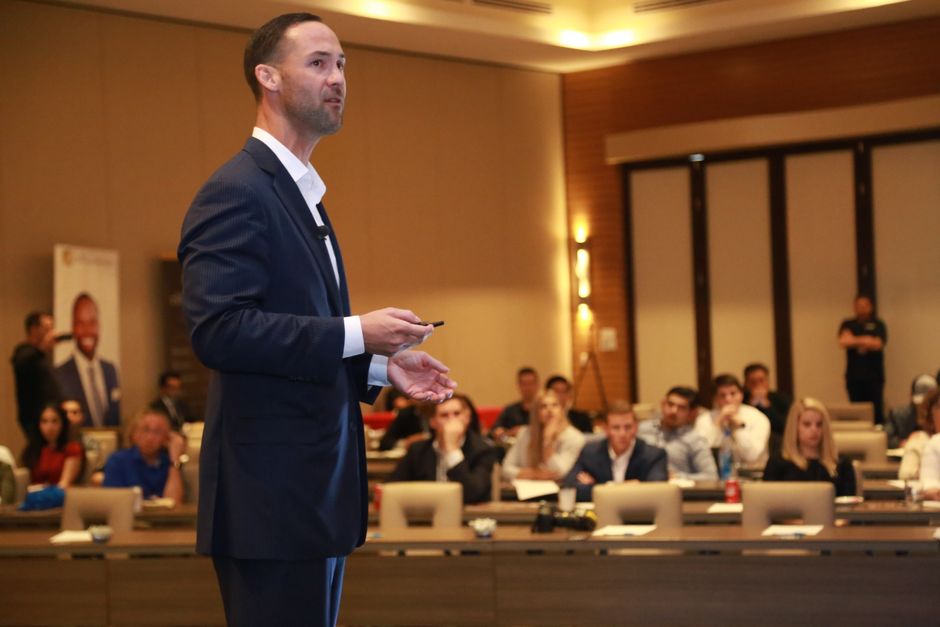
Education-focused sessions explore evidence-based teaching strategies, individualized education program development, and transition planning for students moving from school to adult life. These presentations often feature collaboration between educators and autistic self-advocates, providing balanced perspectives on what works in practice versus theory.
Mental health and wellbeing represent another critical conference focus area. According to CDC physical activity guidelines, regular exercise benefits mental health across all populations, and conferences often explore how to make physical activities more accessible and appealing to neurodiverse individuals who may experience sensory sensitivities or coordination differences.
Healthcare access and communication challenges frequently appear on conference agendas, addressing the reality that many autistic individuals struggle to receive appropriate medical care due to provider misunderstandings or communication barriers. Sessions on advocating within healthcare systems and training medical professionals provide practical tools for improving these interactions.
Technology and assistive devices showcase innovations that support independence, communication, and daily living. From augmentative and alternative communication apps to sensory regulation tools, these exhibitions demonstrate how technology continues to expand possibilities for neurodiverse individuals.
The Role of Lived Experience in Conference Programming
The autism community has long championed the principle of “nothing about us without us,” and contemporary neurodiversity conferences increasingly reflect this value by featuring autistic speakers, panelists, and content creators in prominent roles. Motivational speakers like Louis Scarantino, who share their personal journeys and insights, provide audiences with authentic perspectives that challenge stereotypes and expand understanding. Such insights are crucial for Promoting Neuroinclusive Environments in various settings.
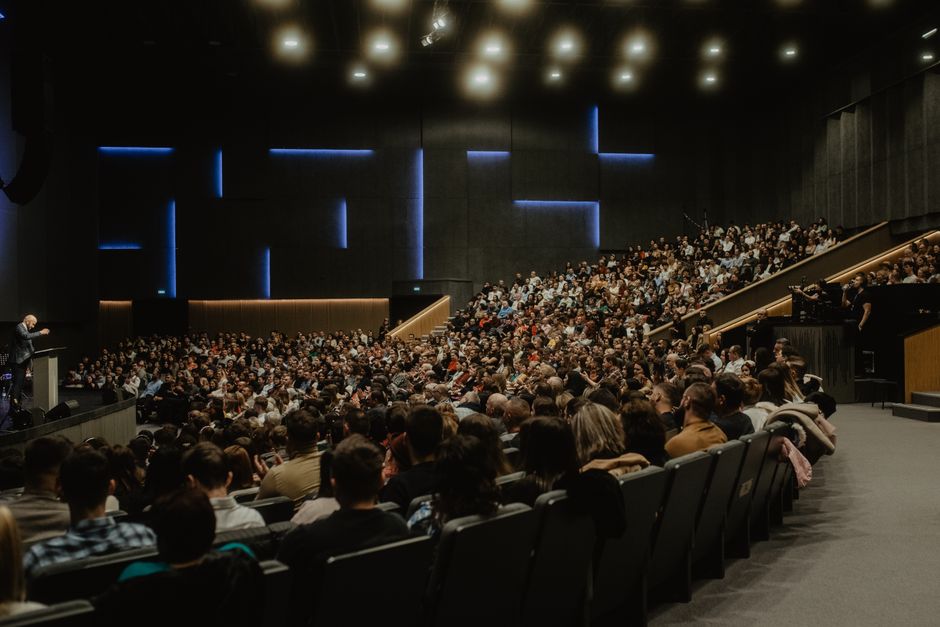
Lived experience presentations offer something that clinical research cannot fully capture: the emotional, social, and practical realities of navigating a world designed primarily for neurotypical people. When an autistic speaker describes strategies they use for managing sensory overload in open-plan offices or explains how they approach social situations, audiences gain actionable insights grounded in real-world application.
These authentic voices also inspire other neurodiverse individuals, particularly young people on the spectrum who may struggle to envision their futures. Seeing successful autistic adults thriving in various careers, relationships, and life paths provides hope and practical roadmaps for personal development.
Published authors within the neurodiversity community bring additional depth through books that conference attendees can engage with before, during, and after events. These resources extend the conference experience beyond a few days, allowing participants to continue learning and reflection long after returning home.
Choosing the Right Conference for Your Needs
With numerous neurodiversity and inclusion conferences occurring throughout the year, selecting the right event requires consideration of your specific goals and interests. Large national or international conferences offer extensive programming with multiple concurrent sessions, providing opportunities to explore diverse topics and network with hundreds or thousands of attendees.
Regional and local conferences typically provide more intimate settings where deeper connections form more easily. These smaller events often focus on specific populations or topics, such as autistic women, employment initiatives, or education-specific challenges. The reduced sensory stimulation at smaller venues may also make them more comfortable for attendees who experience sensory sensitivities.
Virtual and hybrid conference formats have expanded access significantly since their widespread adoption, allowing individuals who face travel barriers, financial constraints, or health considerations to participate. Many conferences now offer both in-person and virtual attendance options, maximizing inclusivity while maintaining the benefits of face-to-face networking for those who can attend physically.
When evaluating conferences, examine the speaker lineup carefully. Events that prominently feature neurodiverse presenters and demonstrate commitment to accessibility typically provide the most valuable and authentic learning experiences. Check whether accommodations like quiet rooms, clear schedules, sensory-friendly spaces, and captioning services are available.
Implementing Conference Learnings in Organizations
Attending neurodiversity conferences represents just the first step toward creating more inclusive environments. The real impact comes from implementing the knowledge, strategies, and perspectives gained at these events within your workplace, school, or community organization.
Organizations should encourage attendees to share key takeaways with colleagues through presentations, written summaries, or informal discussions. Creating action plans with specific, measurable goals helps translate conference inspiration into concrete changes. Whether implementing sensory-friendly interview processes, revising communication protocols, or establishing employee resource groups for neurodiverse staff, focused follow-through maximizes conference value.
Understanding the foundations of health and wellbeing also supports inclusive practices. According to Britannica, education encompasses formal and informal learning processes that shape individuals throughout life, and organizations committed to neurodiversity recognize that ongoing education about neurological differences benefits everyone, not just those directly affected. For further insights, consider exploring Disability Inclusion Workshops for Businesses.
Establishing relationships with neurodiversity advocates and speakers creates opportunities for ongoing consultation and programming. Many motivational speakers and advocates offer follow-up workshops, consulting services, or customized presentations that help organizations deepen their understanding and refine their inclusion practices over time.
Sleep and rest considerations also matter for neurodiverse individuals who may experience different sleep patterns or needs. Sleep Foundation research emphasizes the importance of quality sleep for cognitive function and emotional regulation, factors particularly relevant when supporting neurodiverse students and employees.
Conclusion: Building a More Inclusive Future Through Education
Conferences on neurodiversity and inclusion represent powerful catalysts for social change, bringing together diverse stakeholders committed to creating a world where neurological differences are understood, valued, and accommodated. As we progress through 2026, these events continue evolving to center autistic voices, address emerging challenges, and promote evidence-based practices across education, employment, healthcare, and community life.
Whether you are an individual seeking to understand a neurodiverse family member, an educator looking to improve classroom practices, or an organizational leader committed to diversity and inclusion, neurodiversity conferences offer transformative learning opportunities. The insights shared by motivational speakers and advocates who have lived experiences with autism provide perspectives that research alone cannot capture, challenging misconceptions and inspiring meaningful action.
By attending these conferences, implementing their lessons, and supporting the ongoing work of neurodiversity advocates, we collectively move toward a society that recognizes neurological differences not as deficits to be fixed, but as natural human variations deserving of respect, accommodation, and celebration.